Romantic Industrialization · 1823
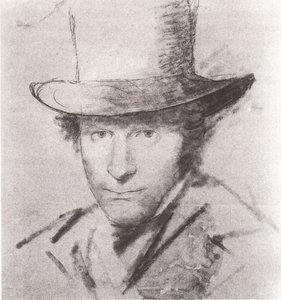
Self-Portrait (Carl Blechen, 1823)
Carl Blechen (1798–1840) on loonud teose Self-Portrait. See on pärinev 1823 aastast. See kuulub Romantic Industrialization suuntrime. Teos on valmistatud materjalist Acrylic. Teos asub Nationalgalerie kogamuses Berliin, Saksamaa. Mõõdud on 26 × 20 cm.
- 1823
- Acrylic
- 26 × 20 cm
- Nationalgalerie, Berliin

 Eelvaade

 Käsitsi maalatud õlimaalatsioon
 Saada
 Jaga
 Teave teose kohta


 Laadi alla
 Sarnased teosed
 Röntgenuuring
 Slaidietendus
 KÜSIMUSED JA VASTUSID

 Statistika
Self-Portrait lühidalt
- Pealkiri
- Self-Portrait
- Kunstnik
- Carl Blechen (1798–1840)
- Kunstnik on sündinud
- Cottbus, Saksamaa
- Kuupäev
- 1823
- Tehnika
- Acrylic
- Mõõtmed
- 26 × 20 cm
- Kus seda näeb
- Nationalgalerie, Berliin, Saksamaa
- Teema
- self-portrait, landscape painting, romanticism, german art, baroque style, artist’s vision
Mida Self-Portrait kujutab?
A Visionary Encounter with Industry’s Dawn
- Subject Matter: This striking self-portrait by Carl Blechen captures a contemplative gaze directed downwards, presenting an image of intellectual introspection amidst the burgeoning industrial landscape. The artist's posture exudes seriousness and thoughtfulness—a deliberate contrast to the prevailing Romantic preoccupation with sublime landscapes.
- Style: Blechen’s work exemplifies the Romantic Industrialization movement, marking a pivotal shift away from traditional artistic conventions. While rooted in Romantic ideals of emotion and imagination, he simultaneously confronts the realities of industrial progress with unflinching honesty. The portrait eschews idealized beauty for a psychologically nuanced depiction.
- Technique: Executed in black and white lithograph printing, Blechen skillfully employs tonal gradation to convey depth and texture. Lithography, a relatively new technique at the time, allowed for precise reproductions of detail—a testament to Blechen’s artistic vision and his willingness to experiment with innovative methods.
- Historical Context: Created in 1823, this portrait emerged during a period of intense social and intellectual ferment. The Industrial Revolution was reshaping Europe, prompting artists like Blechen to grapple with questions of modernity, alienation, and the human condition. It reflects a broader artistic dialogue concerning how nature and humanity coexist within an evolving world.
- Symbolism: Beyond its formal representation, the self-portrait carries symbolic weight. The downward gaze suggests introspection and contemplation—a desire to reconcile Romantic idealism with the tangible pressures of industrial society. Furthermore, the suit symbolizes professionalism and social responsibility, mirroring Blechen’s own aspirations as he navigated his artistic career.
Lithograph Printing: A Revolutionary Medium
The choice of lithograph printing was particularly significant for Blechen's time. Unlike oil paints or watercolor—the dominant mediums of the Romantic era—lithography offered unparalleled precision and tonal control. Developed in France during the preceding decade, it allowed artists to achieve photographic realism without resorting to camera obscura techniques. This method ensured that Blechen’s portrait would retain its intricate detail and expressive atmosphere for generations to come.Romantic Industrialization: Bridging Imagination and Reality
Blechen's artistic trajectory represents a fascinating intersection between Romantic idealism and the burgeoning realities of industrialization. While acknowledging the sublime beauty of nature—a hallmark of Romantic art—he simultaneously recognized its vulnerability to encroachment by technological advancements. This duality is powerfully conveyed in his self-portrait, prompting viewers to consider the complexities inherent in reconciling aesthetic ideals with societal transformations.Emotional Resonance: A Portrait of Quiet Contemplation
Ultimately, Blechen’s self-portrait transcends mere visual representation; it communicates a profound emotional resonance. The artist's gaze—directed downwards—suggests a preoccupation with internal reflection and a yearning for understanding amidst the turbulent currents of his era. It invites contemplation on themes of identity, purpose, and the enduring human spirit—a timeless message that continues to captivate audiences today.Kumba muuseumis asub teos Self-Portrait?
Nationalgalerie
Berliin, Saksamaa
Berliini Nationalgalerie ajalugu Nationalgalerie on lahutamatu osa Berliini riiklikest muuseumidest. Selle juured ulatuvad ajastusse, mil algne kunstikogu tuntigi kui Wagenersche und Nationalgalerie. See vundament pani aluse suurepärasele kunstihoidla loomisele, mis on pühendatud 19., 20.


Self-Portrait kõrge resolutsiooniga pildid

Avalik omanik: kunstnik suri aastal 1840.
Teised laiused, uueste lõikud ja alluding →Carl Blechen, Self-Portrait (1823), Nationalgalerie. Avalik omaniklik õigus
Küsimused teemal Self-Portrait – vastused
Kust saab teose „Self-Portrait“, autor Carl Blechen täna vaadata?
Originaalteost „Self-Portrait“, autor Carl Blechen hoiustatakse Nationalgalerie, Berliin, Saksamaa muuseumis. Reproduktsioon võimaldab teost koduses keskkonnas esitleda.
Mis on teose „Self-Portrait“, autor Carl Blechen loomisaeg?
Teos "Self-Portrait" on pärit aastast 1823. See ajastu aitab mõista teost Carl Blechen karjääri ja selle ajastu kontekstis.
Millest on teos "Self-Portrait" valmistatud?
Teose „Self-Portrait“, autor Carl Blechen materjal on Acrylic. Reproduktsioonide eesmärk on jälitada selle tehnika välimust.
Mis on teose „Self-Portrait“, autor Carl Blechen tegelik suurus?
Originaalteose „Self-Portrait“, autor Carl Blechen mõõdud on 26 x 20 cm.
Mille kohta teos "Self-Portrait" on?
Teose "Self-Portrait" teemad on self-portrait, landscape painting, romanticism, german art, baroque style, artist’s vision, psychological depth.
Kas teose „Self-Portrait“, autor Carl Blechen pilt on vabalt reproduseeritav?
Tegijateõiguse osas on teos "Self-Portrait" kuuluv klassifikatsiooni alla: avalikus õiguses – selle autoriõigud onหมดunud.
Kes on teose "Self-Portrait" kunstnik?
Teose "Self-Portrait" looja on Carl Blechen. Teos on kataloogitud nime Carl Blechen all.
Millissele kunstisuunale kuulub teos „Self-Portrait“, autor Carl Blechen?
"Self-Portrait" on Romantic Industrialization suunaga teos. See suundumine viitab kunstilisele traditsioonile, millega teos on seotud.
Millissele perioodile Carl Blechen karjäärist kuulub teos "Self-Portrait"?
Carl Blechen loomingus kuulub teos "Self-Portrait" perioodi Early Romanticism. See etap aitab seda võrdida kunstniku teiste töödega.
Kunstnikust, Carl Blechen
1798–1840, Saksamaa
Carl Blechen
Varase Industrialiseerimise Pioneer: Carl Blecheni Elu ja Kunst Carl Eduard Ferdinand Blechen, sündinud 1798. aastal Cottbuses Saksamaal, omab ainulaadset ja sageli tähelepanuta jäetud kohta maalikunstis. Tema elu oli märgitud nii kunstilisest sära kui ka isiklikust sisemise rahutusega, mis mõjutas sügavalt tema väljendusrikast ja murrangulist loomingut. Esialgu määrati perekondlike finantsiliste piirangute tõttu pragmatiline karjäär panganduses, kuid Blecheni sisemine kunstipüüdlus võitis lõpuks.
Ka Carl Blechen teosed
 Sanssouci Palace1830
 The Interior of the Palm House on the Pfaueninsel Near Potsdam1834
 Tarantella1830
 Afternoon on Capri1829
Essee teemadel Self-Portrait
 The Echo of Self: Reflectivity as a Core Theme in Art History & Contemporary PracticeExplore the rich history of self-representation in art, from Renaissance masters to modern innovators. Discover how artists use portraiture…
 The Inner Landscape: Exploring Themes of Introspection in Visual Art Across Movements & ErasExplore the captivating world of introspective art! Discover how artists across eras – from Rembrandt to Kahlo – used self-portraiture to r…
 Romantic Realism's Finest: 10 Masterpieces for Your Home | OriginalUniqueArtExplore 10 defining masterpieces of Romantic Realism! Discover Courbet, Millet & Daumier's powerful paintings—capturing emotion and social …