Fauvism · 1911
Vegetable fields (August Macke, 1911)
August Macke (1887–1914) on loonud teose Vegetable fields. See on pärinev 1911 aastast. See kuulub Fauvism suuntrime. Teos on valmistatud materjalist Oil On Canvas. Teos asub Kunstmuseum Bonn kogamuses Bonni, Saksamaa. Mõõdud on 47 × 64 cm.
- 1911
- Oil On Canvas
- 47 × 64 cm
- Kunstmuseum Bonn, Bonni

 Eelvaade

 Käsitsi maalatud õlimaalatsioon
 Saada
 Jaga
 Teave teose kohta


 Laadi alla
 Sarnased teosed
 Röntgenuuring
 Slaidietendus
 KÜSIMUSED JA VASTUSID

 Statistika
Vegetable fields lühidalt
- Pealkiri
- Vegetable fields
- Kunstnik
- August Macke (1887–1914)
- Kunstnik on sündinud
- Meschede, Saksamaa
- Kuupäev
- 1911
- Tehnika
- Oil On Canvas
- Mõõtmed
- 47 × 64 cm
- Kus seda näeb
- Kunstmuseum Bonn, Bonni, Saksamaa
- Suunad
- Fauvism
- Teema
- rural landscape, haystacks, blue flowers, path, roads, color field
Mida Vegetable fields kujutab?
August Macke’s ‘Vegetable Fields’: A Fauvist Echo of Rural Melancholy
This captivating oil painting, “Vegetable Fields,” created in 1911 by August Macke, offers a potent glimpse into the burgeoning world of German Expressionism. Measuring 47 x 64 cm, this work transcends a simple depiction of a rural landscape; it’s an intensely felt experience rendered through bold color and simplified forms – hallmarks of the Fauvist movement. Macke, tragically cut short by the First World War at just 27, was already producing art that resonated with a raw emotionality, anticipating the full force of Expressionism while still retaining traces of Impressionist influence.
- Subject Matter: The scene unfolds in a stylized countryside, dominated by haystacks, fields ablaze with blue flowers, and a prominent pathway leading the viewer’s eye into the distance. This isn't a meticulous rendering of reality; rather, it’s an interpretation filtered through Macke’s emotional lens.
- Style & Technique: The painting firmly embraces Fauvist principles – prioritizing color over precise representation. Thick impasto brushstrokes build texture and physicality onto the canvas, creating a vibrant, almost tactile surface. Lines are deliberately expressive, guiding the viewer's gaze and contributing to the overall sense of movement.
Decoding the Emotional Landscape
Macke’s use of color is particularly striking. The dominant blues and greens evoke a feeling of tranquility, yet they’re punctuated by jarring yellows and reds, creating an underlying tension. This deliberate dissonance reflects the anxieties and uncertainties of the era – a world on the cusp of profound change. The flattened perspective, prioritizing emotional impact over realistic spatial illusion, further intensifies this effect. It's as if Macke is inviting us to step into his subjective experience, rather than simply observing a landscape.
- Symbolism: The diverging paths in the distance are rich with symbolic potential, representing choices, journeys, or perhaps the fragmented nature of modern life. The isolated setting contributes to a sense of melancholy, hinting at themes of loneliness and contemplation.
- Historical Context: Created in 1911, “Vegetable Fields” sits squarely within the period of experimentation that preceded the full flowering of German Expressionism. Macke’s work foreshadowed the movement's emphasis on subjective emotion and distorted form, while still retaining a connection to earlier artistic traditions.
A Masterclass in Texture and Light
The painting’s technical brilliance lies not just in its color palette but also in Macke’s masterful manipulation of light and texture. The diffuse lighting suggests an overcast day, eliminating harsh shadows and contributing to the overall mood of quiet contemplation. The thick impasto technique – applying paint thickly to create a textured surface – is particularly evident in the haystacks and fields, adding a remarkable physicality to the composition. This deliberate roughness further emphasizes the emotional intensity of the work.
Collecting this Powerful Image
A hand-painted reproduction of “Vegetable Fields” offers an exceptional opportunity to bring this evocative artwork into your home or office. OriginalUniqueArt’s meticulous reproductions capture the essence of Macke's vision, faithfully recreating the painting’s vibrant colors and expressive brushwork. This piece is more than just a decoration; it’s a window into the soul of a brilliant artist and a poignant reflection on the human condition.
Kumba muuseumis asub teos Vegetable fields?
Kunstmuseum Bonn
Bonni, Saksamaa
Ekspressiooni pühakoda: Kunstmuseum Bonni siel Bonnist, selle ajaloolisest südames linnast, kus Beethovenist pärit kompositsioonide kaja õhus hõbu, asub Kunstmuseum Bonn —sügav pühakoda neile, kes otsivad modernismi rahvatut ja emotiivule jõudu. Selles institutsioonis astumine on kui alustada reis läbi XX sajandi turbulense, kuid ilu täis psüke. Sündides vajadusest üles ehitada mitte ainult seini, vaid kultuuriline identiteet pärast sõja kujundavat taastamiseperioodi, on muuseum arenenud globaalseks tuledeks reini ekspressionismile .

Vegetable fields kõrge resolutsiooniga pildid

Avalik omanik: kunstnik suri aastal 1914.
Teised laiused, uueste lõikud ja alluding →August Macke, Vegetable fields (1911), Kunstmuseum Bonn. Avalik omaniklik õigus
Küsimused teemal Vegetable fields – vastused
Kust saab teose „Vegetable fields“, autor August Macke täna vaadata?
Originaalteost "Vegetable fields" saab vaadata Kunstmuseum Bonn, Bonni, Saksamaa-is.
Mis aastal loodi teos „Vegetable fields“, autor August Macke?
Teos "Vegetable fields" on pärit aastast 1911. See ajastu aitab mõista teost August Macke karjääri ja selle ajastu kontekstis.
Millises materjalis on teos „Vegetable fields“, autor August Macke valmistatud?
Teose „Vegetable fields“, autor August Macke materjal on Oil On Canvas. Reproduktsioonide eesmärk on jälitada selle tehnika välimust.
Mis on teose „Vegetable fields“, autor August Macke tegelik suurus?
Originaalteose „Vegetable fields“, autor August Macke mõõdud on 47 x 64 cm.
Mida „Vegetable fields“, autor August Macke kujutab?
„Vegetable fields“, autor August Macke kujutab: rural landscape, haystacks, blue flowers, path, roads, color field, expressionism, geometric forms.
Kas teos "Vegetable fields" on ilma autoriõigusteta?
Tegijateõiguse osas on teos "Vegetable fields" kuuluv klassifikatsiooni alla: avalikus õiguses – selle autoriõigud onหมดunud.
Millisele kunstnikule on teos "Vegetable fields" atribuutseeritud?
Teose "Vegetable fields" looja on August Macke. Teos on kataloogitud nime August Macke all.
Millisse kunstisuuna kuulub teos „Vegetable fields“, autor August Macke?
"Vegetable fields" on Fauvism suunaga teos. See suundumine viitab kunstilisele traditsioonile, millega teos on seotud.
Millissele perioodile August Macke karjäärist kuulub teos "Vegetable fields"?
Teos "Vegetable fields" esindab kunstniku August Macke loovperioodi Mature Period.
Kunstnikust, August Macke
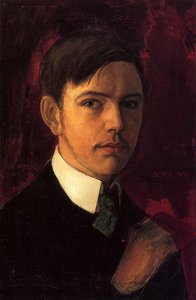
1887–1914, Saksamaa
August Macke
Varajane elu, pere ja haridus August Macke lugu algab Saksamaas asuvas Meschede linnas, kus ta sündis 3. jaanupärast 1887. Ta oli ehitusmees August Friedrich Hermann Macke ja Maria Florentine ainuke poeg. Tema lapsepõlve kujendas tema isa ettevõtte pidevalt muutuv õnnestus, mis viis pere esmalt Kölni ja hiljem Bonnisse.
Ka August Macke teosed
 Dame kes rohetaske kannab1913
 Vannetega tüdrukud taustaga linn1913
 Pood müüakse mütsidega1913
 Portrait of the Artist's Wife with Hat1909

Essee teemadel Vegetable fields
 August Macke: Expressionist Visions of Harmony & Modern LifeExplore the vibrant Expressionist paintings of August Macke (1887-1914). Discover his key role in Der Blaue Reiter, Fauvist influences, and…
 Ekspressionismi 10 Meisterteost: Kunst, Tunne ja SisustusSukeldu ekspressionismi maailma! Avasta 10 kuulsat meistriteost – Munch, Kirchner jt. – ja nende värviküllased lood. Ideed sisustamiseks & …
 Brushes of Anguish: The Psychological Landscape of Emotional Distress in Post-Impressionist ArtExplore the profound psychological depth of Post-Impressionist masters. Discover how color and form mirror human emotion.