The Mandolin Player (Anton Windmaier)
Anton Windmaier (1840–1896) on loonud teose The Mandolin Player.

 Eelvaade

 Käsitsi maalatud õlimaalatsioon
 Saada
 Jaga
 Teave teose kohta


 Laadi alla
 Sarnased teosed
 Röntgenuuring
 Slaidietendus
 KÜSIMUSED JA VASTUSID

 Statistika
The Mandolin Player lühidalt
- Pealkiri
- The Mandolin Player
- Kunstnik
- Anton Windmaier (1840–1896)
- Kunstnik on sündinud
- Pfarrkirchen, Germany
The Mandolin Player kõrge resolutsiooniga pildid
Avalik omanik: kunstnik suri aastal 1896.
Anton Windmaier, The Mandolin Player. Avalik omaniklik õigus
Küsimused teemal The Mandolin Player – vastused
Kas teos "The Mandolin Player" on ilma autoriõigusteta?
Teos „The Mandolin Player“, autor Anton Windmaier on lubaõiguslikult avalikus õiguses – selle autoriõigud onหมดunud. See staatus reguleerib teose pildi reprodüseerimise võimalusi.
Millisele kunstnikule on teos "The Mandolin Player" atribuutseeritud?
Teose "The Mandolin Player" loovija on Anton Windmaier. Selle lehe info kirjeldab Anton Windmaier algteost.
Miks on teose "The Mandolin Player" autoriõiguste staatus selline, nagu see on?
Anton Windmaier teos "The Mandolin Player" on avalikus õiguses – selle autoriõigud onหมดunud. Autoriõiguse kaitseajad arvutatakse alates kunstniku surmaõigustest ning Anton Windmaier suri aastal 1896.
Kunstnikust, Anton Windmaier
1840–1896, Germany
Anton Windmaier
The Soul of a Nation: The Life and Art of Anton Ebert Anton Ebert stands as a pivotal figure in the development of Russian realist painting, a master whose meticulous observation and profound empathy captured the very essence of everyday life in 19th-century Russia. Born in Berlin to Polish heritage, Ebert’s artistic journey was one of remarkable migration, leading him from the bustling, structured streets of Europe to the heartland of Russia. It was here that he found his true calling, spending much of his career documenting the lives of peasants, merchants, and members of the aristocracy with a sensitivity that transcended mere portraiture. His work offers a poignant window into a rapidly changing nation, reflecting both its enduring, ancient traditions and the encroaching, transformative forces of modernity.
Teel Anton Windmaier kohta Anton Windmaier silmapaistvad teosed
 Girl in Folk Costume1879
 Autumn Near Munich1874
 The Little Polka Dancer1879
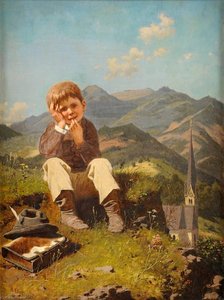 The Little Truant1885