School of Paris · 1928
Rita van Leer (André Derain, 1928)
André Derain (1880–1954) on loonud teose Rita van Leer. See on pärinev 1928 aastast. See kuulub School of Paris suuntrime. Teos on valmistatud materjalist Oil On Panel. Mõõdud on 41 × 34 cm.
- 1928
- Oil On Panel
- 41 × 34 cm

 Eelvaade

 Käsitsi maalatud õlimaalatsioon
 Saada
 Jaga
 Teave teose kohta


 Laadi alla
 Sarnased teosed
 Röntgenuuring
 Slaidietendus
 KÜSIMUSED JA VASTUSID

 Statistika
Rita van Leer lühidalt
- Pealkiri
- Rita van Leer
- Kunstnik
- André Derain (1880–1954)
- Kunstnik on sündinud
- Chatou, Prantsusmaa
- Kuupäev
- 1928
- Tehnika
- Oil On Panel
- Mõõtmed
- 41 × 34 cm
- Suunad
- School of Paris
- Aeglkond
- Modern
- Teema
- woman, portrait, face, shoulders, gray, black
Mida Rita van Leer kujutab?
The Portrait of Rita van Leer
In this intimate portrait, André Derain turns his attention to Rita van Leer. Created about 1928, the work moves away from the loud colorism of his earlier years, focusing instead on the quiet presence of the sitter. There is a certain stillness here, a moment captured in a way that prioritizes her character over a mere photographic likeness. She meets the viewer with a directness that feels both personal and somewhat guarded.
André Derain captures the subject with an expressive likeness, favoring the essence of her personality over rigid, academic precision. The portrait focuses on the head and shoulders, stripping away unnecessary distractions to ensure the viewer's attention remains fixed upon her gaze. It is a study of a person rather than a mere likeness, offering a glimpse into a specific, fleeting moment of her life.
Composition and Visual Elements
The composition is centered entirely upon the woman’s face, which occupies the majority of the frame. Presented in a close-up view, the subject's head and shoulders emerge from a dark, minimalist background. This lack of environmental detail ensures that the viewer's attention remains fixed on the sitter. Her head is slightly tilted, a subtle movement that introduces a sense of dynamism to an otherwise still moment.
There is a directness in her gaze, as she looks straight toward the viewer. This connection is established through the careful placement of her features and the use of tonal variations rather than sharp, photographic lines. Light and shadow work together to define the contours of her face, creating a sense of three-dimensionality through the layering of different shades.
Technique and Artistic Style
The work is characteristic of early modern art, leaning into the expressive possibilities of Fauvism and Expressionism. Rather than seeking photographic accuracy, the artist employs a loose and gestural application of paint to capture the sitter. There is a palpable sense of immediacy here, driven by the visible brushstrokes that define the form. This approach prioritizes the emotional essence of the subject over a strictly realistic representation.
One notices how the artist uses short, choppy strokes to build up the features of the face and the contours of the hair. This method creates a textured, almost rugged surface. The use of thick impasto is particularly evident, providing a physical depth that makes the paint feel sculptural. These heavy applications of pigment allow the light to catch the ridges of the brushwork, adding a sense of movement to the portrait.
Materials and Physical Properties
This work is executed in oil paint, applied with a deliberate and textured hand. The artist has worked upon a surface of either canvas or panel, a choice that supports the heavy impasto visible throughout the piece. Such tactile application allows the paint to hold its form, creating a physical presence that catches the light in subtle ways. The dimensions of the work are 41 x 34 cm, a scale that invites a close, intimate inspection of the surface.
The palette is notably restrained, eschewing the riotous color often associated with the artist's earlier years. Instead, we find a monochromatic arrangement of gray, black, and white. These tones are layered to build depth and define the contours of the subject. The interplay of light and shadow is achieved through these varying shades, providing a sense of volume without the need for chromatic intensity. It is a quiet, disciplined approach to the medium.
Rita van Leer kõrge resolutsiooniga pildid
Avalik omanik: kunstnik suri aastal 1954.
André Derain, Rita van Leer (1928). Avalik omaniklik õigus
Küsimused teemal Rita van Leer – vastused
Mis on teose „Rita van Leer“, autor André Derain loomisaeg?
Teose „Rita van Leer“, autor André Derain loomimisaastaks on märgitud 1928.
Millises materjalis on teos „Rita van Leer“, autor André Derain valmistatud?
Teose „Rita van Leer“, autor André Derain materjal on Oil On Panel. Reproduktsioonide eesmärk on jälitada selle tehnika välimust.
Mis on originaalteose „Rita van Leer“, autor André Derain mõõdud?
Teose „Rita van Leer“, autor André Derain mõõdud on 41 x 34 cm. Reproduktsioone saab tellida muutes mõõtust, säilitades samal ajal samad proportsioonid.
Mida „Rita van Leer“, autor André Derain kujutab?
Teose "Rita van Leer" teemad on woman, portrait, face, shoulders, gray, black, white.
Kas teos "Rita van Leer" on ilma autoriõigusteta?
Autoriõiguse teave teose „Rita van Leer“, autor André Derain kohta: teos kuulub luba ala avalikus õiguses – selle autoriõigud onหมดunud. See määrab, kas kujundist on lubatud vabadelt reproduktsioone teha.
Kes on teose "Rita van Leer" looja?
Teose "Rita van Leer" looja on André Derain. Teos on kataloogitud nime André Derain all.
Millisse kunstisuuna kuulub teos „Rita van Leer“, autor André Derain?
Teosest „Rita van Leer“, autor André Derain tuntud kunstisuuna on School of Paris. See klassifikatsioon aitab teost paigutada sarnaste kunstnike ja teoste hulka.
Kuhu André Derain loomingulisse perioodi kuulub teos "Rita van Leer"?
Teos "Rita van Leer" esindab kunstniku André Derain loovperioodi Late Period.
Kui palju oli André Derain aastane, kui teos "Rita van Leer" loodi?
André Derain loobus teose "Rita van Leer" 48 aasta vanuses. Kunstnik on sündinud aastal 1880 ning teos on dateeritud 1928.
Kunstnikust, André Derain
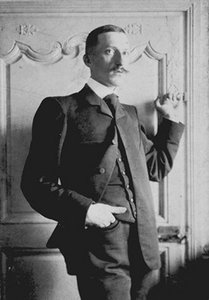
1880–1954, Prantsusmaa
André Derain
Varajane elu, pere ja õppimine Aastal 1880 jõudis maailma Chatou, Prantsuse Yvelinesi piirkonnas asuv küla, kus sündis André Derain. Tema varajased aastad said vormuda Île-de-France'i vaiklavates maastikudes, kus ümbrivillast tulenev loomulik uudishimik hakkas temameedis juurduma. Kuni 1995. aastani oli ta juba alustanud iseseisvat õppimist, püüdes maailma visuaalsust mõista oma silmadega, mitte läbi ametliku õpetuse.
Ka André Derain teosed
 vannasid1907
 London Bridge1906
 Charing Cross from sw1906
 Landscape at L'Estaque1906
Essee teemadel Rita van Leer
 Fauvism vs German Expressionism: Distinguishing Color and EmotionMaster the differences between Fauvism and German Expressionism through expert analysis. Learn to decode the emotion behind the color today.
 Dutch artworks of the 1860s1860s Dutch masterpieces by Vincent van Gogh, Gerard Bilders, and August Allebé. View the full collection online at OriginalUniqueArt.com.
 The Silent Dialogue: Examining Intimacy and Psychological Depth in Classical PortraitureExplore the psychological depth of classical portraiture through masters like Rembrandt and Vermeer. Discover the power of the gaze today.