Fauvism · 1912
Cliffs (André Derain, 1912)
André Derain (1880–1954) on loonud teose Cliffs. See on pärinev 1912 aastast. See kuulub Fauvism suuntrime.
- 1912

 Eelvaade

 Käsitsi maalatud õlimaalatsioon
 Saada
 Jaga
 Juhend


 Laadi alla
 Sarnased teosed
 Röntgenuuring
 Slaidietendus
 KÜSIMUSED JA VASTUSID

 Statistika
Cliffs: põhitooded
- Pealkiri
- Cliffs
- Kunstnik
- André Derain (1880–1954)
- Kunstnik on sündinud
- Chatou, Prantsusmaa
- Kuupäev
- 1912
- Suunad
- Fauvism
- Teema
- landscape, cliffs, mountains, village, waterfall, fauvism
Mida Cliffs kujutab?
A Vision of Verdant Majesty: André Derain's "Cliffs"
André Derain’s “Cliffs,” painted in 1912 and residing within the esteemed State Hermitage Museum, is more than just a landscape; it's a vibrant testament to the revolutionary spirit of Fauvism. This artwork captures a breathtaking vista of mountains, cliffs, and cascading waterfalls, transporting viewers to a realm where nature’s power and tranquility intertwine. The scene unfolds with a charming village nestled in the valley below, framed by majestic peaks blanketed in lush greenery – an idyllic paradise rendered through Derain's distinctive lens. Two quaint houses near the bottom left corner add a touch of human presence to this otherwise wild expanse. The overall impression is one of dynamic energy and harmonious balance, showcasing nature’s grandeur alongside the quiet resilience of human settlement.Fauvism in Full Bloom: Style & Technique
"Cliffs" exemplifies the core tenets of Fauvism, a groundbreaking art movement that emerged in the early 20th century. Characterized by its bold use of color and expressive brushstrokes, Fauvism sought to liberate painting from representational constraints, prioritizing emotional impact over strict realism. Derain, alongside contemporaries like Henri Matisse, was a pivotal figure in this movement. The technique employed here is immediately striking: colors are applied directly to the canvas with loose, gestural strokes, creating a textured surface that vibrates with energy. Notice how the blues of the sky aren't blended seamlessly but rather layered and juxtaposed, contributing to a sense of atmospheric depth. The simplification of forms – cliffs rendered as sweeping planes of color rather than meticulously detailed rock faces – further emphasizes the painting’s emotional intensity. The lack of precise detail encourages viewers to engage with the artwork on a visceral level, responding to its raw energy and vibrant hues.Historical Context & Artistic Influences
Painted in 1912, "Cliffs" reflects a period of significant artistic experimentation. Following the Impressionists' focus on capturing fleeting moments of light, Fauvism pushed boundaries even further, embracing subjectivity and emotional expression. Derain’s work during this time was also influenced by his exploration of London, where he captured the city with a radical perspective distinct from previous depictions. The movement itself arose as a reaction against the academic traditions that dominated the art world at the time, seeking to forge a new path for artistic innovation and personal expression. Derain’s willingness to break free from conventional representation positioned him at the forefront of this transformative era.Symbolism & Emotional Resonance
Beyond its aesthetic appeal, "Cliffs" carries symbolic weight. The imposing cliffs themselves can be interpreted as symbols of strength, permanence, and the enduring power of nature. The small village nestled below suggests human resilience and adaptability in the face of such grandeur. The cascading waterfall represents a constant cycle of renewal and transformation. Ultimately, Derain’s "Cliffs" evokes a profound sense of tranquility and awe. It invites viewers to contemplate the beauty and majesty of the natural world while simultaneously celebrating the power of artistic expression to convey complex emotions and ideas. The painting's vibrant colors and dynamic composition create an uplifting and inspiring experience, making it a timeless masterpiece that continues to resonate with audiences today.Cliffs kõrgel resolutsioonil

Avalik omanik: kunstnik suri aastal 1954.
Veel erinevaid mõõdu, u recorte ja allviiteid →André Derain, Cliffs (1912). Avalik omaniklik õigus
Digitaalne ekspert kontrollib värve vastavust originaalteosele ja retusseerib faili, püsides truulena kunstniku pintlapidele.
Osta kõrge resolutsiooniga piltKüsimused teemal Cliffs
Millal loodi teos "Cliffs"?
Teose „Cliffs“, autor André Derain loomimisaastaks on märgitud 1912.
Millised teemad teoses „Cliffs“, autor André Derain esile tõelve?
Teose "Cliffs" teemad on landscape, cliffs, mountains, village, waterfall, fauvism, hermitage.
Kas teos „Cliffs“, autor André Derain kuulub avalikku omandisse?
Teos „Cliffs“, autor André Derain on lubaõiguslikult avalikus õiguses – selle autoriõigud onหมดunud. See staatus reguleerib teose pildi reprodüseerimise võimalusi.
Kes on teose "Cliffs" kunstnik?
Teose "Cliffs" looja on André Derain. Teos on kataloogitud nime André Derain all.
Millisse kunstisuuna kuulub teos „Cliffs“, autor André Derain?
"Cliffs" on Fauvism suunaga teos. See suundumine viitab kunstilisele traditsioonile, millega teos on seotud.
Millist etap André Derain loomingus teos "Cliffs" esindab?
Teos "Cliffs" esindab kunstniku André Derain loovperioodi Early Fauvist Period.
Kui palju oli André Derain aastane, kui teos "Cliffs" loodi?
André Derain oli 32 aastane, kui ta teosest "Cliffs" aastal 1912 lõi. Vanus on arvutatud kunstniku sünnaaasta põhjal, 1880.
Kas André Derain teos "Cliffs" kuulub avalikku omandisse ja miks?
„Cliffs“, autor André Derain on avalikus õiguses – selle autoriõigud onหมดunud. Tegijakeskuse kaitse kestus arvatakse kunstniku surmaajaest, mis toimus aastal 1954.
Kuidas teos "Cliffs" sobitub artisti André Derain teemade ja stiiliga?
"Cliffs" kuulub André Derain Fauvism perioodi teosetele, mille tuntud teemad hõlmavad represents a key work in derain's fauvist phase., celebrates nature’s beauty, tranquility, and vibrancy..
Kunstnikust, André Derain
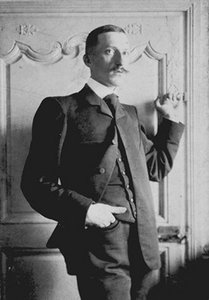
1880–1954, Prantsusmaa
André Derain
Varajane elu, pere ja õppimine Aastal 1880 jõudis maailma Chatou, Prantsuse Yvelinesi piirkonnas asuv küla, kus sündis André Derain. Tema varajased aastad said vormuda Île-de-France'i vaiklavates maastikudes, kus ümbrivillast tulenev loomulik uudishimik hakkas temameedis juurduma. Kuni 1995. aastani oli ta juba alustanud iseseisvat õppimist, püüdes maailma visuaalsust mõista oma silmadega, mitte läbi ametliku õpetuse.
Ka André Derain teosed
 bathers1907
 London Bridge1906
 Charing Cross from sw1906
 Landscape at L'Estaque1906

Essee teemadel Cliffs
 André Derain: Fauvism's Bold Visionary & the Evolution of Modern ColorExplore the revolutionary art of André Derain, co-founder of Fauvism. Discover his bold use of color, evolution from radical expressionism …
 The Architecture of Awe: Examining the Sublime Power of Cliffs in Romantic Landscape ArtExplore the profound power of cliffs in Romantic art through expert analysis of the sublime. Discover the masters of landscape today.
 Fauvism vs German Expressionism: Distinguishing Color and EmotionMaster the differences between Fauvism and German Expressionism through expert analysis. Learn to decode the emotion behind the color today.