Art Nouveau Art Nouveau
(41) (Alphonse Mucha)
Alphonse Mucha (1860–1939) on loonud teose (41). See kuulub Art Nouveau Art Nouveau suuntrime. Teos on valmistatud materjalist Acrylic On Canvas.
- Acrylic On Canvas

 Eelvaade

 Käsitsi maalatud õlimaalatsioon
 Saada
 Jaga
 Teave teose kohta


 Laadi alla
 Sarnased teosed
 Röntgenuuring
 Slaidietendus
 KÜSIMUSED JA VASTUSID

 Statistika
(41) lühidalt
- Pealkiri
- (41)
- Kunstnik
- Alphonse Mucha (1860–1939)
- Kunstnik on sündinud
- Ivančice, Tšehhi
- Tehnika
- Acrylic On Canvas
- Suunad
- Art Nouveau Art Nouveau
- Teema
- woman, hair, dress, baby, floral, organic
Mida (41) kujutab?
Alphonse Mucha: The Enchanting Symbolism of Art Nouveau
Alphonse Maria Mucha stands as one of the most recognizable figures of Art Nouveau, an artistic movement that flourished between 1890 and 1910 across Europe. Born in Brno, Czech Republic, in 1860, Mucha rejected the rigid academic traditions of his time, forging a path toward a uniquely expressive style that captivated audiences and continues to inspire artists today.
Much’s artistic vision centered around capturing ethereal beauty—primarily through idealized depictions of women—often presented in flowing robes adorned with intricate floral motifs. Influenced by Impressionism and Symbolism, he skillfully blended these influences into his distinctive Art Nouveau aesthetic. Unlike the prevailing stylistic trends of his era, Mucha prioritized organic forms and graceful curves, mirroring the natural world’s rhythms and conveying a sense of movement.
His breakthrough came with collaborations on decorative posters for Parisian theaters and exhibitions. These commissions demanded meticulous attention to detail—particularly in the rendering of textures and colors—resulting in stunning visual experiences that cemented Mucha's reputation as a master craftsman. He employed techniques such as cloisonné enamel, gilding, and lithography to achieve unparalleled luminosity and vibrancy, pushing the boundaries of printmaking.
The Slavonic Uprising: A Fusion of Tradition and Innovation
Perhaps Mucha’s most ambitious project was “The Slavonic Uprising,” a monumental mural commissioned for Prague’s National Theatre. This artwork exemplifies Mucha's ability to synthesize disparate elements into a cohesive narrative—combining traditional Czech folklore with the dynamism of Art Nouveau principles.
The mural depicts a stylized battle scene, featuring figures draped in flowing robes reminiscent of Slavic princesses and warriors. Mucha skillfully utilized bold colors and sweeping lines to convey the urgency and grandeur of the uprising, capturing both its heroic spirit and its underlying melancholy. The intricate floral ornamentation—particularly around the central figures—underscores the movement’s preoccupation with nature and symbolizes resilience amidst adversity.
Symbolism Rooted in Myth and Folklore
Throughout Mucha's oeuvre, symbolism played a crucial role in conveying deeper meanings beyond mere visual representation. Recurring motifs—such as lilies, roses, and peacocks—carried associations rooted in Slavic mythology and Christian iconography. These symbols served to elevate the artwork’s emotional impact, inviting viewers to contemplate themes of heroism, sacrifice, and spiritual transcendence.
Consider “La Ribambelle des Gobelins,” a collaborative project with Piero Dorazio that explored the concept of collective creativity. Mucha's contribution—a stylized depiction of women—embodied the movement’s belief in the transformative power of art to inspire social change and celebrate human beauty.
A Legacy Enduring Through Reproduction
Today, Alphonse Mucha’s artwork continues to resonate with audiences worldwide. High-quality reproductions offer a captivating glimpse into his artistic genius—allowing collectors and interior designers alike to experience the enchantment of Art Nouveau firsthand. His enduring influence testifies to the power of visionary art to transcend time and inspire generations of artists.
(41) kõrge resolutsiooniga pildid
Avalik omanik: kunstnik suri aastal 1939.
Alphonse Mucha, (41). Avalik omaniklik õigus
Küsimused teemal (41) – vastused
Millises materjalis on teos „(41)“, autor Alphonse Mucha valmistatud?
Teose „(41)“, autor Alphonse Mucha materjal on Acrylic On Canvas. Reproduktsioonide eesmärk on jälitada selle tehnika välimust.
Mida „(41)“, autor Alphonse Mucha kujutab?
„(41)“, autor Alphonse Mucha kujutab: woman, hair, dress, baby, floral, organic, flowing lines, symmetry.
Kas teos "(41)" on ilma autoriõigusteta?
Autoriõiguse teave teose „(41)“, autor Alphonse Mucha kohta: teos kuulub luba ala avalikus õiguses – selle autoriõigud onหมดunud. See määrab, kas kujundist on lubatud vabadelt reproduktsioone teha.
Kes on teose "(41)" looja?
Teose "(41)" looja on Alphonse Mucha. Teos on kataloogitud nime Alphonse Mucha all.
Millissele stiilile kuulub "(41)"?
"(41)" on Art Nouveau Art Nouveau suunaga teos. See suundumine viitab kunstilisele traditsioonile, millega teos on seotud.
Millist etap Alphonse Mucha loomingus teos "(41)" esindab?
Alphonse Mucha loomingus kuulub teos "(41)" perioodi Mature Period. See etap aitab seda võrdida kunstniku teiste töödega.
Miks on teose "(41)" autoriõiguste staatus selline, nagu see on?
Alphonse Mucha teos "(41)" on avalikus õiguses – selle autoriõigud onหมดunud. Autoriõiguse kaitseajad arvutatakse alates kunstniku surmaõigustest ning Alphonse Mucha suri aastal 1939.
Milliseid ühiseid elemente jagab teos "(41)" Alphonse Mucha muud loominguga?
"(41)" kuulub Alphonse Mucha Art Nouveau Art Nouveau perioodi teosetele, mille tuntud teemad hõlmavad renoir, moreau, czech motifs, modern art nouveau, idealized femininity.
Kust kohalt Alphonse Mucha korduvad teemad teoses "(41)" ilmumisel?
"(41)" kujutab teemasid woman, hair, dress, baby, floral, organic, flowing lines, symmetry, samal ajal kui Alphonse Mucha tuntud teemad on renoir, moreau, czech motifs, modern art nouveau, idealized femininity. Nende kahe võrdlemine näitab, kuidas teos seobub kunstniku tavalistega motiividega.
Kunstnikust, Alphonse Mucha

1860–1939, Tšehhi
Alphonse Mucha
Varajane Elu ja Haridus Alphonse Maria Mucha sündis 15. juulil 1860. aastal Ivanačices, Moravas (praeguse Tšehhi Vabariigi osa). Juba varasest east avaldas ta kunstilisi andeid ning tema perekond toetas tema kirge joonistamise vastu.
Teel Alphonse Mucha kohta Alphonse Mucha silmapaistvad teosed
Ka Alphonse Mucha teosed
 The Moon
 Nude
 The Apotheosis of the Slavs1926
 Stained-Glass Window in St. Vitus Cathedral
Essee teemadel (41)
 Resilience and Heritage: A Curated Journey Through the Soul of Ukrainian Art HistoryExplore the profound legacy of Ukrainian art from Baroque grandeur to Repin's realism. Discover this rich cultural journey now.
 Käsitööna Valminud Luksusreproduktsioonid: Tekstuuri, Sügavuse ja Kunstiliste Väärtuste Investeering InterjööridesKäsitööna valminud luksusreproduktsioonid OriginalUniqueArt.com-ist – investeering interjööri ilusse ja kunstilisse väärtusesse. Kvaliteet,…
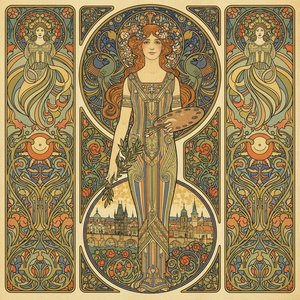 Alphonse Mucha: A Comprehensive Exploration of Art Nouveau's Master of Decorative SymbolismExplore the life & art of Alphonse Mucha, master of Art Nouveau! Discover his iconic posters, stunning illustrations, and the monumental Sl…