

 Vaata sisu
 Jaga teost
 Jaga
Jaga
 Detailid
 Õppekate juhend

 Laadi alla
 Sarnased teosed
 Röntgenuuring
 Slaidietendus
 Statistika
Pavilion
 Oil On Canvas
- WallArt
- Bengal School of Art
 23.0 x 16.0 cm
 Victoria Memorial Hall
 Loe lähemalt
Giclée / Kunstiprint
Muuseumikvaliteediga giclée- või kangasprint kiire tootmisega ja paindlikud viimistlusvõimalused. ( Telli käsitsi maalitud reproduktsioon Ülemineku digitaalse pildi müügi kanalisse)




P118B €10

P118H €10

P118W €10

P438Z €10

P508JH €12

P508YH €12

P805H €10

P805Z €10

P919BZ €10

P919G €10

P919XJ €10

P959ZH €10

P968JZ €12

W106C €8

W218G €10

W218JH €8

W218Y €10

W307PJ €10

W316G €10

W316PJ €8

W316Y €10

W398PJ €8

W4111J €10

W500HY €15

W500JH €15

W692G €12

W849H €8

W940BG €15

W953PJ €8




Vali meie eelmääratud suurused, mis vastavad teose algupärastele proportsioonidele.

Sisestage vajalik laius ja kõrgus, et see sobiks teie raamile või seinale. Trükki saab ainult lõigata, seda ei saa kunagi pildist suuremaks teha, seega ka differentse vormiga suurus kaotab osa pildist. Enne trükkimist saadame teile kinnitamiseks digitaalse näidisprojektsiooni. Sellel lehel näidatud pilt ei kujuta reaalset lõiget — seda näitab ainult näidisprojekttsioon.
Ülemaailmne tarne () 2 nädala jooksul, tavalise 4/5 nädala asemel. (25 oktoober)

Tasuta ekspresssaatmine üle maailma

Kõrgekvaliteediline lina-kangastest muld

Täielik transpordikindlustus

Tollimaksude tagastamise garantii

Värvitoime täpsuse garantii

100 päeva tagastusõigus (ainult defektide korral)

100% raha tagasi garantii

Hulgusoodustus
 Klaasivalik on saadaval ainult kuni 110 cm suuruses teostes

Pavilion
Giclée / Kunstiprint
Reproduktsiooni mõõtmed
-


Lõppsumma
€ 70
Abanindranath Tagore’s “Pavilion”: A Bridge Between East and West
The artwork presented here, Abanindranath Tagore's "Pavilion," isn’t merely a depiction of a building; it’s a carefully constructed visual poem, a pivotal moment in the history of Indian art. Painted in 1907, during a period of intense nationalistic fervor and artistic experimentation, this work represents Tagore’s audacious attempt to synthesize traditional Indian aesthetics with Western influences – a strategy that fundamentally reshaped the landscape of modern Indian painting. It's a piece brimming with symbolism, inviting viewers to contemplate themes of spirituality, identity, and the evolving relationship between tradition and modernity.
Tagore, deeply influenced by the Japanese aesthetic—particularly its emphasis on calligraphy and flattened perspective—and inspired by the Mughal and Rajput miniature traditions, sought to create an art form that resonated with Indian sensibilities. He deliberately rejected the academic realism prevalent in Western art schools, which he viewed as cold and devoid of spiritual depth. Instead, he drew upon the rich visual vocabulary of ancient India – its vibrant colors, stylized forms, and symbolic imagery—and infused it with a distinctly modern sensibility. “Pavilion” exemplifies this approach perfectly; it’s not a photographic representation but rather an evocative interpretation, prioritizing mood and feeling over strict adherence to reality.
A Symphony of Color and Symbolism
The painting immediately captivates the eye with its rich palette—a deliberate departure from the muted tones favored by Western artists. Deep blues and greens dominate the composition, evoking a sense of tranquility and spirituality, while bursts of crimson, gold, and saffron inject vibrancy and energy. These colors aren’t simply decorative; they carry profound symbolic weight. Blue represents the heavens and spiritual realms, red signifies passion and life force, and gold embodies divinity and enlightenment. The use of these hues is deeply rooted in Hindu iconography and reflects Tagore's desire to reconnect with India’s ancient spiritual heritage.
The pavilion itself—a structure reminiscent of Mughal palaces but imbued with a distinctly Indian character—is rendered with a flattened perspective, echoing the style of Japanese woodblock prints. The arched doorway, framed by intricate floral motifs and stylized clouds, serves as a focal point, drawing the viewer’s eye into the heart of the composition. Notice the deliberate simplification of forms – a hallmark of both Mughal and Japanese art—which contributes to the painting's serene and contemplative atmosphere. The figures depicted within the pavilion are not realistically rendered but rather presented as stylized silhouettes, further emphasizing the work’s symbolic nature.
Historical Context and Artistic Significance
“Pavilion” was created during a crucial period in Indian history—the early 20th century—a time marked by growing nationalist sentiment and a desire to reclaim India's cultural identity after centuries of colonial rule. Tagore’s art played a significant role in this movement, providing a visual language for expressing Indian values and traditions. He founded the Bengal School of Art, which championed a distinctly Indian style of painting that drew inspiration from both ancient and contemporary sources. This school challenged the dominance of Western artistic styles and paved the way for a new generation of Indian artists.
Tagore’s work wasn't without its critics. Some accused him of diluting traditional Indian art by incorporating Western elements, while others praised his innovative approach to blending Eastern and Western aesthetics. However, “Pavilion” remains a testament to Tagore’s artistic vision—a bold and ambitious attempt to create an art form that was both deeply rooted in India's cultural heritage and open to new influences. It stands as a pivotal work in the development of modern Indian painting, demonstrating the power of art to shape national identity and express complex ideas.
A Timeless Masterpiece for Your Space
Reproduced on high-quality canvas or paper, Abanindranath Tagore’s “Pavilion” offers a captivating glimpse into India's rich artistic heritage. Its serene composition, vibrant colors, and evocative symbolism make it an ideal addition to any home or office space. Whether you are drawn to its spiritual depth, its historical significance, or simply its aesthetic beauty, this artwork is sure to inspire contemplation and add a touch of timeless elegance to your surroundings. Consider commissioning a hand-painted reproduction from OriginalUniqueArt.com for a truly authentic experience.
Küsimused ja vastused
Kas teose „Pavilion“, autor Abanindranath Tagore värvid on kütkestatud või pehmed?
Teose „Pavilion“, autor Abanindranath Tagore värvitoit on Balanced Soft kütkusega.
Kas teose "Pavilion" allalaadimist on võimalik teha?
Teosest "Pavilion" on võimalik alla laadida: teose Laadi alla lehel on saadaval kõrge resolutsiooniga digitaalse pildi allalaadimine.
Mis on teose „Pavilion“, autor Abanindranath Tagore tehnika ja mõõdud?
Originaalteos „Pavilion“, autor Abanindranath Tagore on Oil On Canvas teos mõõtmisel 23 x 16 cm. Tehnika ja suurus kirjeldavad originaalobjekti.
Kunstniku elulugu
Varajärglane taust ja elulugu
- Sünd: 7. mai 1861, Joransanko, Kalkutta, Briti India
- Suri: 5. detsember 1951
- Pere: Möne tunnustatud Tagore'i suguvõsa liige; Rabindranath Tagore vennapoeg. Tema vanaisa oli Girindranath Tagore ja tema isa oli Gunendranath Tagore.
- Haridus: Õppis 1880. aastatel Kalkutta Sanskrit College'is ning hiljem käibus Calcutta School of Art'is.
Kunstiline areng ja mõjutid
- Algne koolitus: Õppis pastellkunstide aluseid O. Ghilardi juures ning õpioli maali Charles Palmerilt Calcutta School of Art'is.
- Moguli ja Rajputi stiilid: Püüdis neid stiile moderniseerida, lükates tagasi Lääne kunstimodeleid.
- Swadeshi väärtused: Integreeris oma kunstisse Swadeshi väärtusi, edustades nii Indias koondunud traditsioone.
- Whistleri esteetik: Oli mõjutatud Whistler'i esteetilistest põhimõtetest.
- Jaapani mõju: Hiljem lisas oma stiili Hiina ja Jaapani kalligraafiatraditsioonid pärast kohtumist kunstikega Tikan ja Hesida.
Olulised teosed ja kunstiline panus
- Rohini II: Silmapaistev teos, mis demonstreerib tema kunstilist oskust.
- Shajahan surm: Te another märkimisväärne maalidist, mis peegeldab tema unikaalset stiili.
- Kaldus lillevaas: Näitab tema meistriklassi tehnikas ja teemade valimisel.
- Arabian Nights sarja (1930): Üks tema suuremaid saavutusi, kus kasutades "Tuhat ja üks ööd" lugusid, uuris ta koloniaalajalugu Kalkutta siseelulust.
- Bharat Mata: Oluline maalidist, mis sümboliseerib Ema Indiat.
- Bengaali kunstikooli asutaja: Esitas võtmealset rolli kaasaegse India maalidist kujundamisel ja rahvusliku kunsti edendamisel.
- India Orientaalne Kunstühing (1907): Asutas selle ühingu, et edendada traditsioonilisi India kunstivorme.
Pärand ja ajalooline tähendus
- Kaasaegse India maalidist pioneer: Tunnustatud kui võtmefiguur India kaasaegse kunsti arengus.
- Mõju järgmistele kunstikatele: Mentor paljudele märkimisväärsetele kunstikatele, nagu Nandalal Bose, Asit Halder, Kshitindranath Majumdar ja Jamini Roy.
- Traditsiooniliste kunstivormide taaselustamine: Pooldas naasmist traditsioonilistesse India tehnikatesse ja stiilidesse.
- Mõju bengali laseliteratuurile: Kirjutas mõjuvaid laselugusid, nagu Rajkahini, Budo Angla, Nalak ja Khirer Putul.
- Riiklikud kunstivaramud: Tema teoseid peetakse riiklikuks kunstivaramud.

Abanindranath Tagore
1871 - 1951 , India
Lühikest infot
- Artistic Movement Or Style: Bengaali kunstikool
- Artists Or Movements Influenced By This Artist:
- Nandalal Bose
- Kshitindranath Majumdar
- Jamini Roy
- Artists Who Influenced This Artist:
- Whistler
- Mughal kunstnikud
- Rajput kunstnikud
- Date Of Birth: 7. mai 1871
- Date Of Death: 5. detsember 1951
- Full Name: Abanindranath Tagore
- Nationality: India
- Notable Artworks:
- Rohini II
- Shajahan surm
- Eelnev lillevaas
- Place Of Birth: Jorasanko, India
Sarnased artiklid

Raja Ravi Varma: Bridging Tradition & Modernity in 19th-Century Indian Art
Explore the life & art of Raja Ravi Varma, a pioneer who fused European techniques with Indian iconography. Discover his iconic paintings, lasting legacy, and influence on modern Indian art at OriginalUniqueArt.
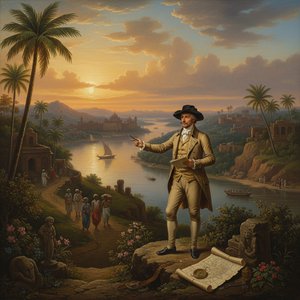
Thomas Daniell: Navigating Light, Landscape & Cultural Exchange in Early 19th-Century India
Explore the captivating landscapes of Thomas Daniell, a pioneering artist who documented India's beauty in the 19th century. Discover his 'Oriental Scenery,' aquatint technique & lasting legacy. Hand-painted reproductions available at OriginalUniqueArt.
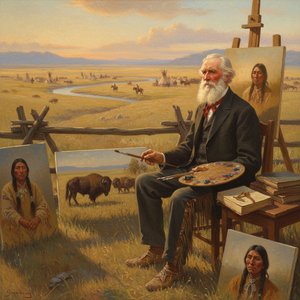
Joseph Henry Sharp: Capturing the Spirit of the Plains – Life, Art & Legacy
Explore the life & art of Joseph Henry Sharp, a founding member of the Taos Society of Artists renowned for his realistic depictions of Native American culture and Western landscapes. Discover his legacy with OriginalUniqueArt.
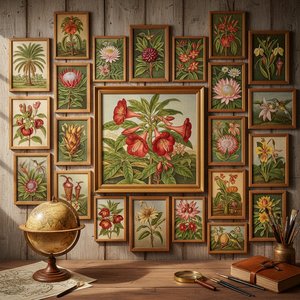
Marianne North's Masterpieces: 25 Botanical Paintings That Bloom With Adventure | OriginalUniqueArt
Journey through the vibrant world of Marianne North’s botanical paintings! Explore 25 iconic artworks from this Victorian artist, celebrating exotic flora & travel. Find museum-quality reproductions and curated decor ideas at OriginalUniqueArt.com.
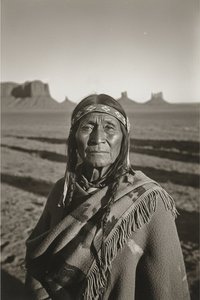
Shadow Catcher: Edward S. Curtis & the Ethnographic Portraiture of a Vanishing West
Explore the life & work of Edward S. Curtis, the 'Shadow Catcher,' and his groundbreaking photographic documentation of Native American cultures. Discover iconic images from *The North American Indian* and a critical look at his lasting legacy.
