

Información clave
- Works on APS: 1
- Location: Múnster, Alemania
- Alternate names:
- Westfälischer Kunstverein
- Asociación de Arte Westfaliana
- LWL-Museum Münster
- Kunstverein Münster
- Featured artists: ludger tom ring
Test de arte
Cada pregunta tiene una única respuesta correcta.
Pregunta 1:
¿Cuál es el enfoque principal de la colección del Westfälischer Kunstverein?
Pregunta 2:
¿En qué año fue fundada la Asociación Westfälischer Kunstverein?
Pregunta 3:
¿Qué estilo arquitectónico refleja el edificio del museo?
Pregunta 4:
¿Qué tradición artística representa la colección medieval de pintura del Westfälischer Kunstverein?
Pregunta 5:
¿Con qué institución colabora el Westfälischer Kunstverein para ofrecer una experiencia artística diversa?
Artistas en la colección

Ludger Tom Ring
Explora el arte de Ludger Tom Ring, pintor alemán del siglo XVI famoso por sus retratos y tablas de las Sibilas. ¡Descubre su obra de Münster y más allá!

Artículos relacionados
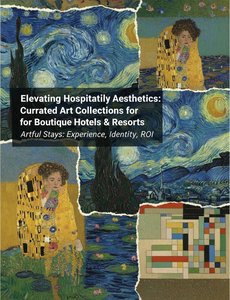
Transformando la Hospitalidad en Experiencia Artística: Colecciones Curadas para Hoteles Boutique y Resorts de Lujo
Transforme su hotel boutique o resort de lujo con colecciones de arte curadas por expertos. Descubra cómo el arte eleva la experiencia del huésped, impulsa el branding y aumenta el valor de su propiedad.
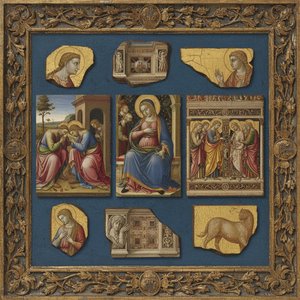
Proto-Renacimiento: 10 Obras Maestras que Cambiaron la Historia del Arte | OriginalUniqueArt
Descubre las 10 obras maestras del Proto Renacimiento que revolucionaron el arte italiano. Explora la historia de Giotto, Duccio y Cimabue. Reproducciones de arte en OriginalUniqueArt.com para decorar tu hogar con belleza atemporal.
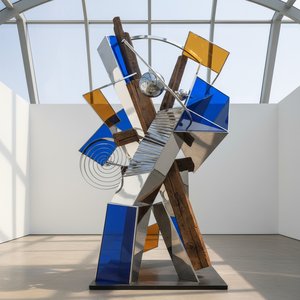
Hiro Yamagata: Abstraction, Materiality & Spatial Dynamics in Contemporary Sculpture
Explore the captivating world of Hiro Yamagata’s innovative sculptures & paintings. Discover his pioneering use of laser technology, immersive installations, and abstract forms – a must-read for discerning art collectors.


Suscríbete a nuestro boletín informativo
Manténgase al día con las últimas noticias de arte, ofertas exclusivas e ideas de decoración.
Obtén 3 sugerencias de arte gratuitas
Cuéntanos sobre tu proyecto y nuestros expertos en arte te ofrecerán 3 sugerencias de obras personalizadas.
Not Sure Where to Start?
Let Us Curate 3 Options Just for You - Free!