Transylvania University’s Monroe Moosnick Medical & Science Museum: A Window into Kentucky’s Intellectual Past
The Monroe Moosnick Medical & Science Museum stands as a singular testament to Transylvania University's enduring legacy—a repository of Victorian scientific curiosity and artistic devotion nestled within the campus’s historic heart. Founded in 1780, this institution wasn’t merely established; it was conceived as a beacon of enlightenment amidst the wilderness frontier, attracting scholars and innovators eager to forge new paths of knowledge. Today, visitors embark on a journey through meticulously preserved artifacts that illuminate the intellectual fervor of the 19th century—a period defined by groundbreaking discoveries in anatomy, botany, and illuminated manuscripts.
Collection Highlights: Anatomical Precision and Botanical Beauty
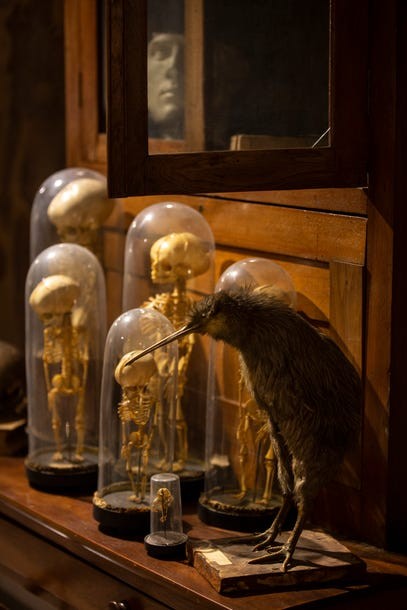
At the museum’s core resides an impressive assemblage of anatomical models crafted with painstaking detail. These sculptures represent a pivotal moment in medical history—when dissection was considered both vital for advancing understanding of human physiology and fraught with ethical debate. Each model meticulously depicts musculature, skeletal structure, and internal organs, reflecting the burgeoning scientific grasp of the human body during a time when observation and experimentation reigned supreme. Alongside these anatomical wonders are scientific instruments—ranging from refracting telescopes to microscopes—each bearing witness to the relentless pursuit of empirical observation. These tools exemplify the Victorian spirit of inquiry, demonstrating how scientists sought to unravel the mysteries of the natural world through methodical measurement and analysis.
Furthermore, the museum’s botanical art collection captivates visitors with exquisitely rendered watercolors depicting flora native to Kentucky and beyond. Each painting showcases not only artistic skill but also a commitment to documenting the natural world with scientific precision—a practice that underscores the interconnectedness between art and science during the Victorian era. The delicate brushstrokes capture the subtle hues of wildflowers, ferns, and trees, revealing an appreciation for beauty alongside a dedication to accurate botanical representation.
Architectural Context: Embracing Tradition Amidst Lexington’s Vibrant Landscape
The museum's location within Transylvania University’s campus contributes significantly to its atmosphere—a contemplative space fostered by the presence of Old Morrison and other venerable structures. While specific architectural details remain understated—a deliberate choice honoring the university’s heritage—the building itself is seamlessly integrated into the broader landscape, creating a harmonious blend of historic grandeur and modern functionality. This setting encourages visitors to contemplate the legacy of Transylvania University's founding fathers and their unwavering belief in the transformative power of education.
A Dramatic Chapter: The Audubon Folios Heist
The museum’s history gained international notoriety in 2004 following a daring heist—the theft of Audubon folios from the Rare Books & Manuscripts section. This audacious act underscored the museum's significance as a custodian of cultural treasures and fueled speculation about the motivations behind the crime, adding an element of intrigue to its narrative. The stolen folios, featuring John James Audubon’s iconic illustrations of American birds—a masterpiece of ornithological art—represented a priceless contribution to scientific knowledge and artistic achievement. Their disappearance served as a poignant reminder of the vulnerability inherent in preserving cultural heritage and sparked considerable public interest.
Ongoing Renovations: Preserving Legacy for Future Generations
Currently undergoing renovations aimed at enhancing accessibility and safeguarding fragile materials, the museum welcomes visitors with updated information regarding access hours. These efforts reaffirm Transylvania University’s commitment to protecting its intellectual heritage for future generations—ensuring that the Monroe Moosnick Medical & Science Museum continues to inspire curiosity and foster appreciation for Kentucky's rich cultural past.
Notable Alumni: Shaping American History
Transylvania University has nurtured generations of influential figures, including two U.S. Vice Presidents—Aaron Burr and John Tyler—who exemplify the institution’s commitment to fostering leadership and intellectual rigor. Their accomplishments stand as testament to Transy’s enduring influence on American history and underscore its role in cultivating individuals capable of shaping the nation's trajectory.