A Celestial Canvas Within Vatican Walls: Exploring the Torre dei Venti
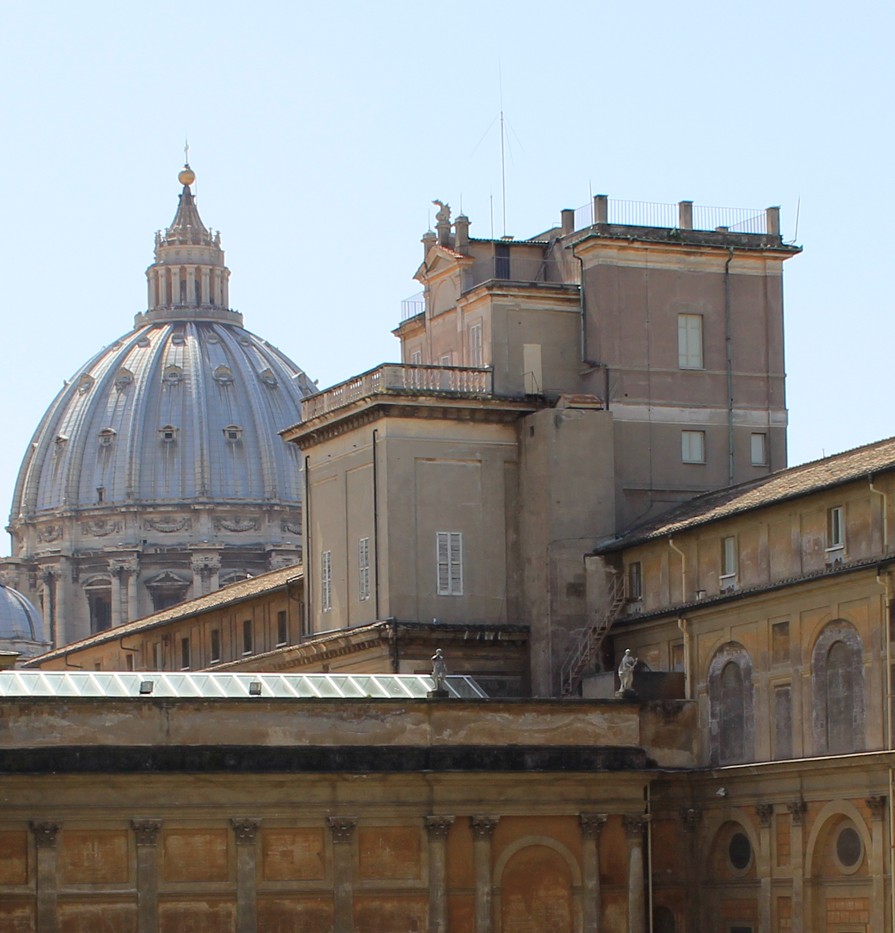
The Torre dei Venti—Tower of Winds—stands as a singular jewel nestled within the historic Leonine City of Vatican City, an edifice that transcends mere architectural grandeur to embody a pivotal moment in European intellectual history. More than simply offering breathtaking panoramic vistas of Rome—though those views are undeniably captivating—this tower represents a deliberate fusion of scientific ambition and artistic patronage during the Renaissance, resulting in a museum experience unlike any other. Constructed under Pope Gregory XIII in 1582, its cylindrical form is reinforced with arches echoing Roman architectural traditions, symbolizing an unwavering reverence for classical heritage. But within its walls resides something far more profound: a testament to humankind’s quest for knowledge and beauty—a legacy that continues to inspire awe and fascination centuries later.
Architectural Harmony & Astronomical Precision
The tower's design is meticulously conceived as both functional observatory and artistic statement. Its robust construction incorporates Roman arches, demonstrating the enduring influence of classical aesthetics on papal architecture. The interior spaces are adorned with frescoes executed by renowned Flemish artists Matthijs Bril and Paul Bril—a deliberate homage to biblical narratives and allegorical representations of the winds—reflecting the humanist ideals prevalent during the Renaissance: a conviction that human reason and observation could illuminate God’s creation. Notably, the Meridian Hall houses a bronze astrolabe and sundial, instruments painstakingly calibrated to track celestial movements—a crucial step in correcting errors within the Julian calendar and securing the adoption of the Gregorian Reform.
A Symphony of Color & Faith: Raphael's Masterpieces
The Torre dei Venti’s artistic treasures are spearheaded by paintings crafted by Raphael himself—a luminary of the High Renaissance whose genius continues to resonate across generations. Among his contributions are “La Bendición del Cristo,” a masterful depiction of Jesus offering grace, and “El Estudio para San Pablo Predicando en Atenas,” showcasing Raphael's unparalleled command of perspective and color. These artworks aren’t merely decorative embellishments; they embody the humanist spirit—a belief in human reason as a pathway to comprehending divine majesty—and serve as tangible reminders of Vatican City’s artistic heritage. Reproductions of these iconic paintings are available on OriginalUniqueArt.com, allowing enthusiasts worldwide to immerse themselves in the splendor of Renaissance art and delve into the captivating story behind this remarkable tower.
The Gregorian Calendar Reform: A Turning Point
The Torre dei Venti's significance extends beyond its aesthetic beauty; it is inextricably linked to one of the most transformative events in European history—the implementation of the Gregorian calendar reform initiated by Pope Gregory XIII. Prior to 1582, the Julian calendar suffered from inaccuracies that gradually eroded its precision over time, impacting agricultural cycles and undermining religious observances. The tower’s observatory played a crucial role in facilitating this momentous correction—a testament to papal scholars' dedication to advancing scientific understanding and upholding the integrity of Christian tradition.
Panoramic Rome & Artistic Legacy
From its lofty vantage point within Vatican City, the Torre dei Venti offers unparalleled panoramic vistas of Rome—a breathtaking panorama that captures the grandeur of imperial monuments and the vibrancy of urban life. But perhaps its most enduring legacy lies in its ability to inspire contemplation—to prompt visitors to consider the intersection between art, science, and faith as drivers of cultural progress. The Torre dei Venti stands as a beacon of Renaissance ingenuity—a place where one can marvel at Raphael’s paintings alongside the precision of astronomical instruments—a testament to Vatican City's artistic heritage and its enduring contribution to human knowledge.
### Notable Exhibitions:
Throughout its history, the Torre dei Venti has hosted exhibitions showcasing astronomical instruments and reproductions from across Europe. Recent displays have explored connections between Renaissance art and scientific thought, prompting visitors to reconsider conventional interpretations of cultural developments—a testament to Vatican City’s role as a center for intellectual exchange and artistic innovation.