Un Testimonio Vivo del Alma Intelectual de Núremberg
En el corazón de Baviera, donde las calles empedradas de Núremberg susurran relatos de grandeza renacentista, se erige la Stadtbibliothek . Más que un mero repositorio de libros, esta institución funciona como una profunda intersección entre la historia y el arte, un lugar donde los ecos de los siglos convergen dentro de muros que respiran con significado cultural. Adentrarse en la Stadtbibliothek es entrar en un santuario del conocimiento que ha evolucionya desde una capilla de un monasterio dominico medieval hasta convertirse en un faro vibrante y moderno de aprendizaje. Tanto para el amante del arte como para el historiador, ofrece una visión excepcional del tejido mismo del espíritu perdurable de Núremberg, actuando como un puente entre las búsquedas eruditas del pasado y las exploraciones creativas del presente.
La narrativa arquitectónica de la biblioteca es tan cautivadora como los tesoros que protege. El edificio actual, un ejemplo impactante del estilo Neogótico , fue encargado en 1897 para conmemorar la visita de Guillermo II, simbolizando un período de intenso refinamiento cultural y progreso para la ciudad. Esta elegancia estructural proporciona un telón de fondo majestuoso para las posesiones más preciosas de la biblioteca. En sus salas, se encuentra una asombrosa colección de libros raros y manuscritos que abarcan desde la era medieval hasta la Ilustración. Estos no son simplemente objetos de estudio, sino artefactos del pensamiento humano, que ofrecen un acceso sin precedentes a textos originales que iluminan el paisaje intelectual de la región de Franconia.
Una Convergencia de Historia e Innovación Digital
La verdadera magia de la Stadtbibliothek reside en su capacidad para armonizar el peso de la tradición con el pulso de la modernidad. Si bien alberga un archivo invaluable de historia local —que incluye mapas detallados de la expansión urbana y crónicas de eventos históricos fundamentales—, también abraza la frontera digital a través de ambiciosos proyectos de digitalización que permiten a investigadores de todo el mundo tocar los bordes del patrimonio de Núremburgo. Esta dualidad se captura perfectamente en sus notables exposiciones, tales como “Núremberg a través del tiempo,” la cual exhibe las obras maestras de Alberto Durero. Estas muestras hacen más que presentar arte; contextualizan la cultura visual de la ciudad, permitiendo a los visitantes presenciar cómo la precisión de los maestros del Renacimiento moldeó la identidad de una región.
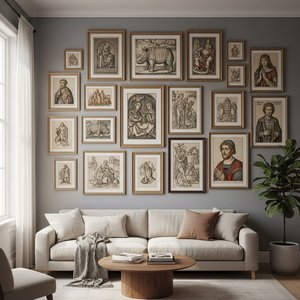
Para coleccionistas y diseñadores en busca de inspiración, la colección de la biblioteca ofrece una clase magistral de detalle y simbolismo. Uno no puede contemplar los tesoros de la biblioteca sin reflexionar sobre la técnica meticulosa que se encuentra en obras como el grabado de Durero, “Dique seco en Hallertürelein.” La precisión monocromática de tales grabados refleja la propia arquitectura de la ciudad: un testimonio de una era donde la investigación científica y la brillantez artística estaban inextricablemente ligadas. Ya sea explorando el legado de la revolución de la imprenta o asistiendo a un taller contemporáneo, los visitantes descubren que la Stadtbibliothek no es un monumento estático, sino un ecosistema floreciente de creatividad que continúa salvaguardando e inspirando el rico patrimonio artístico de Núremberg.