
Un santuario gótico de maestría flamenca
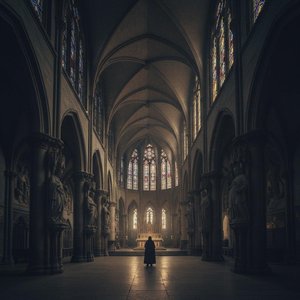
Enclavada en el corazón histórico de Lovaina, Bélgica, la Sint-Jacobskerk se erige como un profundo testimonio del alma artística y la resiliencia arquitectónica de la ciudad. Cruzar sus puertas es dejar atrás el mundo moderno para adentrarse en una crónica viva de fe y grandeza flamenca. La imponente fachada de la iglesia, arraigada en las tradiciones románicas pero florecida como una obra maestra gótica durante el siglo XV, sirve como puerta de entrada a una era de artesanía sin igual. Bajo la guía visionaria de Matheus de Layens , el célebre arquitecto del ayuntamiento de Lovaina, el transepto fue construido meticulosamente entre 1457 y 1488, creando un ritmo estructural que equilibra una verticalidad ascendente con la solemnidad íntima requerida para el culto sagrado.
El interior de la Sint-Jacobskert no es meramente un espacio para la liturgia, sino una galería curada del brillo de los Primitivos Flamencos. La joya de la corona de esta colección es, sin duda, la pintura monumental de Quentin Massys , ‘El Entierro’ . Ejecutada alrededor de 1517, esta obra maestra trasciende los límites de la mera representación religiosa para convertirse en una experiencia emocional inmersiva. A través de su capacidad inigualable para plasmar detalles meticulosos y un profundo sufrimiento humano, Massys captura el dolor pesado y palpable de María Magdalena y Nicodemo. La forma en que la luz cae sobre el cuerpo sin vida de Cristo, plasmado con un realismo asombroso que define el espíritu del Renacimiento, invita a los espectadores a un momento de silenciosa contemplación espiritual que ha cautivado a coleccionistas y peregrinos durante siglos.
Un tapiz de herencia escultórica y artística
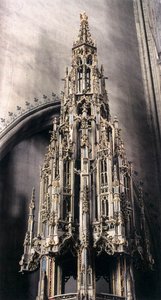
Más allá de la brillantez singular de Massys, la iglesia alberga un rico tapiz de esculturas religiosas y obras secundarias que iluminan la amplitud de la iconografía flamenca. La presencia de tallas intrincadas, notablemente aquellas influenciadas por la mano de Rumoldus Mercator , proporciona un contrapunto escultórico a las narrativas pictóricas en los muros. Estas obras, que van desde delicados objetos litúrgicos hasta figuras religiosas de dimensiones monumentales, muestran la evolución de los estilos artísticos desde finales de la Edad Media hasta el periodo Barroco. Para el historiador del arte o el diseñador de interiores en busca de inspiración, estas texturas y formas ofrecen una clase magistral sobre cómo el arte sacro puede definir la atmósfera de un espacio, fusionando la piedra pesada con una luz etérea.
Lo que verdaderamente distingue a la Sint-Jacobskerk es su papel como un monumento vibrante y vivo que permanece profundamente entrelazado con la comunidad local. Ha sobrevivido a los tumultuosos cambios de la historia belga —desde la era de las indulgencias papales hasta las convulsiones religiosas de la Reforma— emergiendo no como una reliquia estancada, sino como un centro revitalizado para la exploración cultural. Las renovaciones recientes han preservado cuidadosamente su integridad histórica, asegurando al mismo tiempo que sus tesoros sigan siendo accesibles para una nueva generación de admiradores. Para aquellos cautivados por la intersección entre el esplendor arquitectónico y las profundas dimensiones de la emoción humana, la Sint-Jacobskerk ofrece un encuentro inolvidable con el corazón mismo de la herencia flamenca.