Menú
Asesoría de arte gratuita

Seminario del Obispado

Información clave

  • Works on APS: 2
  • Location: Eger, Hungría
  • Alternate names: Seminario del Obispado
  • Featured artists: johann lucas kracker

Test de arte

Cada pregunta tiene una única respuesta correcta.

Pregunta 1:
¿Qué estilo arquitectónico caracteriza el complejo palaciego del Seminario?
Pregunta 2:
¿El conjunto artístico del Seminario destaca especialmente por obras creadas por qué artista reconocido?
Pregunta 3:
¿Cuál es el papel fundamental de la historia del Seminario en la identidad cultural húngara?
Pregunta 4:
¿Qué representan principalmente los objetos litúrgicos que se encuentran en el Seminario?
Pregunta 5:
¿Dónde está ubicado el Seminario?

Bishopric Seminary: A Sanctuary of Hungarian Baroque Splendor

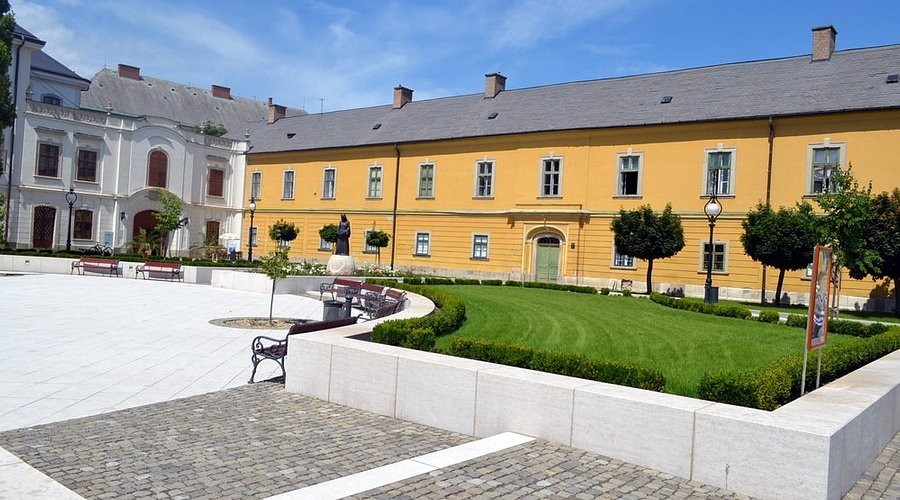
The Bishopric Seminary in Eger, Hungary, stands as a testament to the enduring legacy of Hungarian baroque art and ecclesiastical history. More than just a building; it’s an immersive experience transporting visitors back to the opulent 18th century—a period defined by fervent faith and artistic innovation. Located in the heart of Heves County, this seminary complex offers a rare glimpse into the spiritual life and cultural achievements of its time.

A Legacy Etched in Stone: Architectural Grandeur

Originally established as a center for theological education, the Seminary’s palace embodies the Baroque style prevalent across Hungary during that era. Constructed with meticulous attention to detail, it showcases soaring ceilings adorned with frescoes depicting biblical scenes—a deliberate effort to inspire contemplation and devotion. The façade is characterized by symmetrical proportions and classical ornamentation, reflecting the influence of European architectural trends while firmly rooted in Hungarian traditions. Its central courtyard provides a tranquil space for reflection, surrounded by meticulously landscaped gardens that complement the palace’s grandeur. Visitors can admire intricate stucco moldings, gilded accents, and monumental staircases—elements characteristic of Baroque palaces designed to impress and elevate the spirit.

Treasures Within Walls: Artistic Highlights

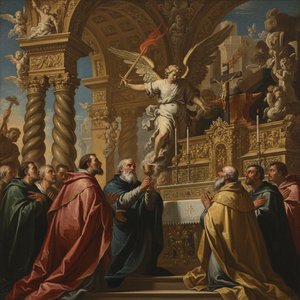
The Seminary's collection distinguishes itself through its remarkable concentration of religious artworks—a priceless inheritance spanning centuries. Visitors are immediately captivated by canvases bearing the unmistakable signature of Canaletto and Ceruti, artists renowned for their masterful depictions of Venetian landscapes and portraits alike. These paintings exemplify the Baroque penchant for dramatic lighting and idealized forms, conveying profound spiritual messages. Beyond these celebrated masterpieces, the collection encompasses sculptures crafted from alabaster and marble—each piece imbued with symbolic significance and reflecting the artistic sensibilities of Hungarian sculptors. Furthermore, liturgical objects – candlesticks, altar cloths, crucifixes – illuminate the Seminary’s history as a place of worship and prayer. The meticulous preservation of these artworks underscores the importance of safeguarding Hungary's cultural heritage for future generations.

Echoes of Faith: Historical Significance

Throughout its centuries-long existence, the Bishopric Seminary has served as an integral component of Eger's religious landscape—a beacon of Catholic faith and scholarship. Its role extended beyond mere education; it actively participated in shaping Hungarian cultural identity during pivotal moments in history. Notably, the Seminary endured significant challenges during the Austro-Hungarian era, particularly amidst the Hungarian Revolution of 1848–49, where its buildings served as a refuge for revolutionaries—a poignant reminder of Hungary’s turbulent past and unwavering spirit. The Seminary's architectural evolution reflects the changing social and political contexts of Hungarian history, demonstrating resilience and adaptability throughout successive periods.

A Window to Baroque Hungary

The Bishopric Seminary isn't merely a repository of art; it’s an invitation to delve into the artistic and spiritual ethos of 18th-century Hungary. Its meticulously preserved interiors offer unparalleled insight into the tastes, beliefs, and aspirations of its time—a captivating destination for anyone seeking to appreciate the beauty of Hungarian baroque heritage. The Seminary continues to host exhibitions showcasing both its permanent collection and temporary displays exploring broader themes related to Hungarian art history and religious culture. Don’t miss the opportunity to explore this extraordinary monument to faith and artistic excellence!

Catálogo de obras de arte

No se encontraron obras de arte.