Unearthing Genoa’s Roman Legacy: Exploring Santa Maria della Cella
Santa María della Célula stands as a beacon of Ligurian heritage—a singular institution where the echoes of antiquity resonate within the walls of a basilica that embodies centuries of artistic evolution. Located in the heart of Génova, this museum transcends the conventional boundaries of art preservation; it presents visitors with an unparalleled opportunity to immerse themselves in Genoa’s formative past, revealing layers of influence from Celtic settlements through the grandeur of the Roman Empire and beyond.A Basilica Born From Ruins: Architectural Context
The basilica itself—Santa Maria di Castello—holds a history as captivating as its excavated treasures. Originally erected in the XIIth century upon the site of an ancient Roman fortificaion, this monumental structure isn’t merely a building; it's a living testament to Genoa’s resilience and adaptability throughout time. The ingenious decision to integrate the ruins of Pompeii into the basilica’s design—a bold artistic statement—creates a dialogue between eras that is both intellectually stimulating and emotionally resonant. Architects like Galeazzo Alessi, Francesco Giovanni Baratta and Carlo Maratta meticulously crafted this space, reflecting the stylistic nuances of the Renaissance and Baroque periods.The Roman Soul Within: Collection Highlights
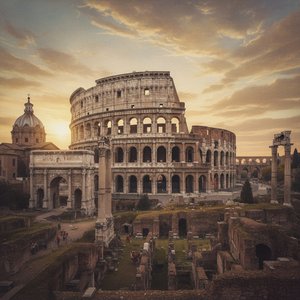
At the core of Santa María della Célula’s renown lies its extraordinary collection of Roman artifacts—a remarkable assemblage that offers an intimate glimpse into life in ancient Génova. Visitors can marvel at meticulously reconstructed mosaics depicting mythological scenes, mirroring the artistic sophistication of Roman Genoa and demonstrating the enduring fascination with classical narratives. Furthermore, fragments of monumental sculptures—particularly those attributed to Apollonio Domenichini—speak to the ambition and artistry of a city striving for greatness during its imperial zenith.- Roman Ruins: Explore remarkably preserved vestiges of Pompeii’s past, showcasing intricate architectural details and offering glimpses into daily life during that era.
- Artifact Collection: Examine a diverse array of objects—pottery shards bearing Roman inscriptions, tools crafted with remarkable precision, and fragments of monumental sculptures—each object whispering tales of ambition, innovation, and cultural exchange.
Echoes of Byzantium: Recent Exhibitions
Recent exhibitions have illuminated the profound influence of Byzantine art on Ligurian culture—demonstrating how Genoa absorbed artistic traditions from distant empires while maintaining its own distinctive identity. These explorations underscore the museum’s commitment to fostering a comprehensive understanding of Genoa’s artistic heritage, inviting visitors to contemplate not just what happened but *how* it unfolded.A Unique Experience: Why Visit Santa María della Célula?
What distinguishes Santa María della Célula is undeniably its immersive experience—a departure from the static confines of traditional museums. Here, visitors can wander through the excavated ruins alongside the basilica’s soaring nave, fostering a profound appreciation for the interplay of history and artistry. It's an invitation to contemplate not just what happened but *how* it unfolded—a truly unforgettable journey into Genoa’s captivating past.This museum is particularly appealing to art historians specializing in Roman archaeology, collectors interested in Ligurian antiquities, and interior designers seeking inspiration for spaces that evoke timeless elegance and cultural richness.
### Additional Resources: For those wishing to deepen their understanding of Génova’s artistic legacy, consider exploring the artworks featured in our database—particularly Apollonio Domenichini's “Venice” and “The Piazzetta,” which capture the splendor of Venetian art during the Baroque period. Also, don’t miss John Singer Sargent’s evocative depiction of Santa Maria della Salute.