

A Jewel of Naples’ Gothic Legacy: Exploring Santa Chiara Monastery Complex
Nestled in the heart of Naples, Italy, Santa Chiara stands as a testament to architectural innovation and spiritual devotion—a UNESCO World Heritage Site that captivates visitors with its blend of Gothic grandeur and Baroque artistry. Founded in 1313 by Queen Sancha of Majorca and King Robert of Naples, this monastic complex represents more than just stone and mortar; it embodies centuries of history, artistic achievement, and the enduring legacy of Franciscan and Clarissan traditions.The church’s distinctive rectangular plan distinguishes itself from conventional ecclesiastical structures through its absorption of lateral chapels—a bold design choice reflecting the pioneering spirit of its builders. This innovative approach immediately signaled Santa Chiara's ambition to transcend mere formality, prioritizing a space conducive to contemplation and prayer.
Royal Patronage & Historical Significance
Commissioned by royalty, Santa Chiara houses the tomb of King Robert of Anjou alongside other noble tombs within the church—each a poignant reflection of the era’s political landscape. More profoundly, it enshrines relics of Saint Louis of Toulouse, including a remarkably preserved brain encased in an ornate reliquary – tangible reminders of pivotal moments in European history and demonstrating the fervent piety characteristic of the medieval period.
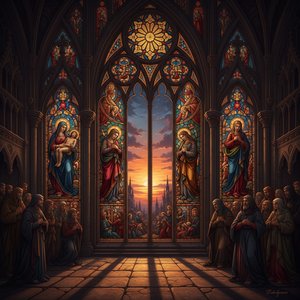
The church’s interior is dominated by a soaring altar flanked by the nuns' choir, illuminated by magnificent stained glass windows that bathe the sacred space in ethereal light. The bell tower, begun in 1328 and completed during the Renaissance, punctuates the cityscape with its elegant silhouette, symbolizing faith and aspiration.
Treasures Within Walls: Collection Highlights
Among Santa Chiara’s treasures are several remarkable artworks that illuminate Naples’ artistic heritage. The tomb sculptures depict royal figures—a poignant reflection of the era’s political landscape—while Baroque frescoes by Giuseppe Bonito and Francesco De Mura adorn the walls, showcasing masterful brushstrokes and vibrant colors. Furthermore, the Archaeological Museum houses artifacts unearthed during excavations surrounding the monastery, providing invaluable insights into Naples’ ancient past.
- Royal Tombs: The tomb of King Robert of Anjou stands alongside other noble tombs within the church—each a testament to artistic skill and commemorative tradition.
- Saint Louis Relics: The preserved brain of Saint Louis of Toulouse, housed in an elaborate reliquary, exemplifies the veneration for saints that characterized medieval piety.
A Pioneering Space: Architectural Innovation & Spiritual Tradition
What truly sets Santa Chiara apart is its architectural ingenuity—it was the first Clarissan church where nuns could observe Mass from their choir, symbolizing a radical departure from established practices and prioritizing contemplative prayer. This innovative design underscores the monastery’s commitment to fostering spiritual reflection alongside artistic expression.
Recent exhibitions have showcased Santa Chiara's significance as a cultural landmark, attracting scholars and art enthusiasts from across Europe. The museum continues to inspire artists and designers alike—its serene atmosphere and evocative architecture serving as a source of inspiration for contemporary creations.
Located at Via Benedetto Croce, 1 Napoli, Italy, this UNESCO World Heritage Site welcomes visitors eager to explore its captivating treasures.