

Índice
Información clave
- Location: Venecia, Italia
- Featured artists:
- giambattista tiepolo
- Sebastiano Ricci
- giovanni battista piazzetta
- giambattista pittoni
- Alternate names:
- San Stae
- Santiago Estacio
- Saint Eustachius
- Works on APS: 4
Test de arte
Cada pregunta tiene una única respuesta correcta.
Pregunta 1:
¿Qué estilo arquitectónico caracteriza la fachada de San Stae?
Pregunta 2:
¿Quién es conocido por sus escenas religiosas tardías y género que representan en pinturas como Giuseppe Angeli?
Pregunta 3:
¿Las esculturas de Antonio Corradini en San Stae son notables por su:
Pregunta 4:
¿San Stae ha sido sometida a varias renovaciones desde su fundación, reflejando:
Pregunta 5:
¿Qué hace que San Stae sea un monumento cultural distintivo?
Artistas en la colección

Giambattista Tiepolo
Descubre Giambattista Tiepolo: Maestro de frescos barrocos y pinturas! Explora sus escenas dramáticas, colores vibrantes y legado en Venecia y más allá.


Sebastiano Ricci
Descubre a Sebastiano Ricci (1659-1734), pintor veneciano barroco de frescos luminosos y estilo grandioso. Explora sus obras como 'Baco y Ariadna' y el legado de este artista italiano.

Giovanni Battista Piazzetta
¡Explore las cautivadoras pinturas rococó de Giovanni Battista Piazzetta! Conocido por escenas misteriosas, vida campesina y temas religiosos, su arte mezcla calidez y drama.
Artículos relacionados

Theatricality & Triumph: Baroque Drama in Painting & Sculpture
Explore the dramatic world of Baroque art! Discover its history, defining characteristics, & lasting influence on painting & sculpture. Expert insights into Caravaggio, Zurbarán, and Bernini – plus high-quality reproductions at OriginalUniqueArt.
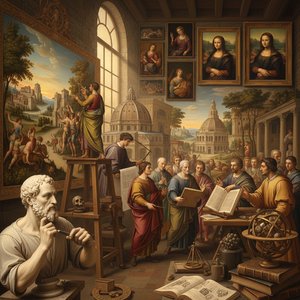
El Legado Duradero del Arte Renacentista: Innovación, Humanismo y Maestría
Descubre el legado del arte renacentista: innovación, humanismo y la maestría de artistas como Leonardo da Vinci y Miguel Ángel. Explora su influencia perdurable con .

El Lienzo Espacial: Redefiniendo la Identidad Interior a Través de Pinturas Personalizadas
Transforma tu hogar con arte personalizado de calidad museística. Expertos artistas crean lienzos únicos que reflejan tu estilo y emociones. Asesoramiento gratuito y reproducciones hechas a mano.
Catálogo de obras de arte
No se encontraron obras de arte.


Suscríbete a nuestro boletín informativo
Manténgase al día con las últimas noticias de arte, ofertas exclusivas e ideas de decoración.
Obtén 3 sugerencias de arte gratuitas
Cuéntanos sobre tu proyecto y nuestros expertos en arte te ofrecerán 3 sugerencias de obras personalizadas.
Not Sure Where to Start?
Let Us Curate 3 Options Just for You - Free!