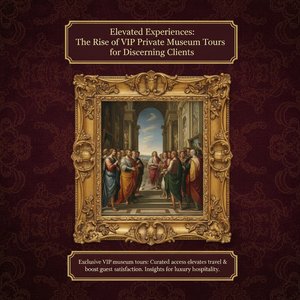


Sala Clementina: A Papal Canvas
The Sala Clementina stands as a testament to the artistic fervor of Renaissance Rome, housed within the Vatican’s Pio Clementino Museum—a space where history whispers through frescoed walls and celebrates papal patronage. More than just a room filled with art; it embodies an era defined by ambition, faith, and unparalleled creative achievement.
Commissioned by Pope Clement VIII at the twilight of the sixteenth century, this hall wasn’t conceived solely for ceremonial gatherings. Rather, it served as a deliberate statement of papal power—a visual declaration that resonated throughout Europe. Its architect, Domenico Fontana, skillfully blended classical ideals with humanist sensibilities, crafting an interior that mirrored the grandeur of its time.
Frescoes That Whisper Stories
The Sala Clementina’s true splendor lies in its breathtaking frescoes, executed by some of Italy's most celebrated artists. These aren’t mere decorative embellishments; they are meticulously crafted narratives—visual chronicles of biblical history and celebrations of papal triumphs. Artists like Cherubino Alberti demonstrated a masterful transition from Mannerism to the burgeoning Baroque style, capturing the spirit of the Counter-Reformation with breathtaking detail.
Consider Giulio Romano’s monumental work in the Sala di Psiche—a masterpiece that exemplifies the artistic exchange flourishing within these walls and profoundly influenced the overall aesthetic of the Clementina Hall. Each fresco is a window into theological debates, political maneuvering, and the humanist quest for knowledge—elements interwoven to create an immersive experience for any visitor.
A Stage for History
Throughout its centuries-long history, the Sala Clementina has witnessed pivotal moments shaping papal tradition and European politics. From formal receptions of dignitaries to solemn ceremonies honoring saints and martyrs, it served as a focal point for papal life—a space imbued with palpable significance.
Perhaps most poignant is its role as the final resting place for Pope John Paul II’s body during his private vigil—a tradition reflecting the deep spiritual connection between the Vatican and its history. This intimate association lends an aura of reverence to the hall, reminding visitors that they stand within a space inextricably linked to centuries of faith and leadership.
What Makes It Unique
The Sala Clementina distinguishes itself from other museums through its singular combination of artistic brilliance, historical importance, and architectural splendor. Its location within the Pio Clementino Museum—adjacent to St Peter’s Basilica—amplifies its impact, offering visitors an unparalleled opportunity to immerse themselves in the heart of Vatican culture.
More than just a collection of artworks; it's a living testament to papal ambition and artistic innovation—a space where history unfolds alongside beauty. Exploring the Sala Clementina is akin to stepping back in time, encountering the legacy of Renaissance masters and experiencing the grandeur of papal Rome at its zenith.