Menú
Asesoría de arte gratuita

Plaza de Oriente

Información clave

  • Location: Madrid, España
  • Featured artists: Pietro Tacca
  • Alternate names:
    • Plaza de Oriente
    • Plaza de Oriente Square in Madrid
  • Works on APS: 1

Test de arte

Cada pregunta tiene una única respuesta correcta.

Pregunta 1:
¿Quién diseñó la Plaza de Oriente?
Pregunta 2:
¿Qué estilo arquitectónico caracterizó el diseño de la Plaza de Oriente?
Pregunta 3:
La Plaza de Oriente es principalmente conocida por su colección de:
Pregunta 4:
¿Qué monumento emblemático se encuentra al oeste de la Plaza de Oriente?
Pregunta 5:
¿Dónde puedes encontrar fácilmente el Museo Arqueológico Nacional?

Plaza de Oriente: Una Vista Real en Madrid

The Plaza de Oriente stands as a magnificent testament to Madrid’s artistic soul and royal heritage—a space where history whispers alongside breathtaking beauty. Situated between the majestic Royal Palace and Teatro Real, this expansive square invites visitors on an immersive journey through centuries of Spanish culture and architectural innovation. Designed in 1844 by French architect Charles Ribera, Plaza de Oriente wasn't merely conceived as a passageway; it was envisioned as a deliberate homage to the grandeur of Parisian squares—a bold statement of regal aspiration and artistic ambition.

Historical Context: The Birth of a Regal Vision

The impetus for Plaza de Oriente’s creation stemmed from King Joseph I’s determination to establish a dignified public space for ceremonial occasions and celebrations, solidifying Madrid's position as the capital of Spain. Prior to Ribera’s intervention, the plaza was occupied by medieval dwellings—a chaotic jumble of buildings that clashed with the aspirations of the Bourbon monarchy. Recognizing the need for order and harmony, Joseph I commissioned the demolition of these structures, paving the way for Ribera’s transformative design.

Architectural Design: Symmetry and Grandeur

Ribera skillfully employed symmetrical layouts and monumental proportions—characteristic of Parisian squares—to create an atmosphere of formality and prestige. The plaza's design prioritized visual harmony and grandeur, reflecting the values of the Bourbon monarchy. The careful consideration of materials—primarily limestone—contributed to the plaza’s enduring solidity and timeless elegance. Ribera’s architectural vision sought to elevate Plaza de Oriente beyond mere functionality, transforming it into a symbol of royal power and artistic excellence.

Sculptural Gallery: A Chronicle of Monarchs

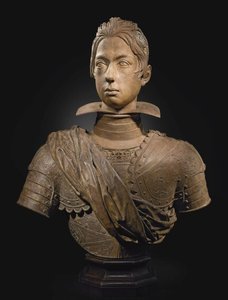
The Plaza de Oriente's most captivating feature is undoubtedly its remarkable collection of sculptures depicting Spanish monarchs spanning centuries. These statues—a total of 44—are arranged along the perimeter of the square, presenting a chronological narrative of Spain’s royal lineage. Each sculpture serves as a tangible link to pivotal moments in Spanish history and embodies artistic mastery. Pietro Tacca's colossal equestrian statue of King Philip IV—a masterpiece of Baroque sculpture—dominates the plaza, capturing the king’s regal bearing and symbolizing Spain’s enduring monarchy. The statue’s intricate detailing and masterful craftsmanship exemplify the highest standards of artistic achievement during its time.

Gardens & Landscaping: Tranquility Amidst Majesty

Complementing the architectural grandeur is Plaza de Oriente's meticulously maintained gardens—a verdant oasis offering visitors a respite from the city’s bustle. These tranquil spaces adhere to classical principles of symmetry and balance, featuring fountains that cascade gracefully amidst lush floral displays—a deliberate contrast to the formality of the plaza itself. The garden design reflects the ideals of Enlightenment aesthetics, emphasizing order and harmony alongside natural beauty. Furthermore, the gardens provide a stunning backdrop for artistic performances and exhibitions—enhancing Madrid’s cultural landscape.

Notable Exhibitions & Artistic Legacy

Throughout its history, Plaza de Oriente has served as a stage for numerous artistic events and exhibitions—demonstrating Madrid's commitment to fostering creativity and cultural engagement. From grand celebrations honoring royal anniversaries to contemporary art installations exploring themes of identity and heritage, the plaza continues to inspire artists and captivate audiences alike. Its enduring presence in Madrid’s cultural memory underscores its significance as a landmark of Spanish artistic tradition—a place where beauty and history converge seamlessly.