Menú
Asesoría de arte gratuita

Place Royale

Información clave

  • Works on APS: 1
  • Alternate names:
    • Place Royale
    • Place de la Bourse
    • Place de la Bourse, Burdeos
    • Plaza de la Bolsa
    • place de la Bourse
  • Location: Burdeos, Francia
  • Featured artists: nicolas bernard raggi

Test de arte

Cada pregunta tiene una única respuesta correcta.

Pregunta 1:
¿Cuál es el nombre de la plaza más famosa de Burdeos?
Pregunta 2:
¿En qué siglo se construyó originalmente la Place Royale?
Pregunta 3:
¿Quién diseñó el Palacio de la Bourse y el Hôtel des Douanes?
Pregunta 4:
¿Qué monumento simboliza la fuente monumental de Place Royale?
Pregunta 5:
¿Por qué Place de la Bourse es considerada Patrimonio Mundial por UNESCO?

Place Royale: A Symphony of Stone and Water

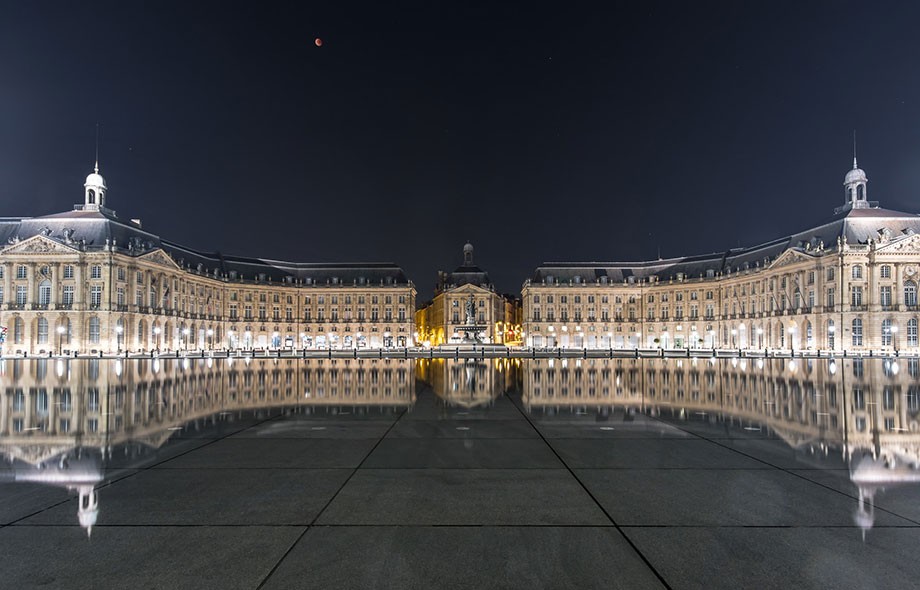
The Place de la Bourse stands as a testament to Bordeaux’s enduring spirit—a city that has embraced both tradition and innovation, forging an identity rooted in its rich past while confidently looking toward the future. Established in 1730 under the patronage of Intendant Boucher and Tourny, this UNESCO World Heritage Site represents more than just a beautiful square; it embodies the ambition of the Enlightenment era and stands as one of France’s most remarkable urban achievements. The visionaries behind its creation—Jacques Gabriel and his son Ange-Jacques Gabriel—were also architects of Versailles, demonstrating their mastery of neoclassical design principles and elevating Bordeaux to the status of European grandeur. A Dialogue Between Ages: Architecture and Symbolism The square's dominant feature is undoubtedly its striking symmetry, a hallmark of neoclassicism that reflects the desire for order and harmony prevalent during the 18th century. Framing this expansive space are two monumental pavilions—the Palais de la Bourse and the Hôtel des Douanes—each meticulously crafted to express regal authority and commemorate Bordeaux’s role as a vital trading port. The Palais de la Bourse, now housing the Chamber of Commerce and Industry, showcases exquisite sculptural detail—representations of Minerve protecting the arts and Mercury favoring commerce—a subtle reminder of the city's intellectual heritage. Across from it stands the Hôtel des Douanes, which houses the National Museum of Customs, offering visitors a glimpse into Bordeaux’s maritime history and showcasing artifacts spanning centuries. The Mirror’s Embrace: A Contemporary Reflection Adding to this architectural grandeur is Michel Corajoud’s *Miroir d'eau*, inaugurated in 2006—a groundbreaking innovation that has captivated tourists and locals alike. This reflecting pool doesn’t merely mirror the surrounding buildings; it actively engages with them, creating an illusion of seamless continuity between stone and sky. The shallow water invites interaction – children splash playfully, while adults pause to admire their reflections merging with the majestic facades. It's a space that transcends its historical context, demonstrating how artistic vision can adapt to modern sensibilities without sacrificing beauty or elegance. A Legacy of Prosperity and Vision The Place de la Bourse’s history is inextricably linked to Bordeaux’s economic success during the 18th century—a period marked by unprecedented growth in trade and commerce. The square served as a focal point for this prosperity, attracting merchants, artisans, and intellectuals from across Europe. Its enduring appeal lies in its ability to transport visitors back in time, allowing them to experience the grandeur of Bordeaux’s golden age. For art lovers, it offers an unparalleled opportunity to contemplate neoclassical architecture at its finest; for collectors, it inspires admiration for a city renowned for its artistic patronage and cultural heritage; and for interior designers, it serves as a model for creating spaces that embody elegance, balance, and timeless beauty. Exploring Bordeaux’s Artistic Soul: Notable Exhibitions and Beyond Beyond its architectural splendor, the Place de la Bourse hosts numerous exhibitions showcasing both local and international artists—a testament to Bordeaux’s commitment to fostering creativity and cultural exchange. Visitors can immerse themselves in diverse artistic mediums, from painting and sculpture to photography and multimedia installations, enriching their understanding of Bordeaux's vibrant cultural landscape. Furthermore, the square’s central location facilitates access to Bordeaux’s numerous museums and galleries, inviting exploration and discovery—a celebration of art that extends far beyond the confines of its historic walls.