Piazza IV Novembre: Umbria’s Artistic Soul
Perugia's Piazza IV Novembre isn’t simply a square; it’s a living testament to Umbrian history—a captivating panorama of artistic evolution and civic grandeur that unfolds before your eyes. Unlike hushed museum halls, this open-air space pulsates with the echoes of centuries past, inviting visitors to immerse themselves in its layered narratives alongside breathtaking architectural splendor.
A Medieval Marvel: Sculptural Reliefs & The Fontana Maggiore
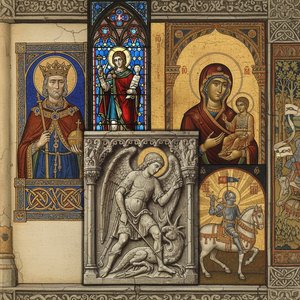
The Piazza’s story begins long before the Renaissance, rooted in Roman foundations but blossoming into a medieval masterpiece thanks to remarkable sculptural reliefs dating back to the XIII century. These carvings—executed with meticulous detail by masters like Nicola Pisano and Giovanni Pisano—offer an unparalleled glimpse into the artistic sensibilities of the era, reflecting influences from Gothic and Romanesque traditions. Dominating the Piazza is Fontana Maggiore, a UNESCO World Heritage Site created between 1275 and 1277. Its sculptures depict biblical narratives alongside allegorical figures—each meticulously carved to convey moral lessons and inspire awe. Pisano’s mastery of stone carving is evident in the fountain’s dynamic poses and expressive faces, demonstrating a revolutionary approach to sculpture that foreshadowed innovations in subsequent generations.
The Cathedral: Gothic Majesty & Civic Symbolism
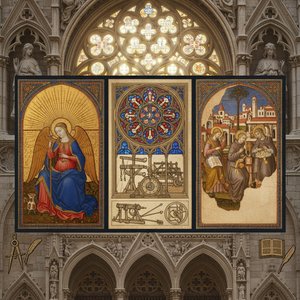
At Piazza IV Novembre's heart stands Perugia Cathedral (Duomo), a monumental testament to Umbrian Gothic architecture. Constructed between 1345 and 1490, its soaring spire and intricate stained glass windows illuminate the interior space with ethereal light, transporting visitors into a realm of spiritual contemplation. The cathedral’s façade embodies the ambition and artistry characteristic of its time—a symbol of Perugia's enduring faith and civic identity.
Palazzo dei Priori: Gothic Echoes in Civic Space
Adjacent to the Cathedral is Palazzo dei Priori—a striking example of Umbrian Gothic architecture that now houses Perugia’s city hall. Constructed during the XIV century, this palace retains its original grandeur and incorporates decorative elements characteristic of the Gothic style. Its arched windows and ribbed vaults contribute to a sense of solemn beauty. The palazzo's walls are adorned with paintings dating back to the Renaissance period, showcasing artistic talent from a later era alongside Gothic architectural heritage.
A Tapestry of Eras: Piazza’s Architectural Legacy
The Piazza’s layout reflects its evolving history—from Roman forum to medieval stronghold and Renaissance piazza. The harmonious blend of Gothic and Renaissance styles creates a visually stimulating environment, inviting contemplation on the passage of time and the enduring legacy of artistic innovation. This unique architectural ensemble underscores Perugia's position as a crossroads of cultural influences—a place where art and history converge to inspire wonder and fascination.
Visiting Piazza IV Novembre is more than just sightseeing; it’s an encounter with Umbrian heritage—a chance to witness art and architecture come alive in a space that continues to captivate visitors from around the globe.