Palazzo Reale - Turin’s Regal Legacy
The Palazzo Reale in Turin, Italy, stands as a testament to the grandeur of Savoy history and artistic achievement. Recognized globally as a UNESCO World Heritage Site—alongside thirteen other residences of the House of Savoy—this magnificent palace offers visitors an unparalleled journey back to Europe’s Baroque era and showcases a remarkable fusion of royal patronage, architectural innovation, and breathtaking art collections.
Its imposing façade dominates Piazza Castello, adorned with statues commemorating Savoy monarchs and reflecting the ambition of its patrons. The building's symmetrical design incorporates classical elements alongside opulent ornamentation—a deliberate statement of royal authority and refined taste. Constructed primarily in the early 18th century under Filippo Juvarra’s masterful vision, it embodies Baroque elegance.
Architectural Marvel: A Symphony of Stone and Light
The palazzo's architectural grandeur is immediately apparent upon entering Piazza Castello. Designed with meticulous precision, its façade commands attention—a monumental achievement that speaks to the power and prestige of the Savoy dynasty. Sculptors skillfully crafted statues depicting prominent figures from Savoy’s past—including monarchs and military heroes—enhancing the palace’s visual impact.
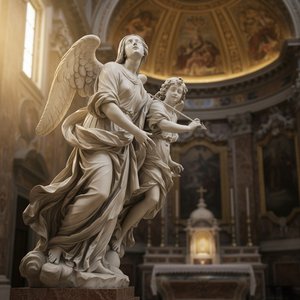
Inside, the palazzo’s interior spaces are equally impressive. Vast halls adorned with frescoes and gilded ceilings transport visitors to a bygone era of aristocratic splendor. The meticulous craftsmanship evident in every detail underscores the commitment to artistic excellence that characterized Savoy’s cultural heritage.
A History Etched in Stone: From Fortress to Flourishing Court
Originally conceived as a fortified stronghold during Roman times—Augusta Taurinorum—the palazzo underwent significant transformations throughout its history. Its evolution mirrored the fortunes of the Savoy dukedom, transitioning from a military bastion to a luxurious royal residence.
Notable renovations undertaken by Domenico Guidobono and subsequent rulers—including Victor Amadeus II—further cemented its role as a symbol of Savoy power and artistic flourishing. The palazzo hosted pivotal events in Italian history, notably the first Senate of Italy and served as a vibrant hub for cultural exchange—drawing artists, intellectuals, and diplomats from across Europe.
The Galleria Sabauda – Rembrandt’s Brilliance
No visit to Palazzo Reale is complete without exploring the Galleria Sabauda—a treasure trove of European art dating from the Renaissance to the Baroque periods. Notably housing masterpieces by Rembrandt, Botticelli, and van Eyck, this gallery represents a cornerstone of Turin’s artistic heritage.
The paintings are displayed in chronological order, allowing visitors to trace the evolution of artistic styles and techniques across centuries. The Galleria Sabauda stands as a testament to Savoy’s dedication to preserving cultural treasures—a legacy that continues to inspire admiration and scholarly inquiry.
Roman Ruins – Echoes of Turin’s Ancient Past
Beneath the palace’s opulent façade lies an unexpected connection to Turin’s Roman origins. Archaeological excavations have unearthed remnants of Roman fortifications—a tangible reminder of the city’s history as Augusta Taurinorum, a vital center of imperial administration and commerce.
These ruins offer visitors a fascinating glimpse into Turin’s past and provide context for understanding its subsequent cultural development—demonstrating that even amidst royal grandeur, Turin retains an enduring link to its illustrious Roman heritage.