Menú
Asesoría de arte gratuita

Palazzo Pfanner

Información clave

  • Alternate names:
    • Via Degli Asili
    • Palacio Pfanner
    • Palazzo Pfanner
    • Pfanner Palace
  • Featured artists: filippo juvarra
  • Location: Lucca, Italia
  • Works on APS: 1

Test de arte

Cada pregunta tiene una única respuesta correcta.

Pregunta 1:
¿Cuál es el estilo arquitectónico predominante en Palazzo Pfanner?
Pregunta 2:
¿Quién diseñó los jardines barrocos de Palazzo Pfanner?
Pregunta 3:
¿Por qué Palazzo Pfanner obtuvo reconocimiento internacional como ubicación de filmación para la película "El Marqués del Grill"?
Pregunta 4:
¿Qué colección única alberga Palazzo Pfanner?

Palazzo Pfanner: A Lucca Gem – Exploring Renaissance Elegance and Medical History

Palazzo Pfanner stands as a testament to Lucca’s rich artistic heritage, offering visitors an unparalleled journey into the splendor of Tuscany’s Renaissance past. More than just a beautiful building, it embodies a fascinating confluence of architectural styles and cultural influences—a legacy meticulously preserved for generations to come. Located in the historic center of Lucca, this palazzo is easily accessible and invites exploration by art enthusiasts and design aficionados alike.

Architectural Marvel: The Renaissance Foundation

Originally conceived in the second half of the 17th century under the patronage of Moriconi family—wealthy silk merchants who understood the importance of grandeur and artistic expression—Palazzo Pfanner initially presented a stately Renaissance façade. This deliberate reflection of Lucca’s noble traditions speaks volumes about the era's aesthetic sensibilities. Domenico Martinelli, an architect renowned for his work across Europe, notably in Prague and Vienna, undertook a monumental redesign of the palace gardens, transforming them into a breathtaking panorama overlooking Lucca—a feat that cemented Juvarra’s reputation as Italy’s foremost architectural visionary.

Juvarra's Vision: Baroque Gardens of Perfection

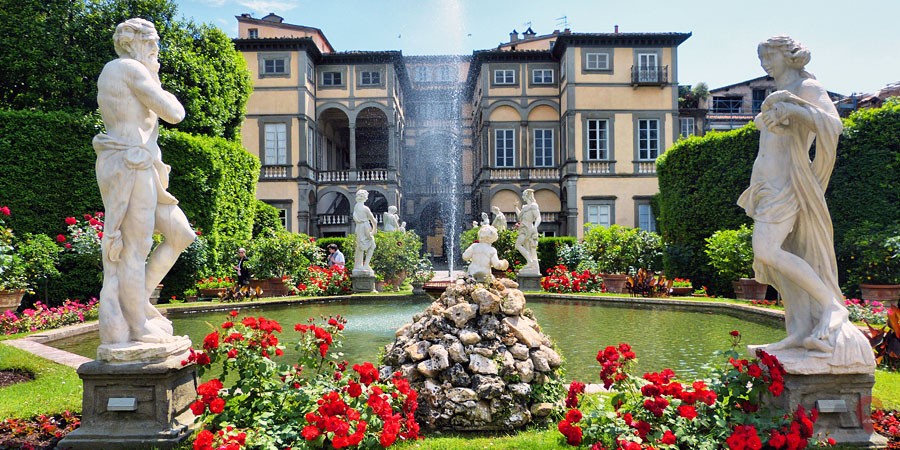
Filippo Juvarra, arguably Italy’s most celebrated architect of his time, undertook a monumental redesign of the palace gardens, transforming them into a breathtaking panorama overlooking Lucca—a feat that cemented Juvarra’s reputation as Italy’s foremost architectural visionary. These tiered landscapes are considered a pinnacle of Baroque garden design, featuring fountains sculpted with exquisite detail and meticulously manicured greenery—creating an immersive experience that transports visitors back to the 18th century. Observe how he skillfully incorporated sculptural elements into the landscape—creating an immersive experience that transports visitors back to the 18th century.

A Singular Collection: Instruments of Healing

Beyond its architectural splendor, Palazzo Pfanner houses a truly remarkable collection – antique medical instruments representing a singular treasure trove that illuminates the evolution of surgical techniques and anatomical understanding. These instruments are displayed alongside paintings and sculptures from various periods, providing visitors with a holistic appreciation for artistic creativity and scientific advancement. The palazzo’s interior spaces—adorned with frescoes depicting mythological scenes and portraits of Pfanner family members—are testament to aristocratic status and artistic ambition. Notice the intricate stucco work and gilded decorations—symbols of refined taste and opulent embellishment.

Cinematic Legacy: “Portrait of a Lady” Revisited

Palazzo Pfanner gained international recognition as a filming location for Jane Campion’s acclaimed film "Portrait of a Lady," cementing its reputation as an iconic Italian landmark. Its enduring appeal stems from the harmonious blend of architectural grandeur, botanical artistry, and intellectual curiosity—a museum experience unlike any other. The palazzo regularly hosts exhibitions showcasing both historical artworks and contemporary interpretations of Lucca’s artistic traditions.

A Timeless Inspiration: Renaissance Elegance Embodied

For interior designers seeking inspiration, Palazzo Pfanner serves as a captivating exemplar of Renaissance elegance—a space where refined ornamentation meets serene landscapes. Its meticulous preservation ensures that future generations can appreciate the enduring legacy of Lucca’s artistic spirit—a testament to Lucca's commitment to safeguarding its cultural heritage for centuries to come.