

Índice
Información clave
- Featured artists:
- Giambattista Tiepolo
- giambattista tiepolo
- Art types: arte de pared
- Location: Udine, Italia
- Movements: barroco rococó
- Ver más…
- Alternate names:
- Palazzo Patriarcale
- Palazzo Patriarcale di Udine
- Patriarchal Palace
- Patriarchal Palace of Udine
- Museo Diocesano Udine
- Works on APS: 2
- Mediums: acrílico
Test de arte
Cada pregunta tiene una única respuesta correcta.
Pregunta 1:
¿Qué es principalmente conocido el Palazzo Patriarcale?
Pregunta 2:
¿Cuándo se construyó originalmente el Palazzo Patriarcale?
Pregunta 3:
¿Quién es celebrado por decorar el Palazzo Patriarcale con monumentales frescos?
Pregunta 4:
¿Qué tipo de colección alberga el Museo Diocesano dentro del Palazzo Patriarcale?
Pregunta 5:
¿Qué estilo arquitectónico refleja el palazzo Patriarcale?
Artistas en la colección

Giambattista Tiepolo
Descubre Giambattista Tiepolo: Maestro de frescos barrocos y pinturas! Explora sus escenas dramáticas, colores vibrantes y legado en Venecia y más allá.

Artículos relacionados

Legado en las Paredes: Frescos Familiares que Trascienden el Tiempo
Descubre el arte del fresco muralístico para inmortalizar tu historia familiar. Expertos en frescos personalizados y técnicas ancestrales. Crea un legado visual único con .
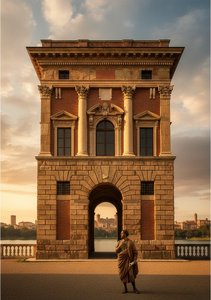
Giulio Romano: A Master of Mannerism & the Palazzo Te Legacy
Explore the revolutionary art of Giulio Romano, master of Mannerism & architect of Palazzo Te. Discover his influence, investment potential, and stunning frescoes – a guide for discerning collectors.
El Encanto de la Autenticidad: Aprovechando Reproducciones de Grado de Museo para el Prestigio Cultural en el Diseño Interior Contemporáneo
Descubra reproducciones de arte de grado museo hechas a mano por artistas expertos. Eleve su hogar con obras maestras y disfrute de calidad, autenticidad y un servicio excepcional en OriginalUniqueArt.
Catálogo de obras de arte
No se encontraron obras de arte.


Suscríbete a nuestro boletín informativo
Manténgase al día con las últimas noticias de arte, ofertas exclusivas e ideas de decoración.
Obtén 3 sugerencias de arte gratuitas
Cuéntanos sobre tu proyecto y nuestros expertos en arte te ofrecerán 3 sugerencias de obras personalizadas.
Not Sure Where to Start?
Let Us Curate 3 Options Just for You - Free!