Un laberinto veneciano de luz y tejido: Explorando el Palazzo Fortuny
El Palazzo Fortuny no es simplemente un museo; es un viaje inmersivo hacia el legado artístico de Mariano Fortuny y Madrazo, un polímata español que encontró su epicentro creativo en Venecia. Al acercarse a su fachada, se evoca una sensación de grandeza atemporal: un palacio gótico renacido a través del espíritu visionario de un artista singular y su esposa, Henriette Negerein. Concebido originalmente como la residencia de la familia Pesaro en el siglo XV, el Palazzo se erige como un emblema perdurable de la destreza arquitectónica veneciana, adornado con ventanas arqueadas que bañan los interiores con una luz difusa y una intrincada cantería que susurra relatos de siglos pasados.
Sin embargo, fue la llegada de Fortuny en 1902 lo que transformó irrevocablemente este majestuoso edificio en un crisol donde convergieron el arte, el diseño y la invención. Él no solo habitó el Palazzo; se convirtió en su propia alma, un explorador incansable que defendió la experimentación junto a su colaboradora artística. Juntos, establecieron un atelier entre sus muros, atrayendo a luminarias de toda Europa ansiosas por presenciar sus técnicas revolucionarias y adquirir piezas que personificaban una nueva sensibilidad estética. Este espacio no fue solo el lugar donde Fortuny creó sus obras maestras; fue la encarnación de su curiosidad intelectual, un tapiz vibrante tejido con influencias de diversas culturas y periodos históricos.
El atelier preservado: Una ventana al proceso creativo de Fortuny
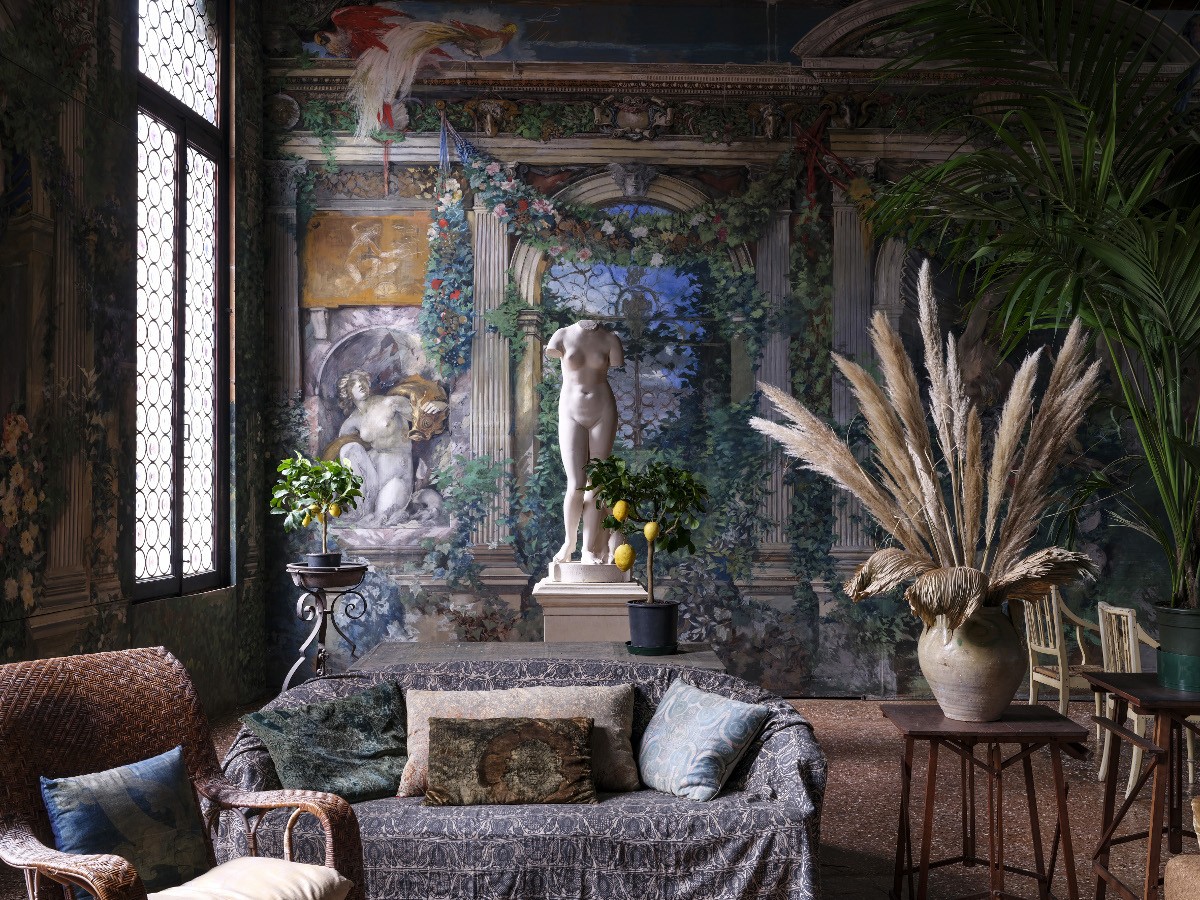
Lo que distingue al Palazzo Fortuny de los museos convencionales es su extraordinaria preservación del estudio-atelier de Fortuny. A diferencia de las instituciones que presentan obras terminadas en entornos estériles, a los visitantes se les permite acceder al mismo espacio donde floreció la creatividad: un facsímil meticulosamente mantenido del taller original de Fortuny. Imagine deambular entre telares aún enhebrados con sedas de una vitalidad asombrosa, examinar bocetos fijados a las paredes que dan testimonio de su incansable búsqueda de la innovación y encontrarse con lámparas que proyectan su resplandor distintivo, todo dentro del abrazo atmosférico de las salas históricas del Palazzo.
Este vistazo íntimo al mundo laboral de Fortuny trasciende la mera observación; revela cómo concibió su arte. Fue un maestro de múltiples disciplinas —pintura, escultura, iluminación escénica y, muy notablemente, el diseño textil— y su atelier refleja este enfoque multifacético. El espacio mismo se siente como una extensión de su mente: ecléctico, estratificado y rebosante de inspiración extraída de los mosaicos bizantinos, los patrones moriscos y el floreciente movimiento impresionista.
Innovaciones en tejido y luz
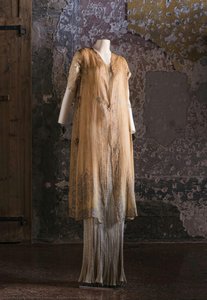
La huella indeleble de Mariano Fortuny se extiende más allá de las artes visuales; revolucionó el diseño textil, creando tejidos que desafiaron la convención y redefinieron las nociones de textura y patrón. Sus técnicas de plisado patentadas, logradas mediante ingeniosos procesos mecánicos, dieron como resultado vestidos que fluían con una gracia etérea, liberando a las mujeres de las modas restrictivas de principios del siglo XX. La colección del museo exhibe una impresionante variedad de estos textiles icónicos —sedas adornadas con motivos inspirados en civilizaciones antiguas y en la historia veneciana—, un testimonio de la maestría inigualable de Fortuny.
Además, Fortuny fue pionero en el diseño de iluminación, reconociendo que la luz podía mejorar profundamente la experiencia artística. Sus lámparas no eran meros objetos funcionales; eran creaciones escultóricas diseñadas para esculpir la luz y la atmósfera, capturando los sutiles matices del crepúsculo veneciano y proyectando un cálido resplandor sobre los espacios interiores. Estas luminarias ejemplifican la visión holística de Fortuny, demostrando cómo el arte puede elevar la vida cotidiana.
Un regalo para Venecia: Asegurando un legado perdurable
La historia del Palazzo Fortuny está inextricablemente ligada a la decisión desinteresada de Henriette Negrin de donar el Palazzo y su contenido a la ciudad de Venecia en 1956, un gesto que aseguró el patrimonio artístico de Fortuny para la posteridad. Inaugurado oficialmente en 197IS bajo la gestión de la Fondazione Musei Civici di Venezia, el Palazzo Fortuny continúa inspirando a los visitantes con exposiciones que celebran la obra de Fortuny junto a exploraciones artísticas contemporáneas.
Hoy, se erige como un faro de la creatividad veneciana: un lugar donde la historia se encuentra con la innovación y donde el legado de Mariano Fortuny y Madrazo perdura, recordándonos que el arte posee el poder de trascender el tiempo y cautivar a las generaciones venideras.