

Una Ciudadela Renacentista de Poder y Arte
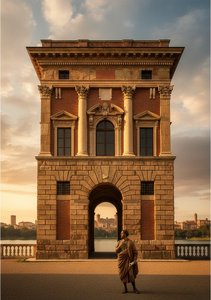
El Palazzo Farnese se erige como un testimonio monumental de la ambición y la visión artística de la dinastía Farnese, dominando la Piazza Farnese en Roma con una fachada imponente y una presencia soberana que impone respeto a todo aquel que se aproxima. Más allá de ser una simple agrupación de ladrillos y mortero, esta maravilla arquitectónica encarna siglos de historia papal, un profundo mecenazgo artístico y una innovación sin precedentes. Invita al observador a un viaje de regreso al Alto Renacimiento, donde cada piedra parece susurrar relatos de las figuras poderosas que forjaron el destino de Roma. Encargado en 1517 por Alessandro Farnese I, el Papa Paulo III, el palacio representa un raro esfuerzo colaborativo entre los titanes de la arquitectura italiana. Si bien Antonio da Sangallo el Joven inició el proyecto, fue el legendario Michelangelo Buonarroti quien redefinió sus principios estructurales con su innovadora cornisa, una audaz ruptura con los estilos predominantes que sirve como un símbolo perdurable de la grandeza papal y la sofisticación arquitectónica.
El Nacimiento de la Sensibilidad Barroca
Al cruzar sus muros, uno es transportado de inmediato a un mundo donde el mito y la realidad se entrelazan, de manera más notable dentro de la impresionante Galleria Carracci . Este espacio trasciende la definición de una mera galería; es una experiencia inmersiva que transporta a los espectadores hacia narrativas mitológicas rebosantes de color vibrante, composición dinámica y una técnica magistral. Los frescos, ejecutados entre 1597 y 1608 por Annibale y Agostino Carracci, marcan un momento crucial en la historia del arte, señalando el nacimiento de la sensibilidad barroca. Estas obras, que representan escenas de las Metamorfosis de Ovidio, utilizan técnicas ilusionistas revolucionarias para crear una sensación de espacio infinito y espectáculo teatral. Las figuras parecen respirar, sus historias desplegándose ante los ojos del espectador en una cascada de luz y movimiento que continúa cautivando tanto a amantes del arte como a historiadores. Un ejemplo primordial de esta narrativa emotiva se encuentra en El Cíclope Polifemo , donde la iluminación magistral y la tensión dramática muestran el amanecer de una nueva era en la pintura europea.
Esplendor Arquitectónico y Ecos de la Antigüedad
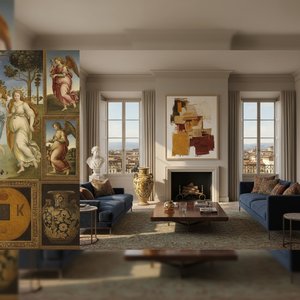
El esplendor arquitectónico del palacio se extiende hasta su corazón mismo, donde el patio asciende con columnas clásicas que sirven como una referencia deliberada a los ideales grecorromanos. Esta meticulosa atención a la forma y la función demuestra la profunda comprensión de los arquitectos sobre la herencia clásica. Dentro de la Sala de Hércules, los visitantes encuentran el opulento legado de la familia Farnese a través de magníficos tapices y antiguos sarcófagos, proporcionando evidencia tangible de los lujosos interiores que alguna vez albergaron a algunas de las figuras más influyentes de Europa. Incluso bajo el esplendor renacentista, excavaciones recientes han revelado hallazgos notables sobre los orígenes romanos del palacio, descubriendo suelos de mosaico que representan animales y acróbatas, lo que sugiere las profundas capas de historia enterradas en este sitio.
Hoy en día, el Palazzo Farnese continúa sirviendo como un símbolo vivo de un intercambio cultural perdurable. Aunque actualmente funciona como la embajada de Francia en Italia —un testimonio de su papel en las relaciones internacionales—, sigue siendo un destino esencial para aquellos que buscan conectar con la cuna de la civilización occidental. Para coleccionistas y diseñadores de interiores, el palacio representa el estándar supremo de excelencia estética, donde la fusión de la fuerza estructural y la gracia decorativa ofrece una inspiración infinita. No se erige meramente como una reliquia del pasado, sino como una obra maestra preservada que garantiza que la grandeza del patrimonio romano permanezca accesible para las generaciones futuras.