Un amanecer renacentista en el corazón de Roma
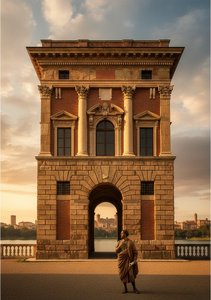
El corazón mismo de Roma alberga tesoros arquitectónicos que susurran relatos de poder, fe e innovación artística. Entre ellos se erige el Palazzo della Cancelleria, un edificio no simplemente construido, sino nacido del espíritu del Renacimiento. Completado entre 1489 y 1513 por Baccio Pontelli y Antonio da Sangallo el Viejo, fue mucho más que el primer palacio de Roma en abrazar plenamente el nuevo estilo; fue una declaración audaz de un cambio cultural, un manifiesto visual que anunciaba la llegada de los ideales humanistas a la ciudad antigua. Antes de que sus muros se alzaran, Roma miraba mayoritariamente hacia su pasado medieval; después, comenzó a contemplar un futuro inspirado en la grandeza clásica y la proporción armoniosa. La fachada del Palazzo, con su rítmica interacción de pilastras y ventanas arqueadas, evoca los diseños florentinos del Palazzo Rucellai de Alberti, pero posee un carácter distintivamente romano, forjado con las mismas piedras de la antigüedad.
La historia de la Cancelleria está inextricablemente ligada a la historia estratificada de Roma, un palimpsesto de civilizaciones. Su construcción fue un acto de reivindicación, una reutilización del pasado para una nueva era. El propio travertino que forma su imponente estructura fue rescatado de ruinas cercanas, notablemente del Teatro de Pompey e incluso fragmentos del Coliseo. Esto no fue un mero uso práctico; fue un gesto simbólico, una afirmación de continuidad entre el glorioso pasado imperial de Roma y su floreciente presente renacentista. Dentro del patio interior, cuarenta y cuatro majestuosas columnas de granito egipcio, también rescatadas del Teatro de Pompey, permanecen como testigos silenciosos de los siglos transcurridos. Estos elementos son fragmentos de memoria, imbuidos con el peso de la historia, integrados a la perfección en un diseño que mira resueltamente hacia adelante. Si bien los orígenes del palacio residen en la ambición del cardenal Raffaele Riario, pronto se convirtió en una propiedad extraterritorial de la Santa Sede, sirviendo como sede de la Cancillería Apostólica.
El triunfo de Vasari y el esplendor del manierismo
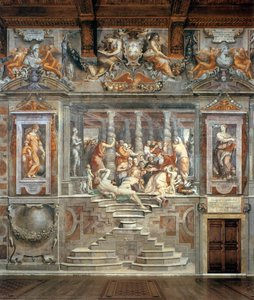
Adentrarse en el Palazzo della Cancelleria es similar a entrar en una cápsula del tiempo, donde el arte renacentista se despliega con un esplendor sobrecogedor. El Salone d'Onore, o Salón de Honor, es quizás su espacio más célebre, un testimonio de la habilidad y la increíble velocidad de Giorgio Vasari. Encargado por el cardenal Alessandro Farnese, este gran salón fue adornado con vastos frescos en unos asombrosos 100 días en 1547. Estos murales no son meramente decorativos; son una narrativa cuidadosamente construida que glorifica el reinado del Papa Paulo III, un himno visual al poder y la autoridad papal. La maestría de Vasari es evidente no solo en la escala de la obra, sino también en su composición dinámica y su vibrante paleta de colores. Cuenta la leyenda que Miguel Ángel, al ver los frescos terminados, ofreció la sucinta crítica “Si vede” —"Se ve".
Más allá de las amplias narrativas de Vasari, el Palazzo salvaguarda otro tesoro profundo: los Relieves de la Cancelleria. Estas dos notables esculturas del siglo I d.C., desenterradas durante la construcción, ofrecen un vínculo tangible con la antigua herencia artística de Roma. Para los amantes del arte y los historiadores por igual, el palacio representa una intersección poco común donde la artesanía imperial de la antigüedad se encuentra con la sofisticada elegancia del Manierismo. Esta dualidad convierte al Palazzo della Cancelleria en una piedra angular del estudio arquitectónico y pictórico, demostrando cómo el Renacimiento no solo inventó nuevos estilos, sino que resucitó magistralmente el alma del Imperio Romano para crear algo enteramente trascendente.