

Índice
Información clave
- Featured artists:
- Giovanni Battista Caccioli
- Aldo Andreani
- Location: Roma, Italia
- Alternate names:
- Palazzo del podestà
- Palazzo del podestà (Desconocido)
- Palazzo del Podestà
- Palazzo del Podestà en Roma
- Palazzo del Governatore
- Works on APS: 12
Test de arte
Cada pregunta tiene una única respuesta correcta.
Pregunta 1:
¿Cuál fue el propósito original del Palazzo del Podestà?
Pregunta 2:
¿Qué estilo arquitectónico caracteriza la construcción inicial del Palazzo del Podestà?
Pregunta 3:
¿La capilla Caccioli destaca por:
Pregunta 4:
¿Qué intercambio cultural influyó en la colección artística del Palazzo del Podestà?
Pregunta 5:
¿Qué representa el Palazzo del Podestà como museo?
Artistas en la colección

Giovanni Battista Caccioli
Descubre Giovanni Battista Caccioli (1623-1675), pintor barroco nacido en Budrio. Conocido por sus obras maestras en colaboración con Monti y Bianchi y su estilo innovador, explora su legado artístico en Parma y Mantua.


Aldo Andreani
Aldo Andreani fue un arquitecto y escultor italiano que fusionó principios renacentistas con la estética fascista en edificios emblemáticos como Palazzo della Ragione, dejando una huella imponente en el arte del siglo XX.
Artículos relacionados
Los 25 Tesoros del Hermitage: Arte Clásico para tu Hogar | OriginalUniqueArt
Descubre los 25 tesoros del Museo Hermitage de San Petersburgo. Explora la historia y belleza de Rembrandt, Leonardo da Vinci y más. Reproducciones de arte en OriginalUniqueArt.com para decorar tu hogar con obras maestras.

Caravaggio's Revolutionary Realism: A Study of Light, Shadow, and the Human Condition
Explore the revolutionary realism of Caravaggio! Discover his mastery of light & shadow (tenebrism), dramatic religious scenes, and lasting influence on Baroque art history. A comprehensive guide for art enthusiasts.
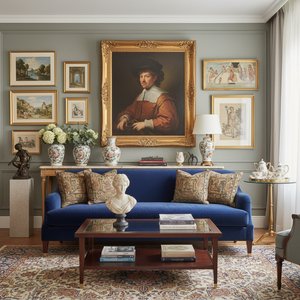
Armonizando Historia y Tono: Una Guía para Combinar Estilos Artísticos con la Arquitectura Interior para una Decoración Equilibrada
Guía experta para combinar estilos artísticos con tu arquitectura interior. Crea espacios equilibrados y elegantes con nuestros consejos y reproducciones de alta calidad. ¡Transforma tu hogar!
Catálogo de obras de arte
No se encontraron obras de arte.


Suscríbete a nuestro boletín informativo
Manténgase al día con las últimas noticias de arte, ofertas exclusivas e ideas de decoración.
Obtén 3 sugerencias de arte gratuitas
Cuéntanos sobre tu proyecto y nuestros expertos en arte te ofrecerán 3 sugerencias de obras personalizadas.
Not Sure Where to Start?
Let Us Curate 3 Options Just for You - Free!