¡Descubre las pinturas de Reyer van Blommendael del Siglo de Oro neerlandés! Explora escenas de la vida cotidiana e historias bíblicas con un realismo magistral, una figura clave del arte del siglo XVII.
A Titan of Northern Art: Exploring the Palais des Beaux-Arts de Lille
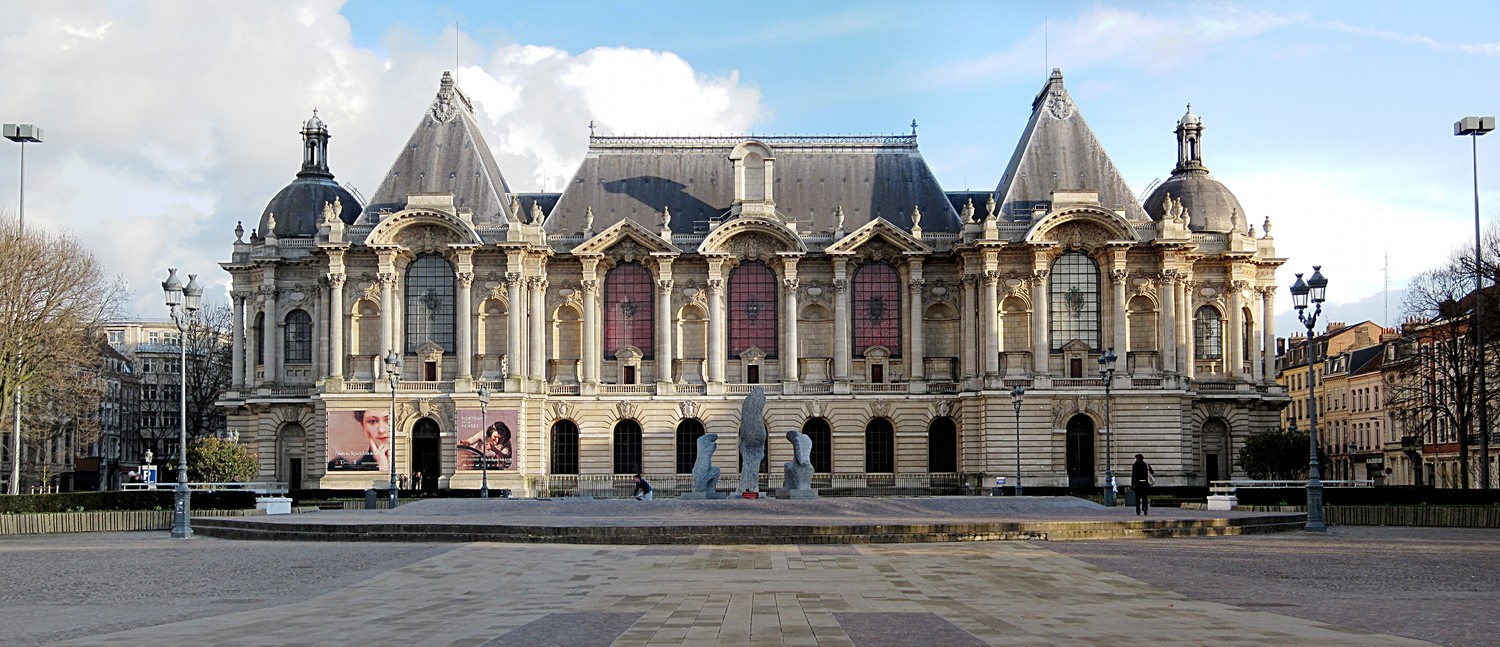
The Palais des Beaux-Arts de Lille stands as a testament to Napoleonic ambition and France’s enduring fascination with artistic grandeur. Located in the vibrant city of Lille, this monumental museum isn't merely a repository of artworks; it’s an immersive journey through centuries of European art history—a singular experience for anyone captivated by beauty and intellectual curiosity. Established in 1809 under Jean-Antoine Chaptal’s decree, its initial purpose was to repatriate looted treasures from churches and occupied territories during the Napoleonic Wars, transforming a strategic initiative into an unparalleled cultural legacy.
Architectural Marvel:
Designed by Édouard Bérard and Fernand Etienne-Charles Delmas, the Baroque revival building completed in 1892 embodies elegance and scale. Its soaring ceilings and opulent interiors reflect the spirit of Belle Époque Paris, creating an atmosphere that inspires contemplation and admiration for artistic achievement.
A History Etched in Stone:
Construction began in 1885, fueled by a desire to elevate Lille’s cultural standing. Subsequent renovations in 1991-1997 expanded exhibition spaces and modernized facilities without diminishing the building's original splendor.
A Kaleidoscope of Artistic Treasures
The museum’s collection is astonishingly diverse, charting a chronological panorama from antiquity to contemporary art. Visitors can delve into captivating exhibits showcasing artifacts from ancient civilizations alongside masterpieces spanning the Middle Ages and Renaissance—a remarkable juxtaposition that illuminates the evolution of artistic expression. Particularly noteworthy are the monumental paintings by Raphael, Rubens, Donatello, Goya, and countless other masters who shaped European artistic canon. These works resonate with profound symbolism and technical virtuosity, demonstrating unparalleled skill in pigment blending, composition, and perspective.
Iconic Masters:
Admire reproductions of celebrated canvases like “Nymph Abducted by a Faun” by Alexandre Cabanel—a masterful depiction of mythological narrative—and “Dutch Al te bot” by Adriaen Pietersz van de Venne, capturing the serene beauty of Dutch landscape painting.
Sculptural Excellence:
Explore a dedicated section devoted to 19th-century sculpture featuring monumental works by Auguste Rodin and Jean Baptiste Claudel—artists who revolutionized artistic form and conveyed emotion with unprecedented sensitivity.
Beyond the Paintings: Unique Collections & Architectural Significance
What truly distinguishes the Palais des Beaux-Arts de Lille is its extraordinary holdings of Vauban Relief Maps – intricately crafted models of fortified towns designed by Sébastien Le Prestre de Vauban, a military engineer whose innovative fortifications reshaped European defense strategies. These maps offer invaluable insights into architectural ingenuity and historical context. Furthermore, the museum’s collection includes significant pieces from Impressionism and Post-Impressionism, reflecting the transformative artistic currents of the late 19th century. The meticulous detail with which these models capture the urban landscape speaks volumes about the era's preoccupation with security and strategic planning—a fascinating dimension for visitors interested in architectural history.
Notable Exhibitions & Artistic Legacy
Throughout its history, the Palais des Beaux-Arts has hosted groundbreaking exhibitions that have captivated audiences worldwide. From retrospectives celebrating the careers of celebrated artists like Rembrandt and Monet to thematic explorations delving into artistic movements such as Surrealism and Cubism, the museum consistently presents innovative perspectives on art’s role in shaping cultural understanding. Its influence extends beyond Lille itself, serving as a model for museum design and fostering dialogue between scholarship and public engagement—a testament to its enduring commitment to disseminating knowledge and inspiring creativity.
A Destination for Inspiration
Whether you're a seasoned art connoisseur or simply seeking an enriching cultural encounter, the Palais des Beaux-Arts de Lille promises to ignite your imagination and deepen your appreciation for the enduring power of visual artistry. Its grandeur, its breadth of collection, and its historical narrative combine to create an unforgettable experience—a cornerstone of Lille’s artistic heritage and a beacon for art lovers worldwide.
Por el equipo editorial de OriginalUniqueArt.com
Test de arte
Cada pregunta tiene una única respuesta correcta.
Pregunta 1:
¿Qué estilo arquitectónico caracteriza al Palacio de las Beaux-Arts de Lille?
Pregunta 2:
¿Quién diseñó el edificio del Palacio de las Beaux-Arts?
Pregunta 3:
¿La colección del museo incluye obras maestras por qué artistas?
Pregunta 4:
¿Qué distingue al Palacio de las Beaux-Arts de Lille de otros museos en Francia?
Pregunta 5:
¿Los mapas de relevo únicos de Vauban fueron creados por:
OAsistente de estudioEn línea · responde en un minuto
¡Hola! Puedo ayudarte a elegir una obra de arte, realizar el seguimiento de un pedido o resolver tus dudas sobre la garantía. ¿En qué puedo ayudarte hoy?