
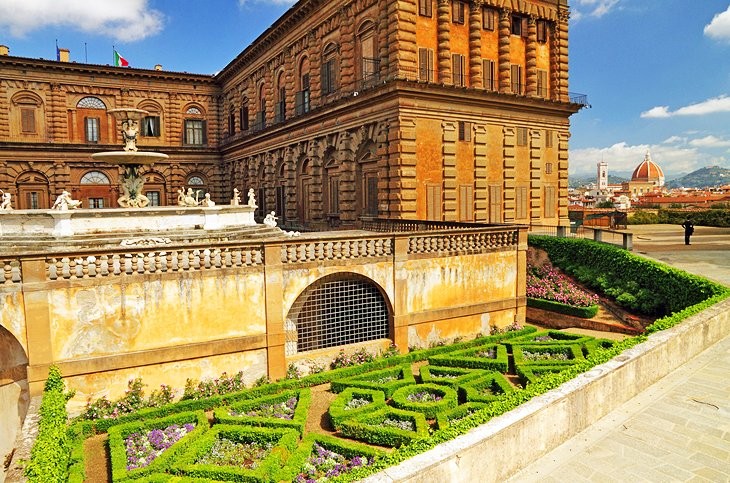
Índice
Información clave
- Works on APS: 1
- Location: Florencia, Italia
- Alternate names:
- Palacio del Arzobispo
- Palacio del Arzobispo de Florencia
- Palazzo dellArcivescovo
- Palacio Arzobispo
- Archbishops Palace
- Featured artists: Filippo di Tommaso Lippi
Test de arte
Cada pregunta tiene una única respuesta correcta.
Pregunta 1:
¿Qué es lo más destacado que ofrece la colección del Palacio Arzobispo?
Pregunta 2:
¿Los mosaicos del palacio son testimonio de qué característica artística?
Pregunta 3:
¿Además del arte, qué elemento significativo contribuye a la experiencia cultural única que ofrece el Palacio Arzobispo?
Pregunta 4:
¿Qué movimiento artístico predomina en los artefactos alojados dentro del Palacio Arzobispo?
Pregunta 5:
¿Qué diferencia al Palacio Arzobispo de otros museos en Florencia?
Artistas en la colección
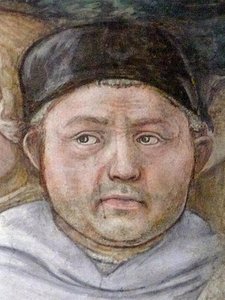
Filippo Lippi
Filippo Lippi (1406-1469): Pintor renacentista famoso por sus Madonnas líricas, naturalismo e innovadoras composiciones. Influenciado por Botticelli y clave del arte florentino. ¡Descubre su vida y obra!

Artículos relacionados
Sacred Narratives Embodied: A Comprehensive Exploration of Religious Iconography in Art History
Explore the rich history of religious iconography in art! Discover symbolism, movements & masterpieces from Byzantine to Renaissance periods. Expert insights for collectors and enthusiasts at OriginalUniqueArt.

Albrecht Altdorfer: Innovation, Spirituality & the Northern Renaissance Landscape
Explore the groundbreaking art of Albrecht Altdorfer, a pioneer of the Northern Renaissance's Danube School. Discover his innovative landscapes, spiritual symbolism & lasting influence on German painting.
Proto-Renacimiento: 10 Obras Maestras que Cambiaron la Historia del Arte | OriginalUniqueArt
Descubre las 10 obras maestras del Proto Renacimiento que revolucionaron el arte italiano. Explora la historia de Giotto, Duccio y Cimabue. Reproducciones de arte en OriginalUniqueArt.com para decorar tu hogar con belleza atemporal.


Suscríbete a nuestro boletín informativo
Manténgase al día con las últimas noticias de arte, ofertas exclusivas e ideas de decoración.
Obtén 3 sugerencias de arte gratuitas
Cuéntanos sobre tu proyecto y nuestros expertos en arte te ofrecerán 3 sugerencias de obras personalizadas.
Not Sure Where to Start?
Let Us Curate 3 Options Just for You - Free!