


Una joya de Padua: El Oratorio di San Giorgio
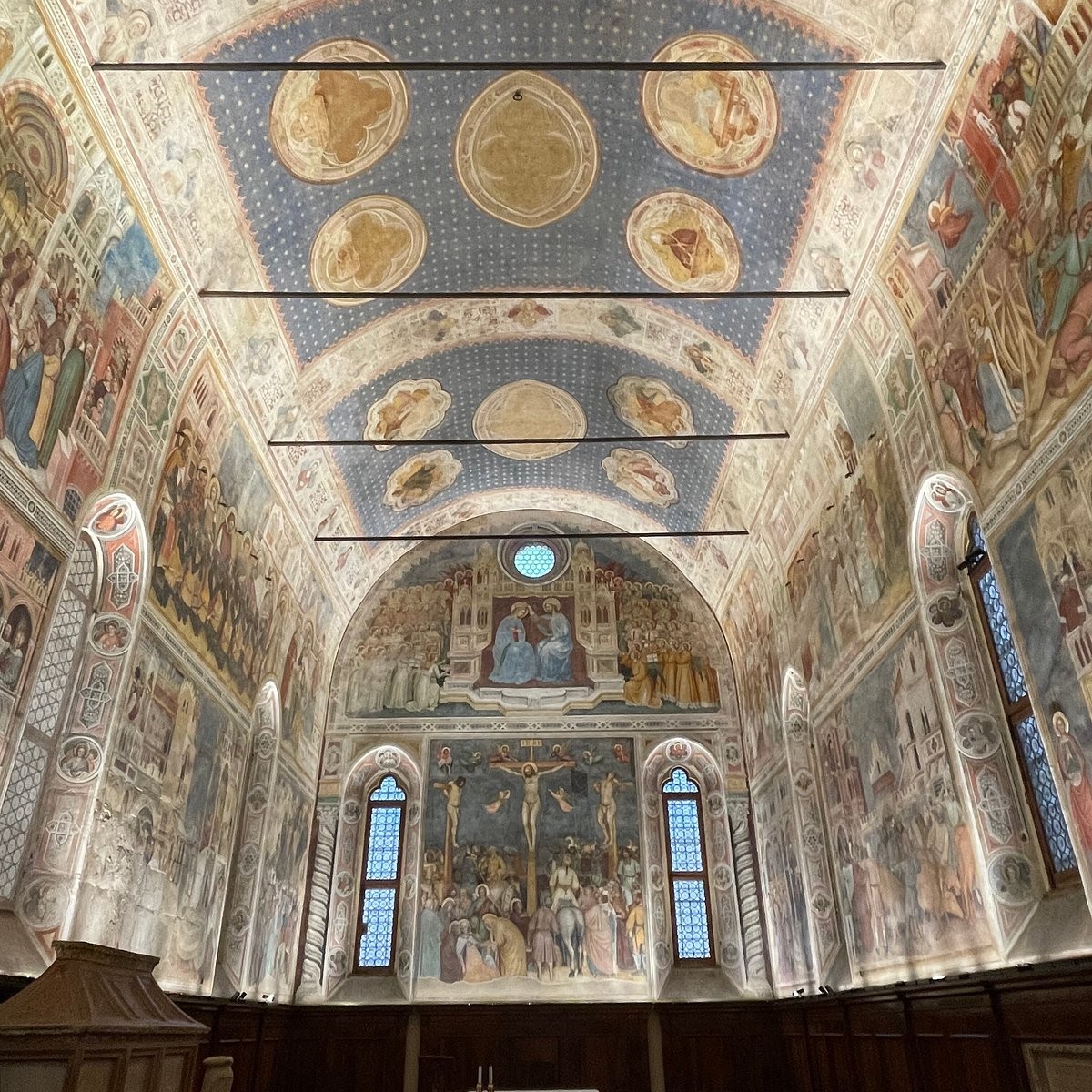
Enclavado en el corazón de Padua, una ciudad impregnada de herencia artística e intelectual, se encuentra el Oratorio di San Giorgio, una pequeña capilla que alberga en sus muros un testimonio impresionante del arte italiano del siglo XIV. A menudo descrito como “la Capilla Scrovegni en el otro extremo del siglo”, este sitio declarado Patrimonio de la Humanidad por la UNESCO ofrece un encuentro íntimo con los vibrantes frescos de Altichiero da Zevio y su taller, transportando a los visitantes a un momento crucial en el amanecer del Renacimiento. Más que un simple espacio religioso, el Oratorio es un conmovedor reflejo de su época, sirviendo como mausoleo familiar imbuido tanto de devoción espiritual como de orgullo aristocrático.
El origen de este espacio sagrado se remonta a 1376, cuando Raimondino de’ Lupi, un soldado y diplomático al servicio de los señores da Carrara, confió a Altichiero la creación de un memorial duradero para su linaje. Su ubicación, adyacente a la imponente Basílica de Sant'Antonio, subraya las corrientes religiosas y políticas entrelazadas que dieron forma a Padua durante esta era. Mientras que el exterior del Oratorio emana una elegancia sobria —construido con ladrillo sencillo y mínimos adornos arquitectónicos—, esta moderación deliberada sirve como un preludio dramático y silencioso al espectáculo interior. Al cruzar el umbral, los visitantes son recibidos de inmediato por un asombroso panorama de color y narrativa que desafía las modestas dimensiones de la capilla.
Los frescos de Altichiero dominan cada superficie dentro de la capilla, representando escenas profundas de las vidas de San Jorge, Santa Catalina de Alejandría y Santa Lucía, junto con episodios clave de la vida de Cristo. Su brillantez artística trasciende la mera destreza técnica; reside en un enfoque narrativo innovador que guía la mirada del espectador a través de las paredes con un drama palpable. Inspirándose en la obra revolucionaria de Giotto en la Capilla Scrovegni, Altichiero estableció, no obstante, un estilo distintivo caracterizado por un realismo acentuado y una manipulación expresiva de la luz y la sombra. Las figuras mismas están impregnadas de una profunda emoción humana, con gestos que transmiten el peso de experiencias trascendentales. Además, los frescos incorporan magistralmente retratos de la familia Lupi —representados con armaduras completas, arrodillados reverentemente ante la Virgen María—, fusionando sin fisuras el estatus terrenal con la narrativa sagrada.
La supervivencia de tal brillantez es nada menos que milagrosa. Los frescos fueron inicialmente ocultados por una capa de cal durante el reinado de Napoleón, perdidos ante los ojos del mundo durante generaciones hasta que fueron recuperados con esmero a finales de la década de 1990 mediante meticulosos esfuerzos de restauración. Estas labores revelaron la vitalidad original de la paleta de Altichiero e iluminaron una vez más los intrincados detalles de sus composiciones. Hoy en día, el Oratorio se erige como un destino único tanto para historiadores del arte como para entusiastas, habiendo acogido exposiciones significativas que profundizan en la investigación académica de las técnicas de Altichiero. Sigue siendo un lugar donde los límites entre lo divino y lo humano se desdibujan, invitando a todo aquel que entra a sumergirse en la belleza perdurable de una obra maestra que continúa inspirando asombro y contemplación.
