Una Sinfonía de Grandeza Barroca y Deleite Rococó
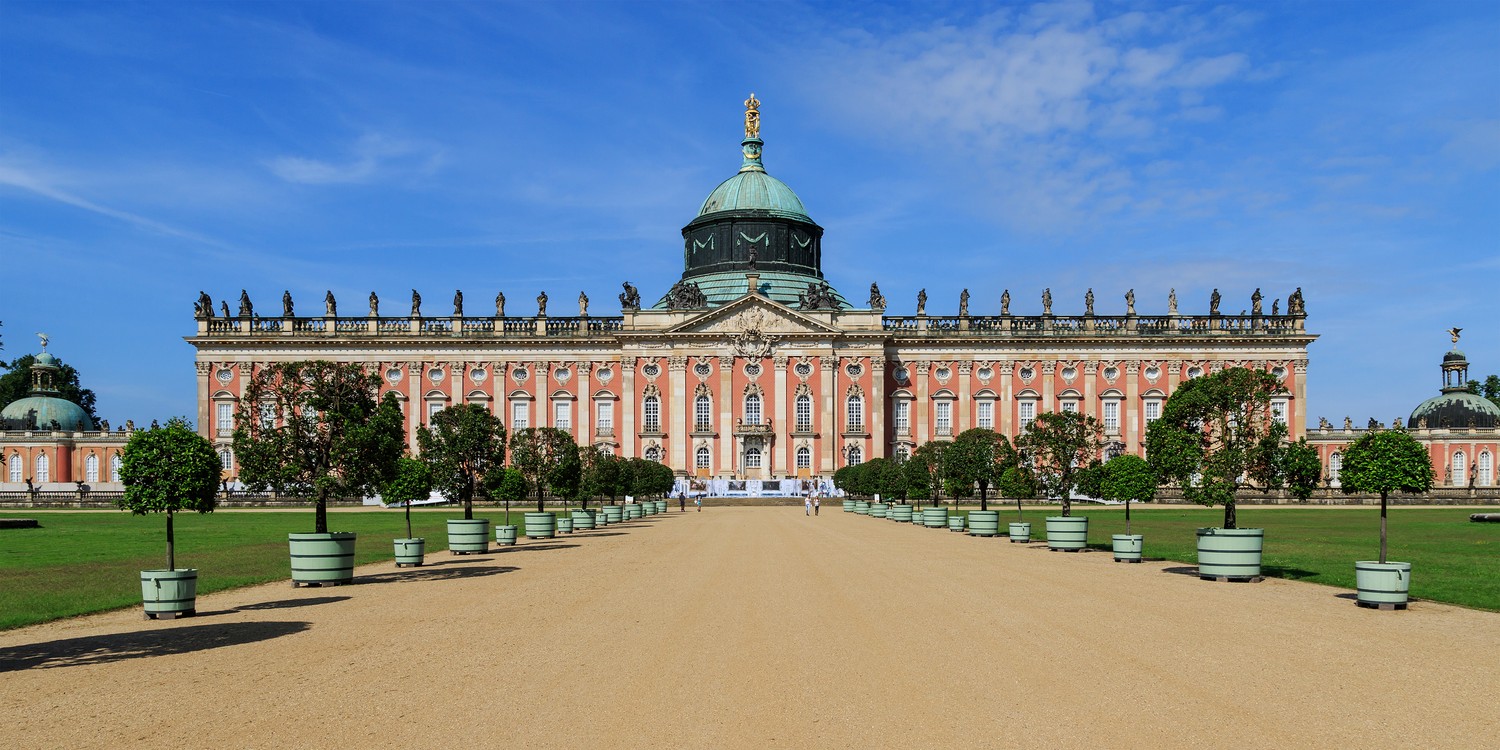
El Neues Palais se erige como un faro impresionante de la ambición artística prusiana, representando un último y magnífico florecimiento de la elegancia barroca antes de que la estética europea se desplazara hacia las sensibilidades más ligeras y caprichosas del Rococó. Situado dentro del sitio Patrimonio de la Humanidad de la UNESCO en el Parque Sanssouci, en Potsdam, este palacio es mucho más que un mero monumento arquitectónico; es un viaje inmersivo al opulento reinado de Federico II, conocido en la historia como Federico el Grande. Encargada en 1763 tras la conclusión de la Guerra de los Siete Años, la estructura fue concebida como una declaración deliberada de poder y resurgimiento. Su escala masiva y su imponente simetría, diseñadas por Johann Gottfried Büring, tenían la intención de imponer respeto en el escenario internacional, señalando que Prusia había emergido del conflicto no solo intacta, sino revitalizada con una riqueza cultural sin precedentes.
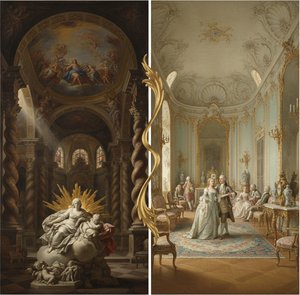
Al cruzar sus puertas monumentales, uno experimenta una transformación profunda: desde un exterior formidable hacia un mundo interior de ornamentación delicada. Si bien la arquitectura conserva el gran formalismo del Barroco, el corazón del palacio late con la gracia rítmica del Rococó. Elaborados trabajos de estuco caen en cascada por los techos como encaje congelado, adornados con querubines dorados e intrincados motivos florales que crean una atmósfera etérea y celestial. La alta cúpula tambor domina el horizonte, actuando como un puente vertical entre el esplendor terrenal de la corte y los ideales de la Ilustración sobre el descubrimiento astronómico y la razón que Federico II tanto apreciaba. Para el diseñador de interiores o el amante de la estética clásica, el palacio ofrece una clase magistral sobre cómo la escala monumental puede coexistir con un detalle íntimo y asombroso.
Tesoros de la Corte Prusiana
La colección albergada entre estos muros sirve como una ventana curada hacia los gustos sofisticados y las aspiraciones intelectuales de la corte prusiana del siglo XVIII. Las galerías albergan obras maestras que ejemplifican la preocupación de la época por la moralidad, la gracia y la forma humana. Entre los hitos más celebrados se encuentra “Moisés llevado a la hija del Faraón” de William Hogarth, una obra conmovedora que utiliza la alegoría moral para subrayar las virtudes de la piedad, un tema central en el pensamiento ilustrado del periodo. En marcado contraste con tal gravedad, se encuentra el encanto luminoso de “La bailarina Barbara Campanini” de Antoine Pesne. Este óleo sobre lienzo captura la gracia fluida y la belleza teatral de la era Rococó, mostrando un nivel de maestría técnica en la luz y el movimiento que continúa cautivando a los coleccionistas modernos.
Más allá de los lienzos, el palacio es un conjunto de artesanía exquisita. Las estancias están amuebladas con ornamentadas sillas y mesas de madera dorada que presentan tallados intrincados, reflejando la habilidad inigualable de los artesanos contemporáneos. Cada rincón del Neues Palais narra una historia de lujo y prestigio, donde las bellas artes y las artes decorativas se fusionan en una experiencia única y cohesiva de esplendor real. Esta integración perfecta de pintura, escultura y mobiliario convierte al palacio en un destino único para quienes buscan inspiración en las raíces históricas del lujo europeo y el poder perdurable de la armonía estética.
Un Legado de Transformación y Resiliencia
La historia del Neues Palais es una de evolución continua, reflejando las mareas cambiantes de la identidad alemana y el progreso tecnológico. Aunque sus cimientos se remontan al siglo XVIII, los monarcas posteriores buscaron adaptar el espacio a las necesidades de una era en modernización. El Káiser Guillermo II, por ejemplo, introdujo comodidades modernas como la iluminación eléctrica e incluso instaló ascensores, demostrando un audaz deseo de casar la tradición prusiana con los confort de la nueva era. Esta capa de modernización añade una dimensión fascinante al palacio, revelándolo no como una reliquia estática del pasado, sino como un monumento vivo que ha respirado al compás del progreso de la civilización.
Hoy, gracias a los meticulosos esfuerzos de preservación de la Stiftung Preußische Schlösser und Gärten Berlin-Brandenburg, el Neues Palais permanece como un santuario prístino de la historia. Se mantiene como un testimonio de la visión de Federico II de convertir el Parque Sanssouci en un bastión de la razón y la excelencia artística. Para el visitante contemporáneo, explorar estos salones ofrece más que una simple lección de historia del arte; proporciona una conexión profunda con una era donde la arquitectura, la política y el arte estaban inextricablemente ligados en una gran búsqueda de la inmortalidad cultural.