

Un Tapiz del Tiempo: El Alma del National Trust en Stockport
Adentrarse en los sitios del National Trust en Stockport es deambular por una crónica viva del espíritu británico, donde las fronancias entre la arquitectura, la naturaleza y el arte se disuelven en una narrativa fluida de preservación. Estos no son meramente monumentos estáticos al pasado; son encarnaciones vibrantes de los ideales victorianos, nacidas de la filantropía visionaria de Octuring Hill, Sir Robert y Hardwicke Rawnsley. En cada jardín cuidado y en cada muro de piedra desgastado por el tiempo, se encuentra un compromiso profundo con la salvaguarda de las maravillas estéticas y naturales del reino, asegurando que el diálogo entre la humanidad y su patrimonio permanezca ininterrumpido a través de las generaciones.
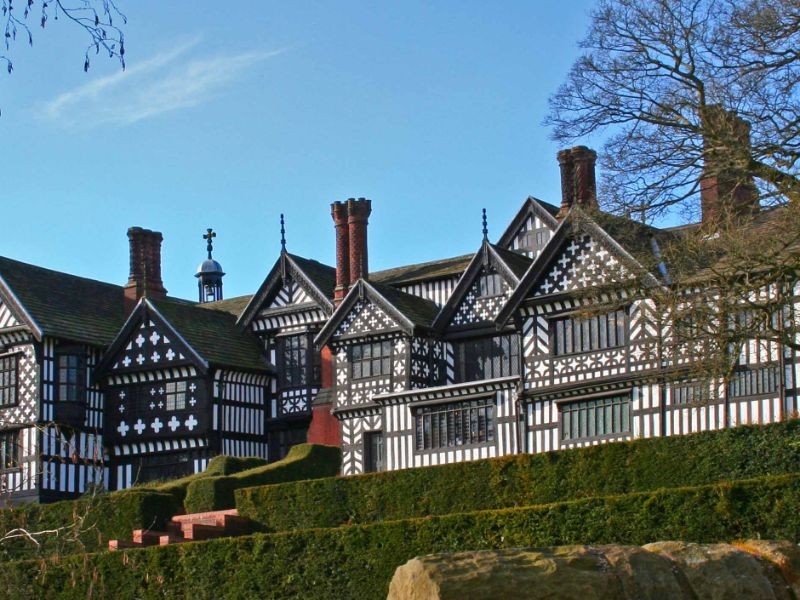
El viaje arquitectónico a través de estas fincas ofrece un estudio impresionante de evolución estilística y grandeza. En Lyme Park, el paisaje está dominado por una imponente estructura italianizante diseñada por William Burn, una obra maestra que refleja la profunda fascinación de la era victoriana por las formas clásicas y el Romanticismo. La propiedad misma es un palimpsesto de la historia, trazando su linaje desde una concesión del siglo XIV a Piers Legh a través de capas de palladianismo isabelino y magnificencia barroca. Este esplendor arquitectónico se refleja en los jardines meticulosamente planificados, donde la precisión científica de la botánica se encuentra con la visión artística de figuras como Gertrude Jekyll. Estos espacios verdes fueron diseñados con el concepto de "jardinería moral" en mente: un intento deliberado de armonizar la naturaleza salvaje con el diseño humano para nutrir el bienestar tanto físico como mental.
Innovación Industrial y Santuarios Artísticos
Más allá de la elegancia aristocrática de Lyme Park, la colección ofrece una mirada conmovedora al poder transformador de la industria y el cambio social. Quarry Bank Mill se erige como un testimonio monumental de la transición de Gran Bretaña de una sociedad agraria a una potencia industrial mecanizada. Sin embargo, incluso dentro de este paisaje de innovación, existe un oasis artístico sorprendente; el jardín de Apprentice House, otra obra maestra de Jekyll, sirve como un exuberante santuario que demuestra el compromiso victoriano de integrar la belleza natural en entornos industriales y urbanizados. Esta dualidad —la fuerza del hierro y la delicadeza de un pétalo— es lo que hace que los sitios de Stockport sean tan singularmente cautivadores para el observador moderno, ofreciendo un retrato complejo del progreso templado por un amor perdurable por la tierra.
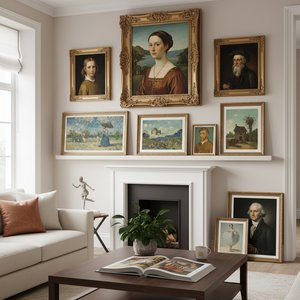
Para el coleccionista exigente y el amante de las bellas artes, las posesiones del Trust proporcionan un tesoro sin igual de importancia cultural. Las casas históricas están adornadas con una notable colección de pinturas, esculturas y artes decorativas que abarcan desde el Renacimiento hasta el movimiento Impresionista. Estas obras hacen más que decorar; ofrecen ventanas a los gustos e influencias sociales de las épocas que representan. A través de exposiciones notables que exploran temas como la reforma social victoriana y el papel evolutivo de la mujer en el arte, el Trust fomenta un diálogo crítico entre las narraciones históricas y las perspectivas contemporáneas. Ya sea que uno se sienta atraído por el opulento mobiliario de la mansión georgiana de Dunham Massey o por las intrincadas texturas del retrato ecuestre, el National Trust en Stockport permanece como un santuario donde la historia no solo se recuerda, sino que se siente.