Un Bastión del Espíritu Polaco
En el corazón de Varsovia, donde el pulso de la vida moderna se encuentra con los ecos de un pasado resiliente, se erige el Muzeum Narodowe . Más que un simple repositorio de reliquias, esta institución sirve como un testimonio vivo de la perdurable identidad cultural de Polonia. El edificio en sí, una obra maestra modernista diseñada por Tadeusz Tolwiński e inaugurada en 1938, impone su presencia en la Avenida Jerusalén. Su arquitectura refleja un sentido de permanencia y fortaleza, erigiéndose como un testigo silencioso de la devastación de la guerra y de la meticulosa reconstrucción posterior que refleja el espíritu mismo del pueblo polaco.
Cruzar sus puertas es embarcarse en un viaje a través de los milenios. La colección del museo es un panorama asombroso de la creatividad humana, comenzando con los profundos susurros de la antigüedad. En las Galerías de Arte Antiguo, los visitantes se encuentran con aproximadamente 11,000 piezas de las civilizaciones egipcia, griega y romana. Aquí, la imponente presencia de estatuas de piedra que representan faraones y dioses crea una atmósfera sagrada, mientras que frescos vibrantes ofrecen una ventana a las narrativas mitológicas que alguna vez gobernaron el mundo antiguo. Un punto culminante particularmente impresionante es la Galería Faras, que alberga la colección de arte cristiano nubio más grande de Europa. Los delicados murales y los exquisitos iconos de la era bizantina que se encuentran aquí proporcionan una visión íntima de una era perdida de fe e innovación artística, tendiendo un puente entre las distancias de las tradiciones africanas y la historia espiritual europea.
Obras Maestras del Patrimonio Nacional y Global
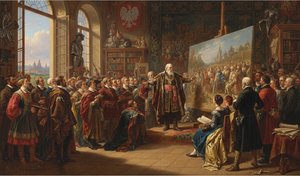
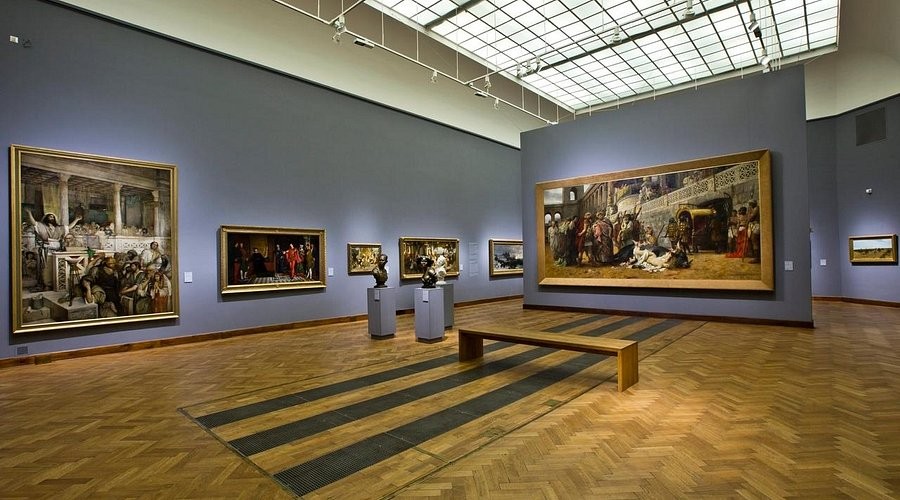
El alma del museo reside en sus extensas galerías de pintura polaca, donde el lienzo se convierte en un escenario para el drama nacional. La colección abarca desde el siglo XVI hasta la era contemporánea, mostrando una evolución estilística que refleja el turbulento paisaje político de Polonia. Uno no puede recorrer estos pasillos sin verse cautivado por las obras monumentales de Jan Matejko. Su obra maestra, Stanczyk , funciona como un profundo estudio psicológico de la melancolía real y la previsión histórica, capturando el peso del destino dentro de la monarquía polaca. Esta grandeza se equilibra con los evocadores paisajes y escenas de género de artistas como Józef Chełmoński y Aleksander Dobelli, cuyas obras capturan la luz, la textura y la emoción pura de la campiña polaca.
Más allá de las fronteras de Polonia, el museo ofrece un diálogo sofisticado con la tradición europea en su conjunto. La colección se enriquece con un impresionante conjunto de maestros extranjeros, que incluye:
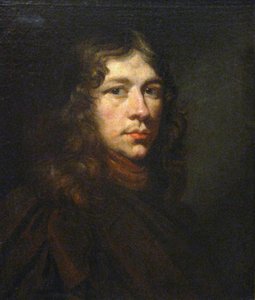
- El dominio del claroscuro de Rembrandt
- La vitalidad carnal de Rubens
- Los serenos paisajes de Claude Lorrain
- Obras que van desde Botticelli hasta Picasso
Esta dimensión internacional se ve aún más compleja y enriquecida por la propia historia; el museo posee lienzos que alguna vez formaron parte de la colección privada de Adolf Hitler, obras que fueron devueltas a Polonia tras la Segunda Guerra Mundial como símbolo de soberanía recuperada. Esta intersección entre la historia del arte global y la tragedia local convierte al Muzeum Narodowe en un sitio único para la reflexión intelectual y emocional.
Una Institución Viva de Expresión Contemporánea
Hoy en día, el museo continúa desafiando los límites de la experiencia tradicional de una galería. Es una institución que se niega a permanecer estática, albergando con frecuencia exposiciones innovadoras que cuestionan las perspectivas convencionales, desde la exploración de problemas sociales contemporáneos hasta la célebre muestra de arte homoerótico de 2010. Ya sea que uno se sienta atraído por la belleza táctil de las artes decorativas, la precisión de la fotografía o la audaz experimentación de la escultura moderna, el museo ofrece un encuentro inmersivo con lo sublime.
Para el coleccionista o el diseñador, estas obras ofrecen una profunda sensación de profundidad narrativa y elegancia clásica. La institución también extiende su alcance a través de diversas sedes, incluyendo el Museo del Cartel en Wilanów y el Museo de Escultura Xawery Dunikowski en el Palacio Królikarnia. Sigue siendo un destino vital para aquellos que buscan no solo contemplar el arte, sino experimentar la profunda continuidad de la expresión humana.