A Legacy Etched in Stone and Memory: Exploring the Prudente de Moraes Museum
The Prudente de Moraes Museum stands as a beacon of Brazilian cultural heritage—a testament to the transformative era that birthed Brazil’s republican identity. Located in Piracicaba, São Paulo, this institution transcends mere display; it embodies a profound engagement with history, artistry, and the enduring spirit of national aspiration. Established in 1928 by Sólon Borges dos Reis – a visionary who recognized the imperative to preserve the memory of Brazil's four presidents born in São Paulo – the museum’s mission is rooted in fostering intellectual curiosity and celebrating artistic expression as conduits for understanding our collective past.
Historical Foundations: Witnessing the Birth of Republican Brazil
The museum’s narrative unfolds against the backdrop of Brazil’s tumultuous transition from imperial rule to democratic governance—a period marked by fervent debates over constitutional reform, fueled by echoes of the Federalist Revolution of 1889 and shadowed by the poignant drama of the War of Canudos. Its core mission is to illuminate this pivotal juncture—examining the socio-political forces that propelled Brazil toward independence and fostering a nuanced appreciation for the complexities inherent in forging a new national identity. The museum’s curators meticulously reconstruct the atmosphere of the time, utilizing archival documents—letters exchanged between statesmen, photographs documenting daily life, and official decrees shaping legislative policy—to immerse visitors in an authentic portrayal of republican Brazil.
A Singular Architectural Expression: Neo-Classical Revival
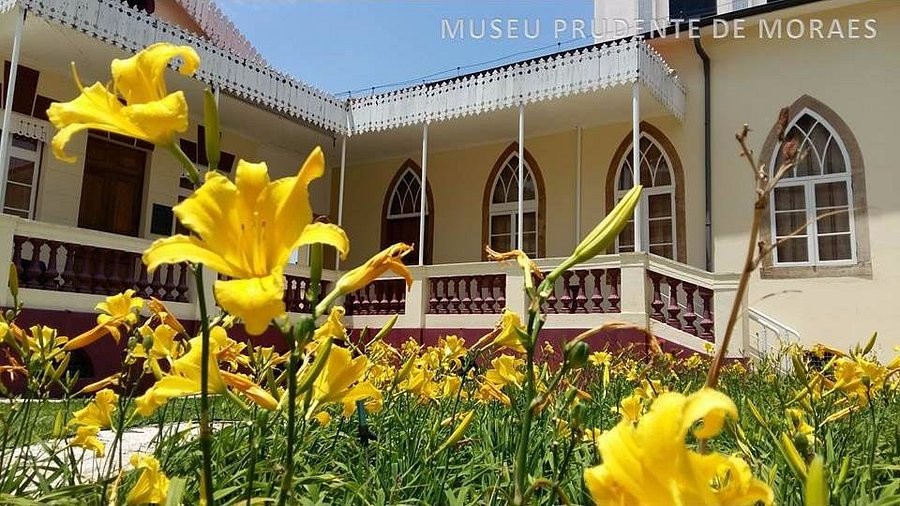
The building housing the Prudente de Moraes Museum reflects the architectural sensibilities prevalent during Prudente José de Moraes Barros’ lifetime – predominantly Neo-Classical Revival. Characterized by symmetry, grandeur, and meticulous ornamentation, its façade speaks volumes about the ethos of civic pride that underpinned its creation. While precise details regarding its original construction remain elusive due to limited archival records—a consequence of time and circumstance—the structure undeniably adheres to stylistic conventions emblematic of Brazilian architecture at the turn of the century. Its design embodies an aspiration for elegance and intellectual refinement—a reflection of the museum’s founding purpose: to safeguard Brazil's republican heritage and inspire future generations with a profound appreciation for artistic expression and historical understanding.
Collection Highlights: Portraits Reflecting Republican Ideals
The museum’s collection boasts a remarkable diversity of items reflecting this era’s artistic sensibilities and socio-political realities. Among the most captivating pieces are portraits depicting prominent figures—including Maria Luiza de Almeida Moraes (a bust capturing her dignified countenance) and Francisco Mariano Corrêa de Moraes (a male portrait imbued with palpable emotion). These artworks serve as windows into the personalities and aspirations of individuals who shaped Brazil’s formative years – embodying the humanist values championed by republican thinkers. Furthermore, decorative arts—furniture crafted in styles reminiscent of European aristocratic tastes—demonstrate the ambition for refinement that permeated Brazilian society during this period. The museum's curators have painstakingly catalogued these treasures—analyzing their stylistic influences and contextualizing them within broader artistic trends—to enrich visitors’ understanding of Brazil’s cultural landscape during its republican dawn.
Ongoing Research & Educational Initiatives: Shaping Future Generations
Recognizing the importance of disseminating knowledge beyond its walls, the Prudente de Moraes Museum actively collaborates with universities and researchers to foster intellectual dialogue and cultivate a deeper appreciation for Brazilian heritage. Recent projects have explored the influence of European Romanticism on Brazilian art and literature—highlighting connections between artistic movements across continents. Moreover, educational programs designed for schoolchildren aim to instill an interest in history and art—ensuring that the legacy of Prudente de Moraes continues to inspire young minds and fostering a commitment to preserving Brazil’s cultural patrimony for generations to come.
-
The museum's website offers detailed information about its collection, exhibitions, and educational initiatives.
-
Visitors can access scholarly publications exploring the museum’s historical context and artistic significance.
A visit to the Prudente de Moraes Museum is indispensable for anyone seeking to grasp the essence of Brazil’s republican genesis – a journey into artistry, intellect, and the enduring spirit of national identity.