Una Sinfonía de la Memoria: El Alma del Museu Carlos Gomes
Cruzar el umbral del Museu Carlos Gomes en Campinas es dejar atrás el ritmo bullicioso del Brasil moderno para adentrarse en un santuario donde el aire mismo parece vibrar con los ecos de arias largamente olvidadas. Este no es simplemente un repositorio de artefactos históricos; es un viaje inmersivo al corazón mismo de la ópera brasileña, un lugar donde el espíritu creativo de Antônio Carlos Gomes permanece palpable y vivo. Para el amante del arte y el buscador de profundidad cultural, el museo ofrece una conexión profunda con un hombre que se atrevió a tejer las texturas indígenas de su patria en el gran y dramático tapiz del Romanticismo europeo. Cada pasillo susurra relatos de genio musical, invitando a los visitantes a presenciar la delicada intersección entre la pasión personal y la identidad nacional.
La colección sirve como una ventana íntima al proceso creativo del compositor, yendo mucho más allá de la árida recitación de fechas biográficas. Dentro de estos muros, uno encuentra los rastros tangibles de una leyenda: manuscritos originales donde la caligrafía delicada y apresurada del propio Gomes revela sus inspiraciones y ansiedades más profundas; cartas personales que tienden puentes entre siglos; e incluso objetos personales cotidianos —vestimenta e instrumentos— que se transforman en reliquias sagradas de una vida artística. La joya de la corona de esta colección es, sin duda, el legado de “Il Guarany,” su monumental obra maestra. A través de partituras y libretos meticulosamente reproducidos, los visitantes pueden rastrear cómo Gomes fusionó magistralmente el folclore brasileño con las sofisticadas convenciones del escenario de la gran ópera, creando un paisaje sonoro que sigue siendo una piedra angular del patrimonio musical de la nación.
Resonancia Arquitectónica y Gracia Histórica
La presencia física del museo es tan parte de su narrativa como la música que preserva. La arquitectura encarna un diálogo sofisticado entre la tradición y la modernidad, logrando un equilibrio armonioso entre los estilos vernáculos brasileños y un minimalismo contemporáneo y limpio. Construido en 1983 utilizando piedra caliza de origen local, el edificio posee una cualidad serena y arraigada que refleja el paisaje natural de Campinas. El diseño demuestra una exquisita sensibilidad hacia la luz; la iluminación natural está cuidadosamente orquestada para fluir a través de las galerías, fomentando una atmósfera contemplativa que conecta la experiencia interior con el vibrante clima del estado de São Paulo. Esta elección arquitectónica crea una sensación de atemporalidad, donde la piedra pesada y texturizada proporciona un escenario estable para la belleza efímera de la historia musical.
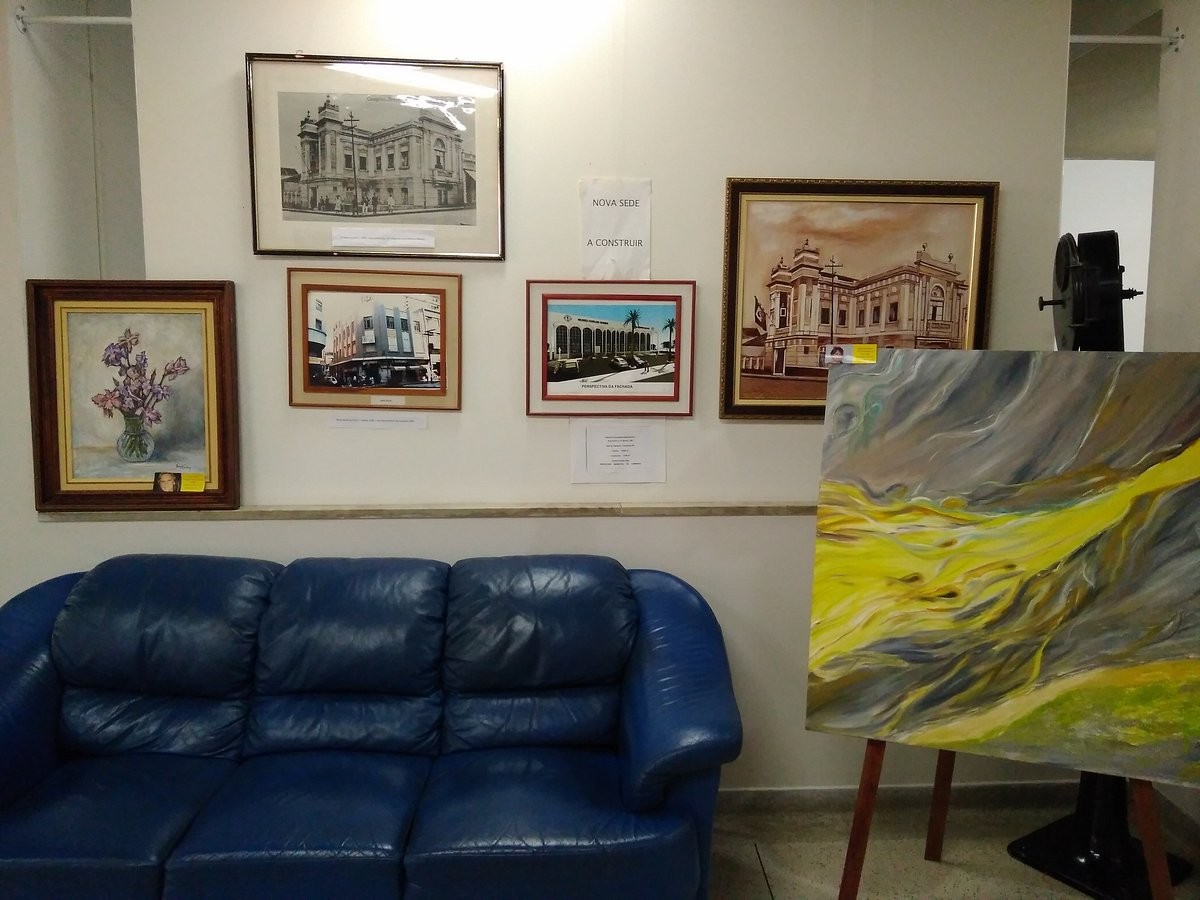
Históricamente, el museo se erige como un pilar vital en la evolución cultural de la región. Establecido para honrar las monumentales contribuciones de Gomes, refleja el florecimiento artístico más amplio de São Paulo durante mediados del siglo XX. La institución no existe de forma aislada, sino que forma parte de un ecosistema intelectual más grande, compartiendo su espacio con la Pinacoteca do Centro de Ciências, Letras e Artes . Esta proximidad permite una experiencia rica y multidisciplinaria, donde convergen la historia de la música, la ciencia y las bellas artes. Exposiciones recientes han profundizado esta conexión, explorando hilos temáticos que vinculan las composiciones de Gomes con los cambios más amplios en la historia brasileña, tales como la influencia de las tradiciones indígenas en las estructuras clásicas y el paisaje evolutivo de la escena teatral en São Paulo.
Una Visión Singular para el Coleccionista Exigente
Lo que realmente distingue al Museu Carlos Gomes de instituciones más grandes y generalizadas es su enfoque inquebrantable y singular. Mientras otros museos pueden aspirar a la amplitud, este museo persigue una profundidad sin parangón, dedicando toda su esencia a la exploración de una sola figura artística. Para el diseñador de interiores o el coleccionista de experiencias culturales, esta concentración ofrece algo raro: un encuentro puro y sin adulteraciones con un movimiento estético específico. Aquí no hay distracciones, solo el estudio profundo de la vida y obra de un maestro. Este enfoque centrado fomenta un entorno de diálogo intenso entre académicos y entusiastas, convirtiéndolo en un destino para aquellos que valoran el matiz de una sola historia bien contada por encima de la superficialidad de muchas.
Más allá de los tesoros de archivo, el museo involucra activamente los sentidos a través de exhibiciones interactivas y programas educativos diseñados para encender la curiosidad en las nuevas generaciones. Es un lugar donde el pasado no solo se observa, sino que se siente. Ya sea que uno se conmueva por la majestuosidad de bronce de la Medalha em homenagem a Antonio Carlos Gomes o se pierda en el análisis académico de una partitura operística, el museo proporciona una experiencia transformadora. Sigue siendo un recurso vital para comprender cómo la visión de un solo compositor puede moldear la identidad cultural de toda una nación, dejando una marca indeleble en el alma de Brasil.