

A Journey Through Time: Exploring Sant'Alessandro (Santa Giulia Museum)
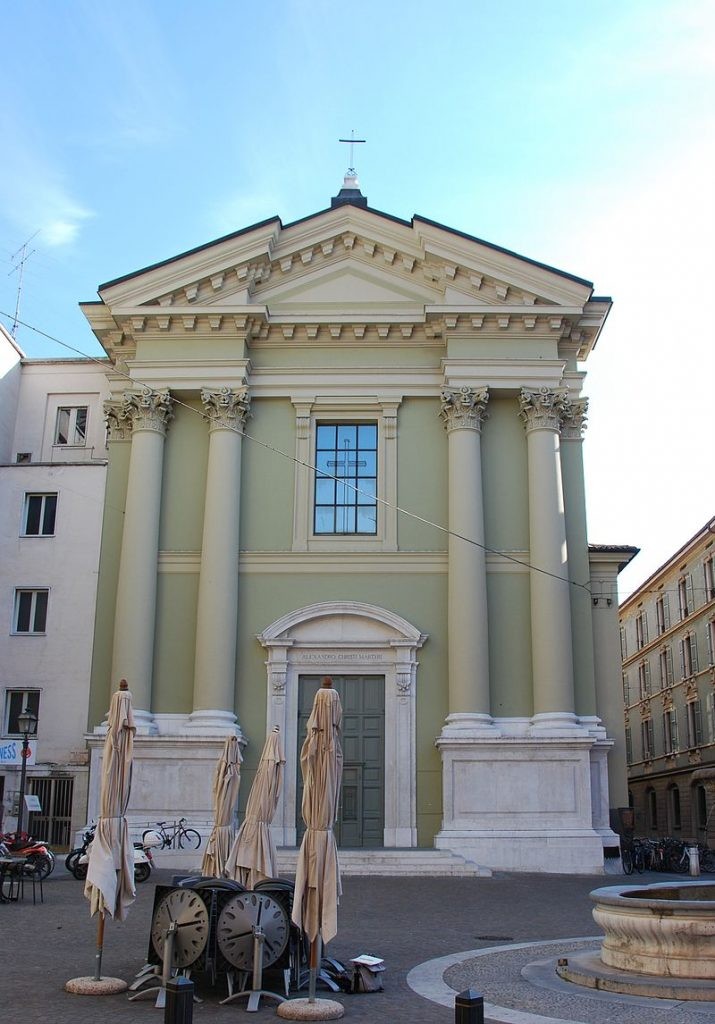
Sant’Alessandro, nestled in Brescia’s historic heart, stands as a singular beacon of Italian artistic heritage – a UNESCO World Heritage Site that transcends the boundaries of mere museum display and invites visitors on an immersive exploration of over two millennia of cultural evolution. More than just walls adorned with masterpieces, this monumental complex embodies the spirit of Brescia itself: resilient, layered, and profoundly connected to its past.The Architectural Tapestry: From Roman Roots to Medieval Splendor
The story begins in Brixia, the formidable Roman city that predated Brescia’s current incarnation. Excavations unearthed impressive Roman ruins – a forum pulsating with civic life, temples dedicated to imperial gods, and residential areas reflecting the grandeur of Roman society. These remnants serve as tangible reminders of Brixia's dominion under the Caesars, showcasing architectural prowess and urban planning techniques characteristic of the era. However, Sant’Alessandro’s narrative doesn’t halt at antiquity; it surges forward into the turbulent era of the Longobards who established their dominion over Italy in the 6th century AD. The monastery itself, a cornerstone of Longobard architecture, exemplifies this period’s distinctive style – characterized by robust construction and monumental proportions. Skilled artisans employed massive stones and intricate carvings to create spaces that resonated with power and solemnity, reflecting the spiritual fervor of the time. Subsequent additions from Byzantine, Carolingian, and medieval periods further enriched its architectural fabric, creating an unparalleled visual dialogue across centuries.Treasures Unearthed: Artistic Expressions Across Eras
The museum’s collection is a testament to the artistic ingenuity of each successive era. Among its most celebrated treasures are the Roman Remains – offering tangible connections to imperial Rome—and particularly remarkable Longobard Art & Architecture, exemplified by the Cross of Desiderius, an intricately crafted ivory casket and numerous illuminated manuscripts that illuminate religious beliefs and artistic techniques of the time. These objects reveal a fascination with symbolism and craftsmanship, demonstrating the meticulous attention to detail prevalent in Longobard art. The medieval holdings showcase sculptures imbued with spiritual fervor and liturgical objects reflecting the solemn rituals of the Middle Ages. Furthermore, Sant’Alessandro houses exceptional pieces from the Renaissance period, notably Moretto da Brescia's paintings – “La Madonna y el Niño con Santos” – which exemplify humanist ideals and masterful artistic execution.Notable Exhibitions & Artistic Highlights
Sant’Alessandro regularly hosts captivating exhibitions that delve into specific themes—ranging from Roman funerary art to Byzantine iconographic traditions—providing visitors with fresh perspectives on Brescia's artistic heritage. Don’t miss the opportunity to admire “Santa María Magdalena y Santa Catalina de Alejandría,” a breathtaking fresco by Simone Martini, showcasing elongated figures and symbolic details rooted in Gothic aesthetics. Also noteworthy is “Monasterio de Santa Ursula” by Hans Memling—a masterpiece of Flemish painting that captures the devotional spirit of Bruges during the Renaissance. And finally, immerse yourself in El Greco’s “Madonna y Niño con Santa Martina y Santa Agnés,” a fusion of Byzantine and Mannerist styles that embodies artistic innovation and spiritual contemplation.What Makes Sant’Alessandro Unique?
What distinguishes Sant'Alessandro from other museums is its extraordinary ability to weave together archaeological discoveries and artistic masterpieces within a historically significant architectural setting. Unlike institutions focused on isolated periods, this complex allows visitors to witness the unfolding drama of Brescia’s history—from Roman grandeur to medieval piety and culminating in Renaissance refinement. It’s an experience that transcends chronological boundaries, fostering a profound appreciation for the enduring legacy of Italian culture. Its location within Brescia's historic center adds to its allure, inviting exploration alongside the city’s vibrant cultural landscape.- Address: Via Moretto, 73/A, Brescia
- Website: https://www.bresciamusei.com/en/