San Zulian: Echoes of Venetian Renaissance Splendor
The San Zulian Museum stands as a poignant testament to Venice’s artistic legacy—a place where the spirit of its former glory persists despite the physical absence of its magnificent church. Located in the heart of Venezia, this museum delves into the story of San Geminiano, a Byzantine edifice that underwent significant transformations throughout centuries, culminating in a breathtaking Renaissance reconstruction spearheaded by Cristoforo da Legname and Jacopo Sansovino. Tragically demolished in 1807 during Napoleonic rule—a deed mourned as “Gallic vandalism”—the church’s fate ensured its artistic treasures would endure, safeguarded within the museum's walls.
A Legacy of Faith and Artistic Innovation
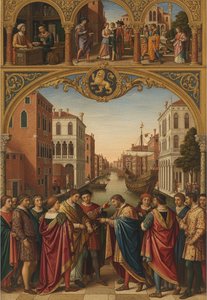
The museum’s core mission revolves around preserving and presenting the dispersed artworks originating from San Geminiano’s chapel. These pieces represent a remarkable snapshot of Venetian Renaissance art, showcasing the mastery of artists like Bartolomeo Vivarini and Paolo Veronese. Among the most celebrated treasures is a panel depicting Saint Mary Magdalene and Saint Barbara by Vivarini—a masterful example of Byzantine influence blended with Venetian artistic sensibilities. The meticulous detail and vibrant colors speak volumes about the artistic standards of the era. Visitors can admire reproductions of paintings that capture the grandeur of Venetian society during the Renaissance period, transporting them back to a time of opulent patronage and unparalleled artistic achievement.
Architectural Marvel: Remembering San Geminiano
San Geminiano’s original structure—a testament to Venetian Byzantine heritage—was dismantled in 1807 following Napoleon's occupation. Despite its disappearance, the museum honors its memory through immersive exhibits that reconstruct its architectural grandeur. The building itself embodies the spirit of Renaissance Venice, reflecting the ambition and innovation of Cristoforo da Legname and Jacopo Sansovino who undertook its final reconstruction. Detailed plans and reconstructions allow visitors to appreciate the scale and elegance of this historic edifice—a symbol of Venetian resilience and artistic determination.
Highlights of the Collection: Vivarini’s Saint Mary Magdalene & Veronese's Vision
The museum’s collection focuses on artworks that once adorned San Geminiano’s altar, offering a glimpse into Venice’s artistic zenith. Particularly noteworthy are reproductions of Bartolomeo Vivarini’s panel depicting Saint Mary Magdalene and Saint Barbara—a stunning demonstration of Byzantine techniques adapted to Venetian aesthetics. The luminous colors and expressive drapery convey the profound spirituality of the period. Furthermore, visitors can explore Paolo Veronese's masterpieces—capturing the splendor of Venetian aristocratic life through monumental canvases that exemplify Baroque grandeur.
Exploring Venetian Artistic Treasures
Recent exhibitions have illuminated connections between Venetian art and broader European artistic trends, fostering dialogue among scholars and enthusiasts alike. The museum’s curators continually strive to deepen understanding of the artworks’ context—examining their iconography, stylistic influences, and significance within the wider cultural landscape. San Zulian invites you on a journey through Venetian history and artistry—a celebration of beauty, faith, and enduring legacy.