Un Legado de Pasión: Revelando los Tesoros del Museo Salar Jung
El Museo Salar Jung se erige como un testimonio inigualable de una visión singular: la del Nawab Mir Yousuf Ali Khan III, Salar Jung III, quien dedicó su vida y una fortuna considerable a reunir una de las colecciones más extraordinarias del mundo. Situado dentro del histórico complejo Dar-ul-Shifa en Hyderabad, India, este museo es mucho más que un mero repositorio de artefactos; es una crónica vibrante tejida con el patrocinio real, el intercambio artístico y una devoción inquebrantable por la preservación del patrimonio cultural. Establecida en 1951 tras el fallecimiento del Nawab, la institución ofrece un viaje inmersivo a través de la historia del arte, revelando no solo objetos, sino las profundas corrientes culturales que los moldearon a lo largo de los siglos.
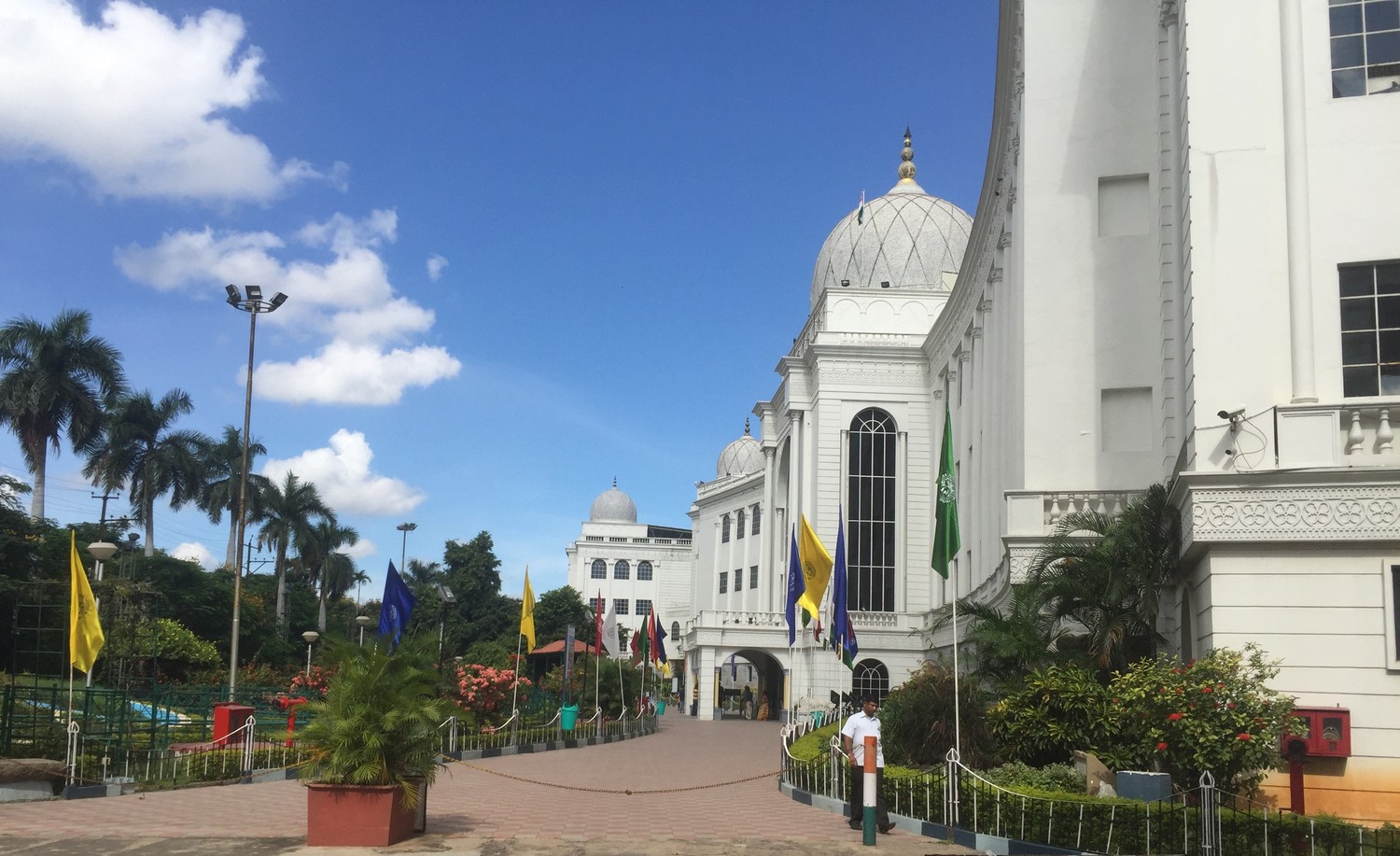
Los orígenes del museo están profundamente arraigados en la ambición de Mir Turab Ali Khan, Salar Jung I, quien se desempeñó como Primer Ministro del Estado de Hyderabad. Impulsado por una profunda fascinación por las antigüedades, emprendió una búsqueda ambiciosa para amasar una colección que rivalizara con los más grandes museos de Europa, un objetivo que su hijo, Salar Jung III, persiguió con resolución y un fervor aún mayor. Si bien la residencia inicial de esta creciente colección fue Diwan Devdi, el museo finalmente se trasladó en 1968 a su magnífico edificio actual. Diseñada por Mohammed Fayazuddin, la arquitectura encarna una mezcla armoniosa de la estética tradicional india con influencias europeas, creando un escenario grandioso que honra la majestuosidad de los tesoros albergados en sus muros.
Un Caleidoscopio de Culturas Globales
Deambular por las salas del Museo Salar Jung es experimentar un caleidoscopio impresionante de tradiciones artísticas globales. La colección es notablemente diversa, abarcando continentes y eras con una fluidez perfecta. En la sección de Arte Indio, los visitantes se encuentran con una asombrosa variedad de esculturas de bronce, que van desde el intrincado detalle de las figuras de Gandhara hasta el poderoso dinamismo de los bronces del Decán. Esta sección también respira con la vida de textiles exquisitos, pinturas en miniatura que representan las escuelas mogol, rajastaní y del Decán, y tallas de marfil que representan los delicados matices de la vida real. Cada pieza sirve como una ventana a la meticulosa artesanía y las sensibilidades estéticas de las épocas indias pasadas.
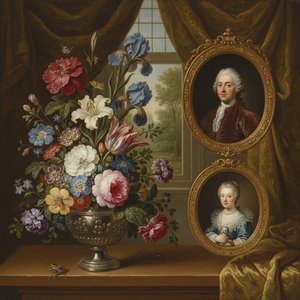
El viaje continúa hacia el este y el oeste a través de galerías curadas que tienden puentes entre civilizaciones distantes. La sección de Arte del Medio Oriente presenta una exhibición deslumbrante de cerámicas de Persia, con vasijas intrincadamente ornamentadas que dan testimonio de siglos de refinamiento artístico, junto con manuscritos iluminados donde la caligrafía y los patrones geométricos encarnan un profundo significado simbólico. Simultáneamente, las colecciones del Lejano Oriente cautivan con la delicada belleza de la porcelana y los bronces chinos y japoneses imbuidos de simbolismo budista. Este diálogo global se completa con la sección de Arte Europeo, que ofrece una selección de pinturas, esculturas y mobiliario que reflejan la estética neoclásica, un testimonio del sofisticado aprecio de Salar Jung III por las formas de arte occidentales.
La Obra Maestra en Mármol y el Espíritu de la Singularidad
Entre los tesoros más celebrados del museo se encuentra, sin duda, “La Rebecca Velada”, una estatua de mármol del escultor italiano Giovanni Maria Benzoni. Esta obra de una belleza inquietante, que representa a Rebeca envuelta en un velo translúcido, es un retrato magistral de la emoción y la destreza técnica que captura el espíritu mismo de la era del Grand Tour. Tales obras maestras son las que definen el alma del museo; no son meras exhibiciones, sino puntos de referencia emocionales que resuenan tanto en los amantes del arte como en los coleccionistas.
Lo que realmente distingue al Museo Salar Jung de otras instituciones patrocinadas por el estado es su fundamento en una pasión personal y singular. A diferencia de muchos museos construidos mediante dotaciones institucionales, esta colección fue reunida por un solo hombre durante treinta y cinco años de dedicada labor de coleccionismo. Este toque personal imbuye al museo con un sentido inigualable de intimidad y autenticidad. Desde el marfil exquisitamente tallado hasta el imponente armamento, cada artículo refleja el gusto refinado y la curiosidad intelectual de un hombre que buscó traer la belleza del mundo a su hogar. Para el diseñador de interiores o el historiador, el museo ofrece una inspiración infinita, representando la cúspide de la creatividad humana y un legado destinado a inspirar a las generaciones venideras.