

Índice
Información clave
- Works on APS: 7
- Featured artists:
- Societe Anonyme La Metallurgique
- camille magnus deutz
- maschinenfabrik emil kessler
- lars magnus ericsson
- Alternate names:
- Museo Nacional Ferroviario
- National Railway Museum
- NMRB
- Location: Braga, Portugal
Test de arte
Cada pregunta tiene una única respuesta correcta.
Pregunta 1:
¿Cuál es el enfoque principal del Museo Nacional Ferroviario en Braga?
Pregunta 2:
¿Cuántos años aproximadamente de historia ferroviaria portuguesa se muestran en el Museo Nacional Ferroviario?
Pregunta 3:
¿Qué tipo de objetos pueden encontrar los visitantes en el Museo Nacional Ferroviario?
Artistas en la colección

Societe Anonyme La Metallurgique
Discover Societe Anonyme La Metallurgique, a Belgian company from the early 20th century known for its railway carriages like '1st Class Coach CN A.13' and religious diptychs. Explore their unique blend of craftsmanship and early Modernist design.


Camille Magnus Deutz
Descubra Camille Magnus Deutz (1853-1894), pintor francés reconocido por paisajes impresionistas del bosque de Fontainebleau y retratos expresivos. Explore su arte y legado artístico único! #ArteFrancés #PinturaPaisajística #CamilleMagnusDeutz

Emil Kessler Maschinenfab
Descubre Maschinenfabrik Emil Kessler – un ingeniero alemán pionero y emprendedor! Conocido por locomotoras innovadoras (N1, E55, E114), impulsó la historia ferroviaria desde 1841.
Artículos relacionados
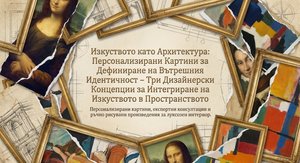
El Lienzo Espacial: Redefiniendo la Identidad Interior a Través de Pinturas Personalizadas
Transforma tu hogar con arte personalizado de calidad museística. Expertos artistas crean lienzos únicos que reflejan tu estilo y emociones. Asesoramiento gratuito y reproducciones hechas a mano.
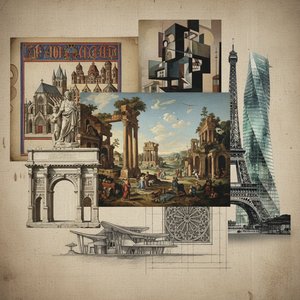
The Enduring Legacy of Architecture in Art: A Historical Survey of Representation & Meaning
Explore the rich history of architecture in art, from Renaissance theory to 19th-century reconstructions. Discover key artists & movements shaping visual representation – a guide for discerning collectors.
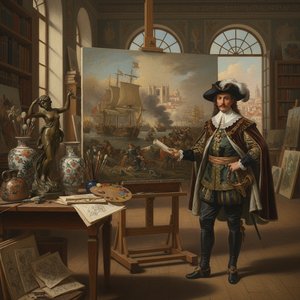
Alfredo Roque Gameiro: A Portuguese Master of Historical Painting & Artistic Eclecticism
Discover Alfredo Roque Gameiro (1864-1935), a renowned Portuguese painter celebrated for his vibrant watercolors and historical illustrations. Explore his legacy & artworks at OriginalUniqueArt.
Catálogo de obras de arte
No se encontraron obras de arte.


Suscríbete a nuestro boletín informativo
Manténgase al día con las últimas noticias de arte, ofertas exclusivas e ideas de decoración.
Obtén 3 sugerencias de arte gratuitas
Cuéntanos sobre tu proyecto y nuestros expertos en arte te ofrecerán 3 sugerencias de obras personalizadas.
Not Sure Where to Start?
Let Us Curate 3 Options Just for You - Free!