

Índice
Información clave
- Alternate names:
- Museo Nacional del Palacio de Corea
- N/A
- 국립고궁박물관
- Museo Nacional del Palacio
- Featured artists:
- lee han-bok
- kim eun-ho (1892-1979)
- gim eung-won
- 楊基薰, Yang Ki-Hun, Seokyeon
- Location: Seúl, Corea del Sur
- Works on APS: 4
Test de arte
Cada pregunta tiene una única respuesta correcta.
Pregunta 1:
¿Cuál es el enfoque principal del Museo Nacional del Palacio de Corea?
Pregunta 2:
¿Cuántos artefactos y tesoros reales aproximadamente posee el museo?
Pregunta 3:
¿Cuál de las siguientes categorías destaca como un logro significativo en la repatriación del patrimonio cultural?
Pregunta 4:
¿Qué caracteriza particularmente al museo en comparación con otras instituciones culturales?
Pregunta 5:
¿Cómo se describe arquitectónicamente el edificio del museo?
Artistas en la colección

Lee Han-Bok
Descubra a Lee Han-bok (Yi Han-bok), pintor coreano (1897-1940) conocido por sus exquisitas pinturas de flores y aves al estilo Nihonga. Explore el arte colonial y su legado.


kim eun-ho (1892-1979)
Explore the skillful nihonga-influenced paintings of Kim Eun-ho, a Korean artist active during Japan's colonial period. Admire his work at Korea’s national museums.

Gim Eung-Won
Descubra a Gim Eung-won (1855-1921), maestro coreano de la pintura de orquídeas y rocas. Sus intrincadas obras en tinta encarnan la elegancia de la dinastía Joseon, admiradas en todo el mundo.
Artículos relacionados
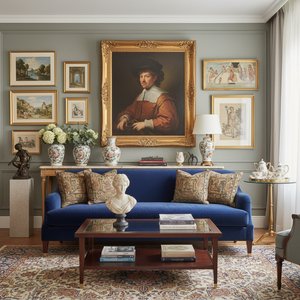
Los 25 Tesoros del Hermitage: Arte Clásico para tu Hogar | OriginalUniqueArt
Descubre los 25 tesoros del Museo Hermitage de San Petersburgo. Explora la historia y belleza de Rembrandt, Leonardo da Vinci y más. Reproducciones de arte en OriginalUniqueArt.com para decorar tu hogar con obras maestras.
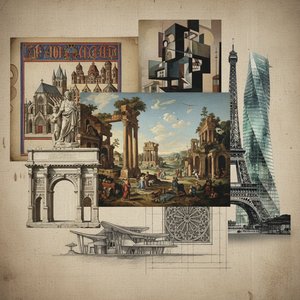
The Enduring Legacy of Architecture in Art: A Historical Survey of Representation & Meaning
Explore the rich history of architecture in art, from Renaissance theory to 19th-century reconstructions. Discover key artists & movements shaping visual representation – a guide for discerning collectors.

Echoes of Heritage: Continuity & Innovation in Traditional Art Forms
Explore the rich history of cultural heritage & folk art traditions worldwide! Discover inspiring artists, preservation efforts, and museum collections. Find handmade oil paintings & expert insights at OriginalUniqueArt.
Catálogo de obras de arte
No se encontraron obras de arte.


Suscríbete a nuestro boletín informativo
Manténgase al día con las últimas noticias de arte, ofertas exclusivas e ideas de decoración.
Obtén 3 sugerencias de arte gratuitas
Cuéntanos sobre tu proyecto y nuestros expertos en arte te ofrecerán 3 sugerencias de obras personalizadas.
Not Sure Where to Start?
Let Us Curate 3 Options Just for You - Free!