Menú
Asesoría de arte gratuita

Museo mittelalterlicher österreichischer Kunst

Datos clave

  • Location: Vienna, Austria
  • Alternate names:
    • Museo del arte medieval austríaca
    • Museo del Arte Medieval Austriaco
    • Museo de Viena del Arte Medieval Austriaca
    • Museo Histórico de Arte
    • Kunsthistorisches Museum
  • Works on APS: 1
  • Featured artists: master of the votive picture of sankt lambrecht

Cuestionario de arte

Cada pregunta tiene una única respuesta correcta.

Pregunta 1:
¿Cuál es el enfoque principal del Museo mittelalterlicher österreichischer Kunst?
Pregunta 2:
¿Qué dinastía Habsburgo contribuyó significativamente a la formación de este museo?
Pregunta 3:
¿Qué tipo de obra artística predomina en el Museo mittelalterlicher österreichischer Kunst?
Pregunta 4:
¿En qué siglo tuvo Austria una edad dorada para la innovación artística según la descripción del museo?
Pregunta 5:
¿Dónde se alojaba originalmente el Museo mittelalterlicher österreichischer Kunst?

A Journey Through Medieval Austrian Art at the Museum mittelalterlicher österreichischer Kunst

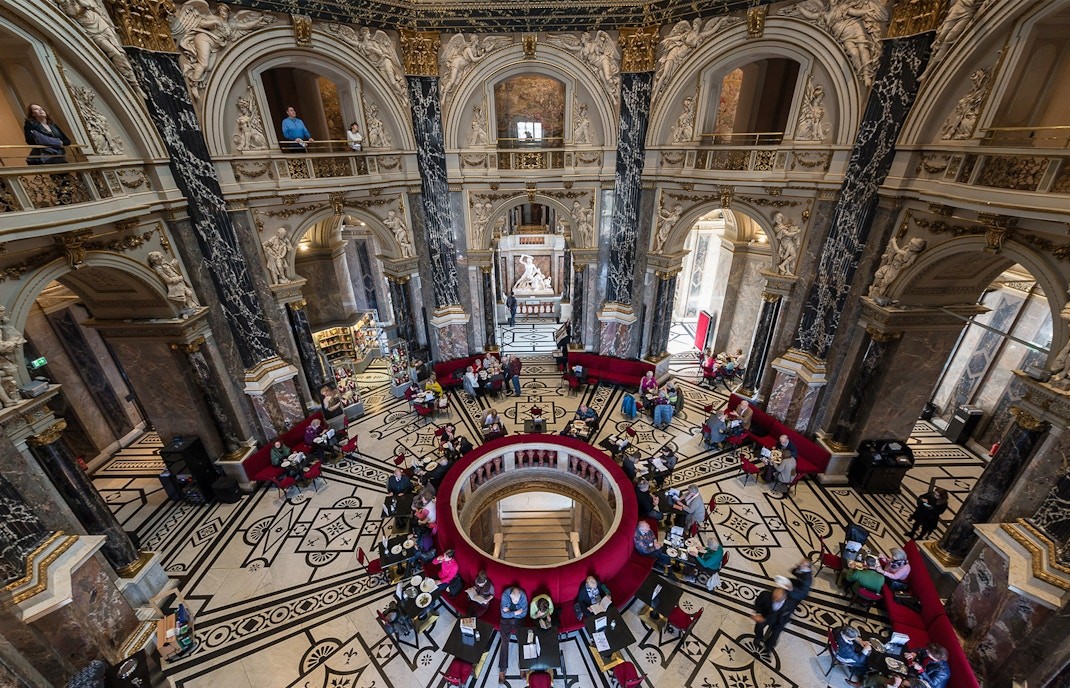
Discover a captivating journey through medieval Austrian art at the Museum mittelalterlicher österreichischer kunst (Museum of Medieval Austrian Art), nestled within the magnificent Kunsthistorisches Museum complex in Vienna. This specialized collection offers an unparalleled glimpse into the artistic and cultural heritage of Austria from the late 12th to the early 16th centuries—a period brimming with religious fervor, royal patronage, and burgeoning artistic innovation.

Medieval Austrian Art: The Heart of Habsburg Legacy

The museum’s core mission revolves around showcasing artworks originating within modern-day Austria during its medieval era. More than just a collection of objects, it represents the embodiment of Habsburg influence—a dynasty that profoundly shaped Austria's identity through ambitious architectural projects and unwavering support for artistic endeavors. Visitors will find themselves immersed in masterpieces crafted by artists responding to the spiritual currents of their time, reflecting both Byzantine grandeur and emerging Gothic sensibilities. The museum’s curators meticulously examine stylistic developments, tracing influences from Italy and Northern Europe to illuminate the broader context of European art history. These pieces stand as tangible reminders of a period defined by faith, power, and artistic experimentation—a testament to Austria's enduring cultural roots.

Sculpture & Panel Painting: Masterpieces of Craftsmanship

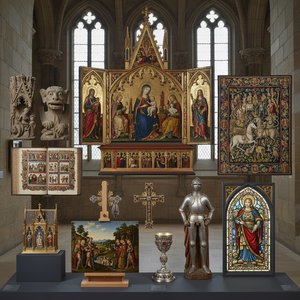
A remarkable array of sculptures—primarily wooden carvings—dominates the museum’s holdings, demonstrating exceptional craftsmanship and artistic skill. These pieces often depict religious figures and saints, reflecting the pervasive piety of the medieval Austrian landscape. Alongside these sculptural treasures are panel paintings, adorned with intricate detail and vibrant colors, showcasing techniques perfected during this formative period. Examining these artworks allows for a deeper appreciation of the materials used—local timber and pigments—and the meticulous processes involved in their creation, offering insights into the daily lives and artistic traditions of medieval Austria. The artistry displayed speaks volumes about the skill and dedication of artisans who sought to honor God through visual representation.

The Renaissance Echoes: Focusing on 15th-Century Innovation

While the museum’s primary focus is on earlier centuries, a particularly strong emphasis is placed on 15th-century Austrian art—a golden age characterized by unprecedented artistic dynamism. Artists like Hans Makart and Ernst Klimt pushed boundaries in painting and sculpture alike, experimenting with new styles and techniques that foreshadowed the Renaissance's arrival in Central Europe. The museum’s exhibitions delve into this transformative period, exploring how artists adapted to changing tastes and embraced humanist ideals—a testament to Austria’s enduring artistic spirit. These works represent a pivotal moment in Austrian art history, signaling a shift toward classical influences and elevating artistic standards.

Architecture & Setting: Belvedere Palace – A Backdrop for History

The Museum mittelalterlicher österreichischer kunst benefits from its prestigious location within the Baroque splendor of Belvedere Palace complex. The Oberes Belvedere, renowned for its breathtaking gardens and panoramic vistas overlooking Vienna, provides an ideal setting for contemplating these historical masterpieces—a deliberate choice designed to enhance visitors’ experience and foster a connection with Austria's artistic past. Exploring the palace itself offers a glimpse into Habsburg grandeur and reinforces the museum’s role as custodian of Austrian cultural heritage. The harmonious blend of architectural design and natural beauty underscores the importance of context in appreciating art’s impact on society.

What Makes It Unique? A Singular Exploration

Unlike larger encyclopedic museums, this collection distinguishes itself through its intensely focused exploration of medieval Austrian art—allowing visitors to engage in profound contemplation and gain unparalleled understanding of stylistic nuances and cultural significance. Furthermore, the dispersed presentation facilitates integration with other collections at Belvedere Palace, offering a more comprehensive panorama of Austrian art history. Don’t miss the opportunity to immerse yourself in this extraordinary artistic legacy!