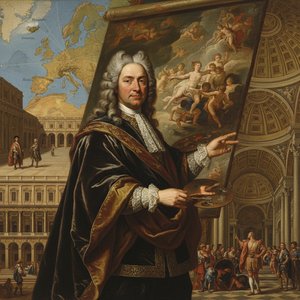
Discover Francesco Campogalliani’s evocative Venetian paintings & church art. Explore his legacy in Mantua & Siena – a master of religious scenes & Italian Renaissance style.
The Giordano Ferrari Museum (Castello dei Burattini – Castle of Puppets) in Parma, Italy, offers a captivating exploration of the rich and vibrant history of Italian puppet theatre. This unique museum is dedicated to preserving and showcasing the art of puppetry, providing visitors with an immersive experience into this fascinating cultural tradition.
Extensive Puppet Collection:
The museum boasts a remarkable collection of over 1,500 puppets from various periods and regions of Italy. This diverse array represents the evolution of puppet design and performance techniques. From intricately carved wooden figures dating back to the Renaissance to modern marionettes crafted with innovative materials, each puppet tells a story – reflecting centuries of artistic tradition and cultural heritage.
Renowned Collections:
A significant portion of the museum’s holdings comes from the esteemed collections of Franco Cristofori and Amilcare Adamoli, two prominent figures in Italian puppetry – individuals who recognized the enduring power of this art form. Cristofori's collection is particularly noteworthy for its meticulous documentation and scholarly analysis, while Adamoli’s contribution encompasses a vast range of puppets representing diverse cultural influences.
Burattini & Marionettes:
The collection includes both *burattini* (hand-manipulated puppets) and marionettes (string puppets), showcasing the different styles prevalent throughout Italy. These instruments of storytelling reflect centuries of artistic tradition. *Burattini*, often operated by a single puppeteer using wooden rods, evoke a sense of immediacy and tactile engagement – allowing audiences to witness the puppet’s movements firsthand. Marionettes, on the other hand, utilize strings attached to joints within the puppet itself, creating more complex and nuanced performances.
Historical Significance:
The museum’s artifacts provide valuable insights into the social, cultural, and artistic contexts in which puppet theatre flourished – from aristocratic courts to popular festivals, revealing much about Italian society. Examining these puppets alongside historical documents illuminates the beliefs, customs, and traditions of past eras—demonstrating how puppetry served as a vehicle for disseminating moral lessons and entertaining audiences across generations.
Architecture & Atmosphere:
Situated in the former monastery of San Paolo, the Castello dei Burattini’s building itself contributes to its unique character. Originally constructed in 1608, it was later renovated by Giuseppe Falconetti, who envisioned a space worthy of the treasures housed within – a testament to Parma’s artistic legacy. The façade is adorned with sculptures depicting scenes from Italian puppet theatre history, creating an environment that transports visitors back in time and fosters contemplation about the art form's enduring appeal.
Notable Exhibitions:
The museum regularly hosts exhibitions exploring different aspects of Italian puppetry history and technique, featuring both original puppets and reproductions from international collections. Recent shows have focused on the influence of folklore and mythology on puppet performances and on the role of puppetry in educational contexts – demonstrating its versatility as a medium for conveying narratives and fostering creativity.
A Visit Worth Remembering
A visit to the Giordano Ferrari Museum is an unforgettable journey into the world of Italian puppet theatre – a testament to creativity, craftsmanship, and cultural storytelling. It’s more than just seeing puppets; it's experiencing the spirit of Parma’s artistic heritage. Don’t miss the opportunity to delve deeper into this captivating tradition and discover its profound connection to Italy’s cultural past.
Por el equipo editorial de OriginalUniqueArt.com
Cuestionario de arte
Cada pregunta tiene una única respuesta correcta.
Pregunta 1:
¿Cuál es el enfoque principal del Museo Giordano Ferrari?
Pregunta 2:
¿Cuántos títeres aproximadamente alberga la colección del museo?
Pregunta 3:
¿De qué figuras destacadas aportaron significativamente a la colección de títeres del museo?
Pregunta 4:
¿Qué diferencia entre *burattini* y marionetas?
Pregunta 5:
¿Cómo recrea el museo el ambiente de los espectáculos tradicionales de marionetas?
Explore the rich history of cultural heritage & folk art traditions worldwide! Discover inspiring artists, preservation efforts, and museum collections. Find handmade oil paintings & expert insights at OriginalUniqueArt.
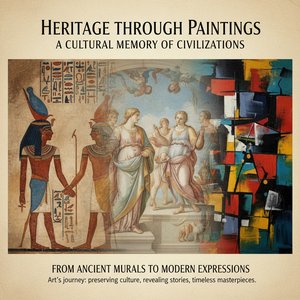
Descubre cómo la pintura ha preservado la memoria cultural de las civilizaciones a través de los siglos. Análisis experto, técnicas ancestrales y el legado artístico que perdura en el tiempo.
Explore the life & works of Luca Giordano, the celebrated Neapolitan Baroque master. Discover his prolific fresco cycles, Roman commissions, and lasting influence on European art history. Learn more at OriginalUniqueArt.
OAsistente de estudioEn línea · responde en un minuto
¡Hola! Puedo ayudarte a elegir una obra de arte, realizar el seguimiento de un pedido o resolver tus dudas sobre la garantía. ¿En qué puedo ayudarte hoy?