A Silent Symphony of Renaissance Splendor: Museo di San Salvi
Nestled within the heart of Florence, Museo di San Salvi stands as a testament to artistic devotion and architectural grace—a sanctuary for those seeking an authentic encounter with the glories of the High Renaissance. More than just a museum, it’s a journey back in time, into the serene walls of what was once a vibrant Vallombrosan abbey, now meticulously preserved to showcase its extraordinary treasures.
-
Historical Roots:
Founded in the 11th century by Benedictine monks, San Salvi’s story began as a place of prayer and scholarship. However, it endured significant upheaval during the tumultuous Siege of Florence in 1529, where its original structure suffered considerable damage. Remarkably, the church retained its distinctive Latin-cross design and rectangular apse—a deliberate choice reflecting the spiritual ethos of its founders.
-
Architectural Marvel:
The building’s façade is adorned with a striking portico designed by Giovanni Battista Sant'Ambrogio, adding an elegant counterbalance to the solemn interior. Its walls are clad in Tuscan marble, contributing to the museum’s tranquil atmosphere and providing a stunning backdrop for its artistic masterpieces.
The Heartbeat of Florentine Art: Andrea del Sarto’s Last Supper
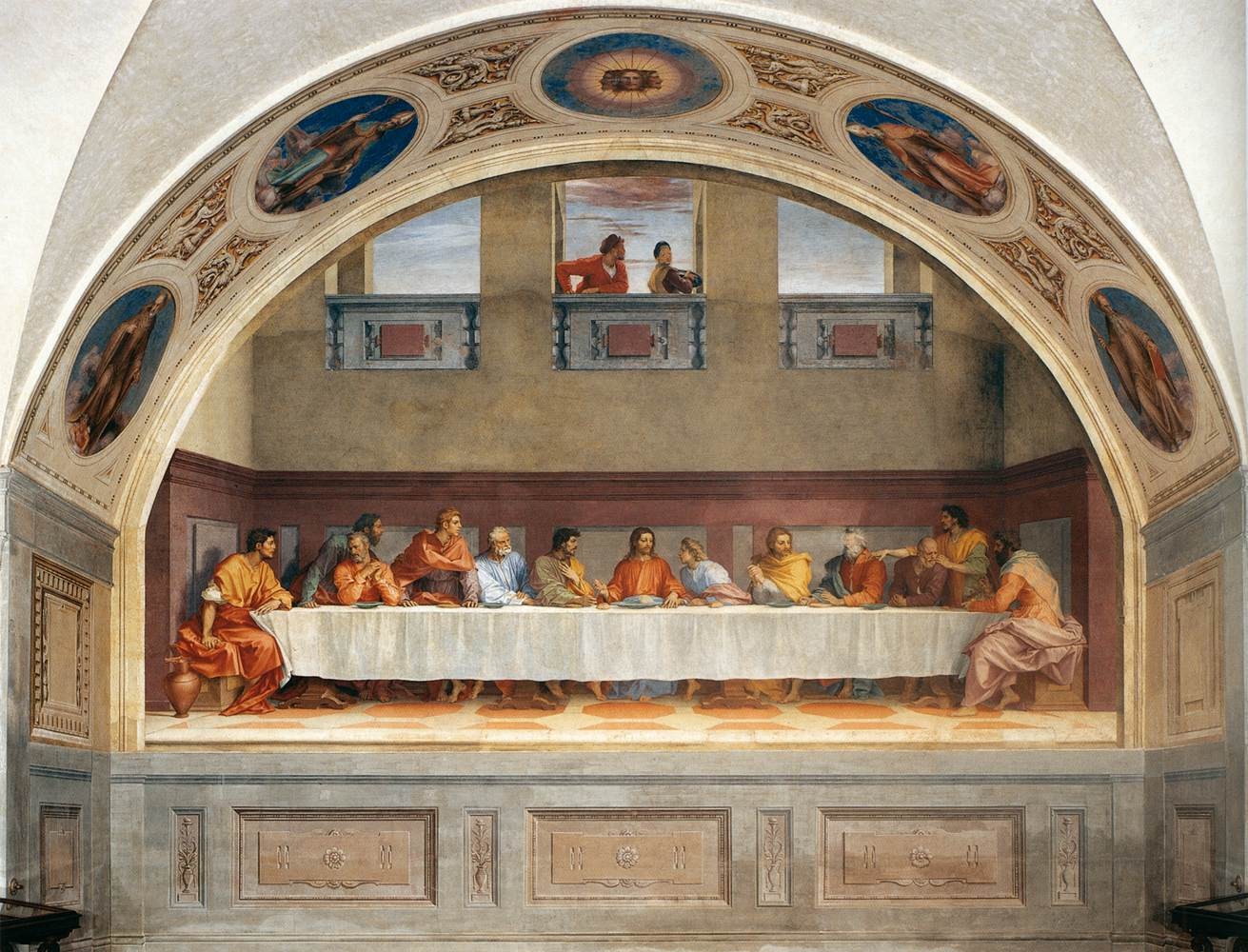
The Museo di San Salvi's centerpiece is undeniably Andrea del Sarto’s monumental fresco, *The Last Supper*, completed between 1519 and 1527. This ambitious undertaking captures the pivotal moment recounted in Holy Scripture—Jesus sharing his final meal with his disciples—and exemplifies Sarto’s unparalleled mastery of perspective, composition, and psychological realism. As highlighted in
offers more information about this remarkable museum.
, this artwork is a cornerstone of Florentine Renaissance art. The fresco’s vibrant colors and masterful depiction of human emotion continue to inspire awe and admiration centuries later, demonstrating Sarto's profound understanding of the human condition.
-
Beyond the Fresco:
Complementing Sarto’s masterpiece are works by other luminaries of the Renaissance, including Vasari and Pontormo. These artists contributed to the museum's collection with paintings that explore themes of spirituality, human emotion, and artistic innovation—each piece offering a glimpse into the intellectual currents shaping Florentine culture during its golden age.
A Window into Florentine History
Museo di San Salvi offers visitors a unique opportunity to delve into the history of the Vallombrosan order—a monastic institution renowned for its piety and intellectual pursuits. The museum’s exhibits illuminate the influence of historical events, such as the Siege of Florence, on artistic production and architectural preservation. Examining these connections provides invaluable insight into the broader cultural landscape of Renaissance Italy – a period defined by both artistic brilliance and political instability.
Notable Exhibitions & Ongoing Research
Throughout its history, Museo di San Salvi has hosted exhibitions showcasing both Italian and international art treasures. Recent initiatives have focused on analyzing Sarto’s innovative techniques—particularly his masterful use of chiaroscuro—and comparing Florentine artistic styles with those emerging across Europe during the Renaissance. Collaborations with leading scholars ensure that Museo di San Salvi remains at the forefront of research into Florentine art heritage.
Why Museo di San Salvi Stands Apart
Unlike the grand palaces and bustling galleries that dominate Florence’s cultural panorama, Museo di San Salvi presents a contemplative experience—a chance to immerse oneself in the beauty of art within a tranquil setting. Its understated elegance and profound artistic heritage solidify its position as an unforgettable destination for discerning travelers and collectors alike.
invites you to discover the secrets hidden within its walls.