Menú
Asesoría de arte gratuita

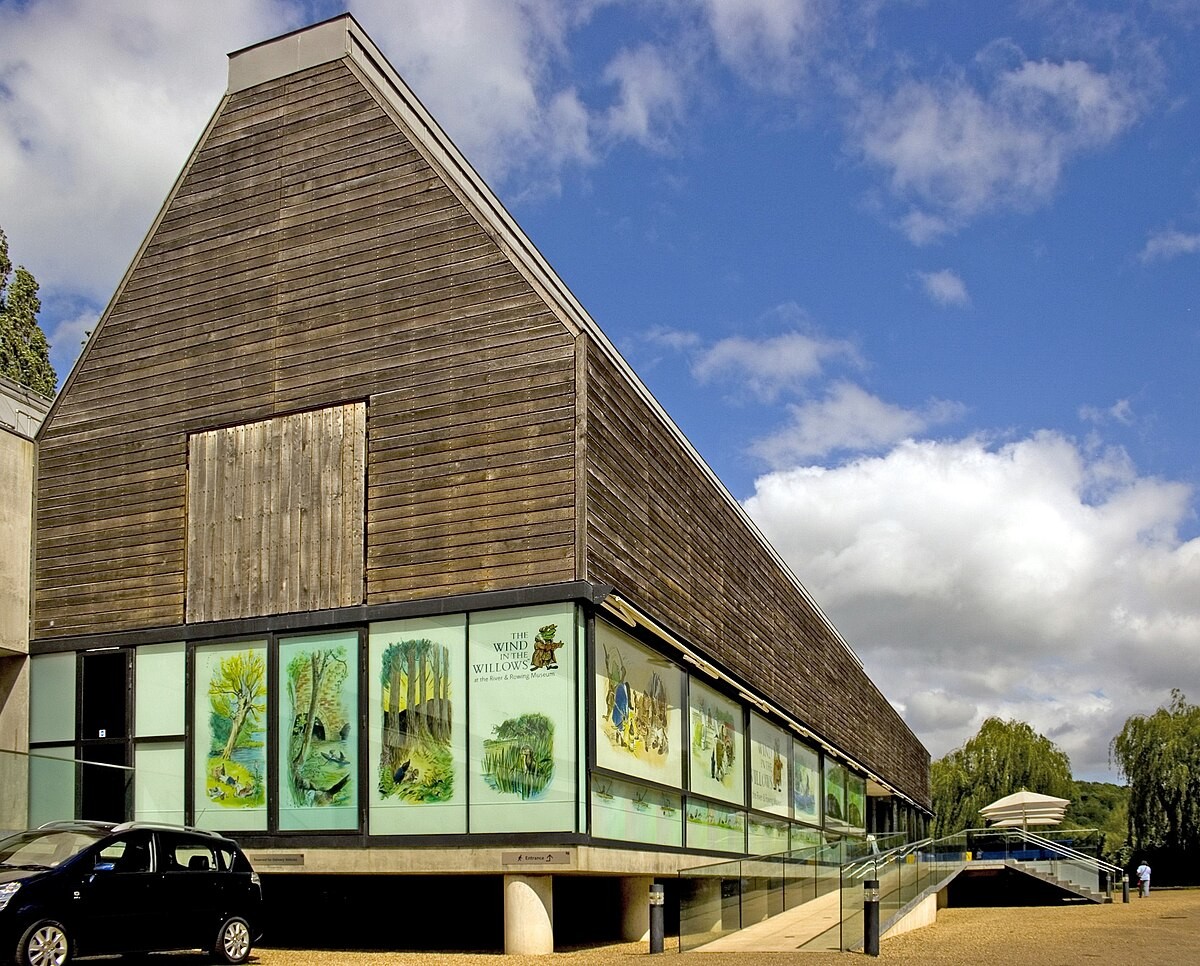
Museo del Río - Museo de la Rodada

Información clave

  • Featured artists:
    • Frederick Waters Watts
    • John Piper
    • Nick Schlee
    • Jan Siberechts
    • chris gollon
  • Art types: arte de pared
  • Location: Thames, Nueva Zelanda
  • Movements: impressionistic landscape
  • Ver más…
  • Works on APS: 12
  • Mediums: acrílico sobre lienzo
  • Alternate names:
    • Museo del Río - Museo de la Regata
    • Museo de la Regata
    • Museo del Río
    • RRM

Test de arte

Cada pregunta tiene una única respuesta correcta.

Pregunta 1:
¿Cuál es el enfoque principal de la narrativa del Museo del Río - Museo de la Rodada?
Pregunta 2:
¿Cómo contribuye la arquitectura del museo a su experiencia?
Pregunta 3:
¿Qué tipo de artefactos adicionales incluye la colección del museo?
Pregunta 4:
¿Qué caracteriza especialmente una obra de arte exhibida en el museo?
Pregunta 5:
¿Por qué se considera que el Museo del Río - Museo de la Rodada es un lugar esencial para la educación y el compromiso comunitario?

Echoes of Oars and Artistic Visions: Exploring the River – Rowing Museum

Nestled in the heart of Thames, New Zealand, the River – Rowing Museum stands as a captivating testament to the enduring connection between humanity and water—a relationship celebrated not merely through sport but woven into the very fabric of New Zealand’s cultural heritage. More than simply preserving rowing history; it embodies the spirit of dedication, resilience, and community that defines both the sport and the region itself. From its thoughtfully designed architecture mirroring the expansive Waikato River to its meticulously curated collection spanning centuries, a visit here is an immersive journey into a world where tradition meets innovation—a space destined to inspire awe and contemplation. A Collection That Speaks Volumes: Artifacts of Tradition and Technique The museum’s core strength resides in its impressive assemblage of objects documenting the evolution of rowing across time. The collection isn't merely comprised of rowing equipment; it encompasses a diverse array of artifacts that illuminate the broader maritime heritage of New Zealand. Vintage rowing shells—beautifully preserved relics from bygone eras—represent the earliest stages of this narrative, showcasing craftsmanship and artistry honed over generations. Alongside these treasures are meticulously crafted watercraft models—replicas capturing the grandeur of historic vessels—providing tangible representations of seafaring traditions. Furthermore, visitors can marvel at navigational tools—instruments used by explorers and mariners charting unknown waters—demonstrating the ingenuity and determination required to navigate uncharted territories. Recent research confirms that Henley-on-Thames’s River & Rowing Museum has sadly closed its doors, highlighting the importance of supporting institutions like Thames's museum which champion cultural preservation and deliver unforgettable experiences. Architecture Designed for Inspiration: Embracing the Rhythm of Water The museum’s architectural design is intrinsically linked to its thematic focus—a deliberate choice reflecting the profound influence of water on New Zealand culture. Constructed with a modernist aesthetic yet grounded in functional considerations, the building prioritizes open spaces that maximize natural light and create an atmosphere conducive to exploration. These expansive areas mirror the flow of the Waikato River itself, fostering a sense of openness and connection to the surrounding landscape—a visual metaphor for the museum’s mission: to celebrate rowing alongside New Zealand's maritime heritage. Interactive zones encourage visitors to engage directly with exhibits, promoting active learning and fostering a deeper appreciation for the collection’s significance. The building’s orientation captures panoramic views of the river, reinforcing its role as a central element in Thames’s identity and enhancing the overall visitor experience. Celebrating Rowing Through Artistic Interpretation: Notable Exhibitions & Visual Narratives Throughout its history, the River – Rowing Museum has hosted exhibitions that delve into the multifaceted relationship between rowing and artistic expression—demonstrating how creative mediums can illuminate historical events and inspire contemporary reflection. Particularly noteworthy is John Edgar Platt’s ‘Wartime Traffic,’ an Impressionistic oil painting depicting river activity during London's Blitz—a poignant visual record of resilience and determination amidst adversity. Platt’s masterful brushstrokes capture the urgency and drama of wartime London, conveying emotion through artistic medium with remarkable sensitivity. Similarly, Platt’s ‘Fire Services, Hungerford Bridge’ showcases his ability to convey emotion through artistic medium—capturing a moment of crisis while simultaneously celebrating the spirit of heroism. These exhibitions underscore the museum's commitment to fostering dialogue between history and art, highlighting how creative interpretation can enrich our understanding of cultural heritage. A Singular Destination: Thames’s Legacy of Rowing & Maritime Culture What distinguishes the River – Rowing Museum as a truly exceptional cultural destination is its holistic approach—recognizing water-based activities not just as sport but as integral components of New Zealand’s identity. Its location along the Waikato River provides visitors with an unparalleled opportunity to immerse themselves in Thames’s rich maritime heritage alongside rowing traditions—a convergence that speaks volumes about the nation's enduring fascination with exploration, perseverance, and artistic expression. The museum’s collection—spanning from antique oars to contemporary sculptures—offers a multifaceted perspective on this interwoven narrative—making it a must-visit for art enthusiasts, collectors, and anyone seeking inspiration from New Zealand’s captivating past.

Catálogo de obras de arte

No se encontraron obras de arte.