

Información clave
- Featured artists:
- salomo d'italia
- Toshiba Europa (I.E.) Ltd.
- gian luca rossi
- francesco scaramuzza (sissa, parma, 1803-parma 1886)
- inghilterra
- Works on APS: 19
- Location: Langhirano, Italia
- Alternate names:
- Museo del Prosciutto de Parma
- Museo del Jamón
- Prosciutto Museum
- Museo del Prosciutto di Parma
- Museo del Jamón de Parma
Test de arte
Cada pregunta tiene una única respuesta correcta.
Pregunta 1:
¿Cuál es el Museo del Prosciutto de Parma principalmente dedicado a?
Pregunta 2:
¿Según la descripción del museo, dónde tienen raíces históricamente los primeros productores de prosciutto?
Pregunta 3:
¿Qué papel juegan los *lardaroli* en la historia de la producción de prosciutto según lo descrito por el museo?
Pregunta 4:
¿Qué importancia tienen el agua salada, el aire y el tiempo para lograr el sabor único y la textura distintiva del prosciutto según destaca el museo?
Pregunta 5:
¿Dónde está situado Langhirano, el pueblo asociado al Museo del Prosciutto de Parma?
Artistas en la colección

Salomo D'Italia
¡Explora los intrincados grabados en cobre de Salom D'Italia! Sus icónicos rollos de Ester combinan temas de la diáspora judía y la liberación holandesa, mostrando una visión artística única.


Toshiba Europa (I.E.) Ltd.
Toshiba Europa (I.E.) Ltd. is a contemporary artist known for innovative technology integrations in their work, pushing boundaries and creating unique experiences; discover the future of art with Toshiba Europa.

Gian Luca Rossi
Gian Luca Rossi: Periodista deportivo y presentador de TV italiano. Conocido por su arte cautivador que documenta el mundo del salame y la producción de vino. Explora su narrativa visual única.
Artículos relacionados

Gastronomía Estética: El Papel de las Colecciones de Arte Curadas en la Conformación de la Percepción de las Experiencias Gastronómicas Michelin
Descubra cómo la curaduría artística transforma hoteles en experiencias inolvidables. Asesoramiento experto, colecciones exclusivas y estrategias para potenciar su marca y atraer clientes de alto valor.
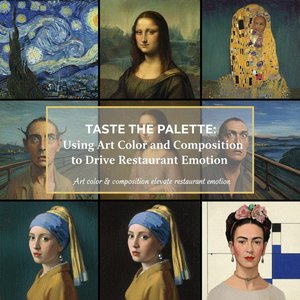
Paleta y Plato: El Impacto Psicológico del Color y la Composición en la Experiencia Culinaria
Descubre cómo el color y la composición influyen en tu experiencia gastronómica. Análisis experto de la psicología del color aplicada a la alta cocina para restaurantes y amantes del buen comer.

Gastronomía Visual: Curando Experiencias Artísticas en Zonas de Comedor – Un Enfoque de Degustación para el Diseño de Bares, Salones y Restaurantes
Transforma tu restaurante con curaduría artística experta. Crea ambientes memorables que elevan la experiencia gastronómica y fidelizan a tus clientes. Asesoramiento profesional y obras únicas.
Catálogo de obras de arte
No se encontraron obras de arte.


Suscríbete a nuestro boletín informativo
Manténgase al día con las últimas noticias de arte, ofertas exclusivas e ideas de decoración.
Obtén 3 sugerencias de arte gratuitas
Cuéntanos sobre tu proyecto y nuestros expertos en arte te ofrecerán 3 sugerencias de obras personalizadas.
Not Sure Where to Start?
Let Us Curate 3 Options Just for You - Free!