
Índice
Información clave
- Works on APS: 1
- Location: Lutsk, Ucrania
- Alternate names:
- Museo del Ícono de Volín
- Volín Icon Museum
- Museo : Museum of Volyn Icon
- Volyn Icon Museum
- Featured artists: orthodox icons
Test de arte
Cada pregunta tiene una única respuesta correcta.
Pregunta 1:
¿Cuál es el enfoque principal de la colección del Museo del Ícono de Volín?
Pregunta 2:
¿Cuántos iconos aproximadamente alberga el museo?
Pregunta 3:
¿Qué distingue a este museo de otros museos con colecciones más amplias?
Pregunta 4:
¿El significado histórico del museo proviene de...
Pregunta 5:
¿Qué estilo arquitectónico está asociado con el entorno del museo?
Artistas en la colección

Iconos Ortodoxos
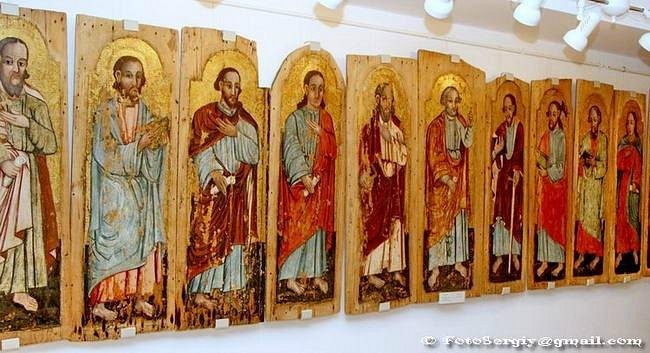
¡Explora impresionantes iconos ortodoxos de Vladimir Manzhos y otros! Arte cristiano oriental tradicional con figuras religiosas, simbolismo e historia. Descubre obras icónicas.

Artículos relacionados

Sacred Narratives on Canvas: Exploring Religious Scenes & Their Enduring Influence
Explore the rich history of religious art from Giotto to the Renaissance masters with OriginalUniqueArt. Discover symbolism, techniques & enduring legacies. Museum-quality reproductions available.
Sacred Narratives Embodied: A Comprehensive Exploration of Religious Iconography in Art History
Explore the rich history of religious iconography in art! Discover symbolism, movements & masterpieces from Byzantine to Renaissance periods. Expert insights for collectors and enthusiasts at OriginalUniqueArt.
Armonizando Historia y Tono: Una Guía para Combinar Estilos Artísticos con la Arquitectura Interior para una Decoración Equilibrada
Guía experta para combinar estilos artísticos con tu arquitectura interior. Crea espacios equilibrados y elegantes con nuestros consejos y reproducciones de alta calidad. ¡Transforma tu hogar!


Suscríbete a nuestro boletín informativo
Manténgase al día con las últimas noticias de arte, ofertas exclusivas e ideas de decoración.
Obtén 3 sugerencias de arte gratuitas
Cuéntanos sobre tu proyecto y nuestros expertos en arte te ofrecerán 3 sugerencias de obras personalizadas.
Not Sure Where to Start?
Let Us Curate 3 Options Just for You - Free!