A Window into Kakheti’s Soul: Exploring Sighnaghi Museum
Nestled within the fortified walls of Sighnaghi – a UNESCO World Heritage Site – lies a treasure trove of history and culture: Sighnaghi Museum. This institution isn't merely a repository of artifacts; it’s an immersive experience that transports visitors back in time, offering unparalleled insight into Georgian art history and its commitment to preserving Kakheti’s traditions—a region celebrated for its breathtaking landscapes and exceptional wine production.
A Treasure Trove of Kakhetian Antiquities
The museum's core strength resides in its impressive archaeological collection, painstakingly assembled from sites scattered across the Alazani Valley. These excavations have yielded remarkable finds spanning millennia – fragments of ancient ceramics bearing intricate geometric patterns, monumental sculptures depicting mythological figures embodying Georgian folklore and symbolism, and intricately crafted jewelry reflecting the artistic prowess of civilizations that flourished long before Georgian history as we know it. Each piece whispers tales of trade routes, religious beliefs, and societal evolution, providing invaluable context for understanding Kakheti’s complex past. Researchers actively utilize these discoveries to reconstruct narratives about Georgia's formative years—a testament to the region’s enduring legacy.
The Vibrant Tapestry of Ethnographic Tradition
Beyond the archaeological realm, Sighnaghi Museum showcases a captivating panorama of Kakhetian ethnography. Visitors can marvel at exquisitely embroidered costumes—symbols of regional identity and familial heritage—alongside handcrafted tools reflecting daily life in rural communities. Decorative arts – intricately woven rugs depicting stylized floral motifs and vibrant ceramics adorned with geometric designs – further illuminate the region’s artistic sensibilities. These objects aren't simply relics; they are living embodiments of Kakhetian culture, demonstrating how traditions continue to shape contemporary Georgian society—a beautiful juxtaposition between ancient artistry and modern life.
Niko Pirosmani: Capturing Georgian Essence
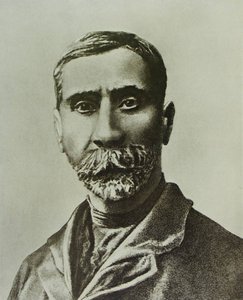
Perhaps Sighnaghi Museum’s most celebrated collection is its assemblage of works by Niko Pirosmani (1864-1912), a self-taught Georgian painter who achieved international renown for his distinctive portraits and landscapes. Pirosmani's canvases possess an ethereal quality, characterized by muted colors—often dominated by earthy tones—loose brushstrokes that convey movement and emotion, and a masterful manipulation of light—techniques that evoke the melancholic beauty of the Caucasus Mountains and capture the spirit of Georgian peasantry. His art transcends mere representation; it embodies a profound understanding of human emotion and a deep connection to the natural world – qualities that resonate powerfully with viewers today. The museum’s curators have meticulously documented Pirosmani's artistic process, illuminating his innovative approach to painting and celebrating his contribution to Georgian visual culture.
Architectural Harmony & Panoramic Views
The museum’s building itself contributes significantly to its overall appeal. Constructed in accordance with Sighnaghi’s architectural heritage—a charming town famed for its fortified walls and traditional Georgian houses—the structure seamlessly blends into the surrounding landscape. Large windows offer breathtaking vistas of the Alazani Valley, enhancing the visitor experience and framing the museum’s treasures against a backdrop of rolling hills and vineyards. This deliberate design underscores the institution's commitment to preserving both Kakhetian culture and its stunning natural environment—a harmonious blend of artistic inspiration and scenic grandeur.
A Legacy of Preservation & Artistic Dialogue
Established with the singular purpose of safeguarding Kakheti’s cultural heritage, Sighnaghi Museum has evolved into a cornerstone of Georgian scholarship and tourism. Ongoing exhibitions explore connections between art history and contemporary society, fostering dialogue about artistic expression across generations. Its dedication to contextual understanding—combining archaeological research with ethnographic observation—solidifies its position as a vital resource for anyone seeking to grasp the essence of Georgia’s artistic legacy. The museum continues to attract scholars from around the globe who study Kakhetian art history and contribute to its ongoing preservation—a testament to Sighnaghi's enduring significance as a cultural center.