The Royal Yeomanry: A Legacy of Service Embodied in Swindon’s Architectural Heart
Nestled within Swindon’s historic Town Gardens, the museum dedicated to The Royal Yeomanry stands as a testament to British military heritage and artistic preservation. Though currently closed to public visits, its collection—spanning over two centuries—offers an unparalleled glimpse into the regiment's evolution and its enduring connection to Wiltshire’s landscape.
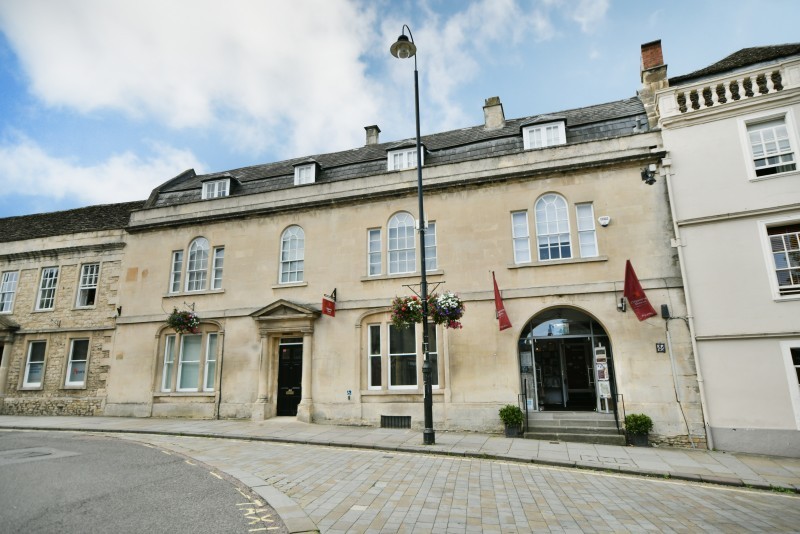
Architectural Context: The museum building itself is notable for its terraced houses on Bristol Street, reflecting Swindon’s Victorian grandeur. Designed in 1897 by William Burrell, it embodies a Beaux Arts style characterized by symmetrical facades and ornate detailing—a deliberate choice to honor the regiment's prestige and commemorate its achievements.
History & Evolution: Established in 1794, The Royal Yeomanry has undergone transformative shifts throughout its history. Initially serving as a local militia tasked with defending Wiltshire during periods of unrest, it transitioned into a prominent cavalry unit participating in both World Wars and the Cold War, consistently adapting to changing military needs. Detailed regimental records chronicle its formation, highlighting key figures and significant deployments—a journey marked by unwavering dedication to safeguarding Britain’s interests.
Collection Highlights: The museum’s core comprises meticulously curated artifacts documenting The Royal Yeomanry’s history. Among these treasures are photographs capturing pivotal moments in military campaigns, letters penned by officers conveying the spirit of camaraderie and bravery during wartime—a poignant reminder of the regiment's contribution to British defense.
WWII Artifacts & CBRN Defense Unit: A fascinating chapter unfolded during the 1990s when The Royal Yeomanry embraced its role as Britain’s Nuclear, Biological and Chemical Defense Unit. Exhibits showcase protective gear and training materials illustrating the challenges faced by military personnel safeguarding national security—a testament to adaptability and innovation within the Armed Forces.
Notable Exhibitions & Ongoing Research: Recognizing the importance of disseminating knowledge about The Royal Yeomanry’s legacy, curators regularly organize exhibitions exploring themes such as cavalry warfare’s evolution and the role of Wiltshire volunteers in defending Britain. Ongoing research endeavors aim to uncover new insights into the regiment’s history and its impact on local communities—preserving this remarkable story for future generations.
What Sets It Apart: The Royal Yeomanry distinguishes itself as the sole British Army reserve unit awarded a battle honour since WWII—a symbol of unwavering dedication and service. Its unique position within the Armed Forces reflects a commitment to preserving tradition while adapting to contemporary demands. Exploring this museum is more than just observing artifacts; it’s immersing oneself in a narrative of courage, resilience, and Wiltshire’s contribution to British military history.