


A Journey Through Spanish Art: Unveiling Treasures at Valencia’s Museo de Bellas Artes
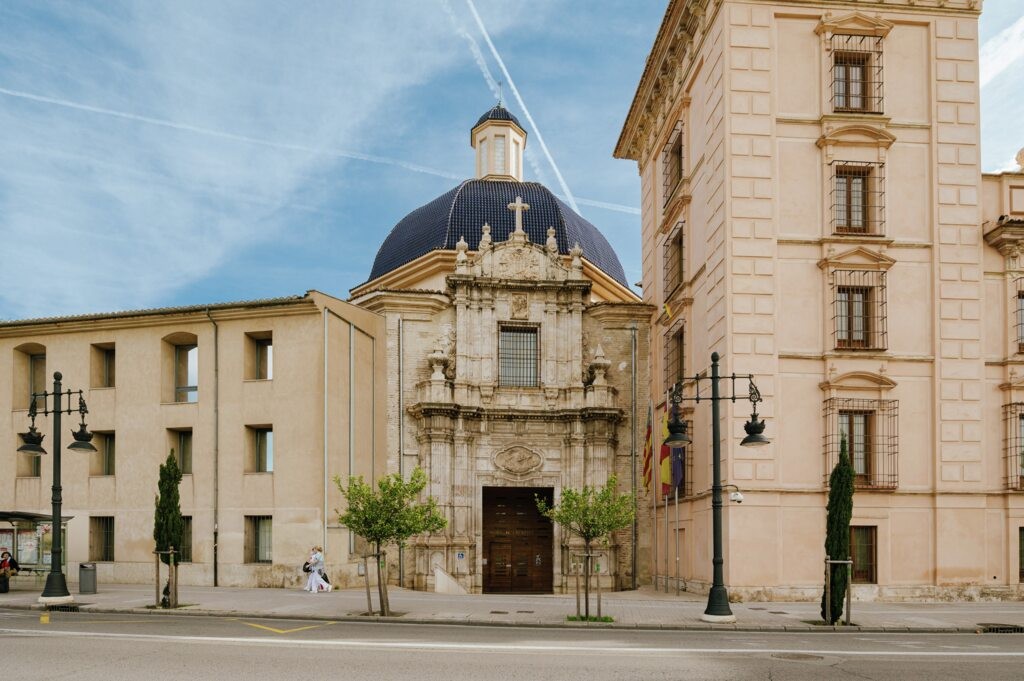
Nestled within the opulent Palacio de San Pio V, a masterpiece of 17th and 18th-century architecture in the heart of Valencia, lies the Museo de Bellas Artes – a sanctuary dedicated to preserving and celebrating the rich artistic heritage of Spain. Founded in 1913, this museum isn’t merely a repository of paintings; it's a vibrant chronicle of Spanish art history, spanning from the 14th century through the 19th, offering visitors an immersive experience that transcends time and style. More than just a collection, it’s a testament to Valencia’s pivotal role as a cultural crossroads and a window into the soul of Spain.
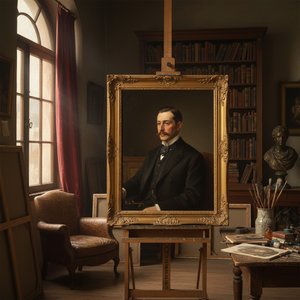
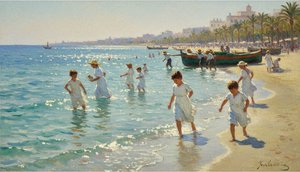
The museum's strength resides in its remarkably diverse holdings, beginning with a significant representation of Spanish Masters. Here, one encounters the brooding intensity of Francisco Goya – notably his captivating “Playing Children,” a poignant study of human emotion rendered with startling realism; the self-assured gaze of Diego Velázquez, whose portrait captures both artistic brilliance and personal introspection; and the luminous landscapes of Joaquín Sorolla y Bastida, particularly “In Hope of the Fishing,” which embodies the golden light and vibrant spirit of Valencia’s coastal life. Beyond these giants, the museum boasts a remarkable collection of Renaissance and Baroque masterpieces, including El Greco's profoundly moving “St. John the Baptist,” a work brimming with spiritual yearning and symbolic complexity. The dramatic intensity of the Baroque is further exemplified by works showcasing dynamic compositions and theatrical lighting – a period where art served as a powerful tool for religious expression. The museum also houses impressive sculptures, intricate engravings—particularly a series by the masterful Giovan Battista Piranesi, renowned for his evocative depictions of Roman ruins—and intriguing archaeological finds that illuminate the region’s past, creating a truly multi-faceted experience.
Architectural Splendor: A Palace Within a Masterpiece
The Museo de Bellas Artes is inextricably linked to its extraordinary home – the Palacio de San Pio V. Constructed between the 17th and 18th centuries, this palace isn’t simply a building; it's an artwork in itself. Its façade, adorned with intricate carvings, classical columns, and elegant balconies, immediately commands attention. Stepping inside reveals a world of opulent interiors – soaring ceilings, richly decorated walls, and meticulously crafted details that speak to the grandeur of the era. The palace’s design reflects the Baroque aesthetic, characterized by its dramatic use of light, space, and ornamentation. The museum's curators have skillfully integrated this architectural setting into the visitor experience, allowing the artworks to resonate within their historical context – a powerful reminder of how art and architecture can mutually enhance each other. The sheer scale and beauty of the palace itself contribute significantly to the overall sense of awe and wonder experienced by visitors.
A Rich History: From Preservation to Cultural Hub
Established in the early 20th century, the Museo de Bellas Artes emerged from a desire to safeguard and showcase Valencia’s artistic legacy. Initially conceived as a repository for regional treasures, the museum has steadily grown over the decades, expanding its collection through generous donations, strategic acquisitions, and ongoing exhibitions. It quickly evolved into a leading cultural institution, attracting art enthusiasts not only from Spain but also from around the globe. The museum's commitment to accessibility is particularly noteworthy – it offers free admission to all visitors, ensuring that the beauty and significance of Spanish art are available to everyone, regardless of their socioeconomic background. This dedication to inclusivity underscores the museum’s role as a vital public resource. The Palacio de San Pio V itself has a storied past, having served various functions throughout its history – from a royal residence to a military headquarters – adding another layer of historical significance to the museum experience.
Notable Exhibitions & Contemporary Connections
While the permanent collection forms the core of the museum’s appeal, the Museo de Bellas Artes regularly hosts temporary exhibitions that illuminate diverse themes and artistic movements. These events often feature loans from other institutions, showcasing lesser-known works by renowned artists or exploring specific periods within Spanish art history. The museum also actively seeks to engage with contemporary audiences through collaborations with local artists and organizations, fostering a dynamic dialogue between past and present. Recent exhibitions have explored the influence of Valencian folklore on 20th-century painting, while others have highlighted the work of emerging artists pushing the boundaries of contemporary art. The museum’s dedication to innovation ensures that it remains a vibrant and relevant cultural destination for generations to come.
Unique Offerings: Free Admission & A Comprehensive Journey
What truly distinguishes the Museo de Bellas Artes is its commitment to both accessibility and breadth. The decision to offer free admission is a remarkable testament to the institution’s belief that art should be enjoyed by all. Beyond this generous policy, the museum provides a remarkably comprehensive overview of Spanish art history, charting a course from the medieval period through the 19th century. This expansive timeline allows visitors to trace the evolution of artistic styles and techniques, gaining a deeper understanding of Spain’s rich cultural heritage. The setting within the Palacio de San Pio V further elevates the experience, transforming each artwork into a window onto a specific time and place – a truly immersive journey through Spanish art. The museum also offers guided tours in multiple languages, ensuring that visitors can fully appreciate the nuances and complexities of the collection.