Menú
Asesoría de arte gratuita

Museo de Artes Finas de Daguestán

Datos clave

  • Alternate names:
    • Museo de Artes Finas de Daguestán
    • Dagestan Museum Fine Arts
    • Petrovskoye
    • Port-Petrovsk
    • Anji
  • Featured artists:
    • ilya nikolaevich zankovsky
    • efim efimovich volkov
    • fedor bronnikov
    • Alexei Petrovich Bogoliubov
    • alexei stepanov
  • Works on APS: 11
  • Location: Makhachkala, Russian Federation

Cuestionario de arte

Cada pregunta tiene una única respuesta correcta.

Pregunta 1:
¿Cuál pintor marino es famoso por sus paisajes marítimos que se encuentran destacados en la colección del Museo de Artes Finas de Daguestán?
Pregunta 2:
¿Desde qué período abarca la colección del museo, reflejando así una amplia gama de tradiciones artísticas?
Pregunta 3:
¿Qué obra maestra abstracta revolucionaria de 1917 es exhibida en el Museo de Artes Visuales Suprematista?
Pregunta 4:
¿Qué estilo arquitectónico caracteriza el edificio del Museo de Artes Finas de Daguestán, buscando armonizar elementos tradicionales con diseños modernos?
Pregunta 5:
¿Qué pintor ruso es reconocido por sus pinturas que exploran temas de espiritualidad y comentario social, siendo una pieza clave en la colección del museo?

A Jewel of the Caucasus: Exploring the Dagestan Museum of Fine Arts

Nestled in the vibrant city of Makhachkala, on the shores of the Caspian Sea, lies a cultural treasure trove – the Dagestan Museum of Fine Arts named after P. S. Gamzatova. More than just a repository of artistic creations, this institution is a living testament to the rich and complex history of the North Caucasus, a crossroads where diverse cultures have intertwined for centuries. Established in 1958, the museum began as an extension of the National Museum of Dagestan’s art collection, quickly blossoming into a dedicated space celebrating both regional artistry and international masterpieces. Stepping through its doors is akin to embarking on a journey through time, encountering echoes of ancient civilizations alongside the bold expressions of modern creativity. The building itself reflects this harmonious blend; its architecture thoughtfully combines traditional elements with contemporary design, creating an inviting atmosphere that encourages exploration and contemplation.

A Legacy Rooted in Tradition: Foundations & Early Years

The museum’s origins are inextricably linked to the broader ambition of safeguarding Dagestan's artistic heritage—a mission born from a desire to showcase the region’s distinctive cultural identity. Initially conceived as a supplementary collection to the National Museum of Dagestan, it swiftly gained momentum and purpose as an independent institution committed to fostering appreciation for art and scholarship. The museum’s founders recognized that preserving tangible expressions of local traditions was crucial to maintaining a sense of place and continuity across generations. This foundational ethos continues to guide its operations today, shaping its curatorial approach and educational outreach programs.

Architectural Harmony: Embracing Tradition & Innovation

The Dagestan Museum of Fine Arts building stands as a striking example of architectural synthesis—a deliberate effort to honor local traditions while incorporating modern design principles. Constructed with locally sourced materials like limestone and cedarwood, the structure embodies the aesthetic sensibilities of Caucasian vernacular architecture. Geometric patterns inspired by Islamic art adorn its façade, symbolizing spiritual harmony and artistic refinement. Simultaneously, expansive galleries bathed in natural light provide an optimal environment for displaying artworks—a testament to contemporary architectural considerations. The interplay between these contrasting styles underscores the museum’s commitment to creating a welcoming space that resonates with both history and innovation.

Maritime Majesty: A Celebration of Ivan Aivazovsky's Vision

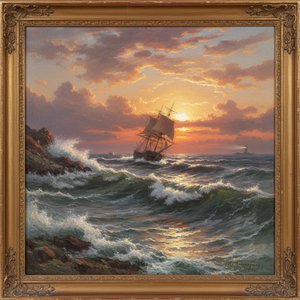
Dominating one hall is a breathtaking panorama by Ivan Aivazovsky, arguably Russia’s most celebrated marine painter—a monumental canvas capturing the turbulent grandeur of the Black Sea during a pivotal moment in Russian history. Approached with reverence, this artwork exemplifies Aivazovsky’s unparalleled mastery of color and composition, transporting viewers to the heart of his artistic vision. The painting's dramatic depiction of stormy seas embodies not only aesthetic beauty but also symbolic resonance—a reflection of Russia’s resilience and determination amidst turbulent times. Its presence elevates the museum’s stature, establishing it as a significant cultural landmark within Russia and beyond.

Beyond Icons: Exploring Diverse Artistic Voices

The Dagestan Museum's collection extends far beyond Aivazovsky’s iconic seascape, encompassing masterpieces from other prominent Russian artists who explored themes of spirituality, social commentary, and national identity. From Vladimir Dmitrievich Polenov’s serene landscapes to Nikolai Ivanovich Yaroshenko’s evocative portraits—each artwork contributes to a rich tapestry of artistic expression. Furthermore, the museum showcases works by M.A. Vrubel and V.A. Serov, artists who captivated audiences with their imaginative visions and masterful technique. These diverse voices underscore the breadth of Russian artistic heritage and enrich the visitor experience. ### A Living Cultural Hub: Exhibitions & Community Engagement The Dagestan Museum of Fine Arts actively engages with its surrounding community through a dynamic program of temporary exhibitions, scholarly lectures, and educational initiatives—a testament to its commitment to fostering dialogue and promoting cultural understanding. These events showcase contemporary art alongside historical treasures, sparking conversations about artistic interpretation and cultural heritage. Moreover, the museum collaborates closely with local schools and organizations, inspiring young minds and nurturing appreciation for the arts among future generations. By prioritizing outreach and engagement, the Dagestan Museum of Fine Arts ensures that its legacy extends beyond its walls—solidifying its position as a vital cultural cornerstone within Makhachkala and the wider North Caucasus region.

Lista de obras de arte

No se encontraron obras de arte.